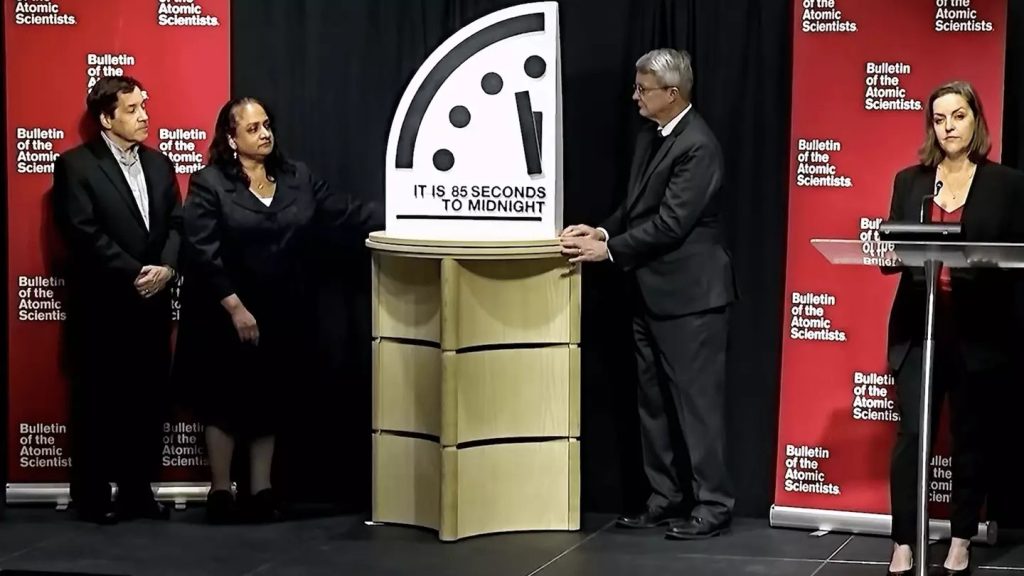
The Doomsday Clock has moved again—and not in the direction anyone wants. In its 2026 update, the symbolic clock now sits at 85 seconds to midnight, the closest humanity has ever been to a self-inflicted global catastrophe. For context, midnight represents the point at which we fail to prevent disaster. Each second shaved off is a warning flare fired by scientists who believe we are running out of room for error.
Just last year, the clock stood at 89 seconds to midnight, already an unprecedented position. The decision to move it forward by four seconds isn’t cosmetic—it’s a signal. A message that the risks facing humanity are no longer abstract or distant. They are immediate, compounding, and dangerously unmanaged.
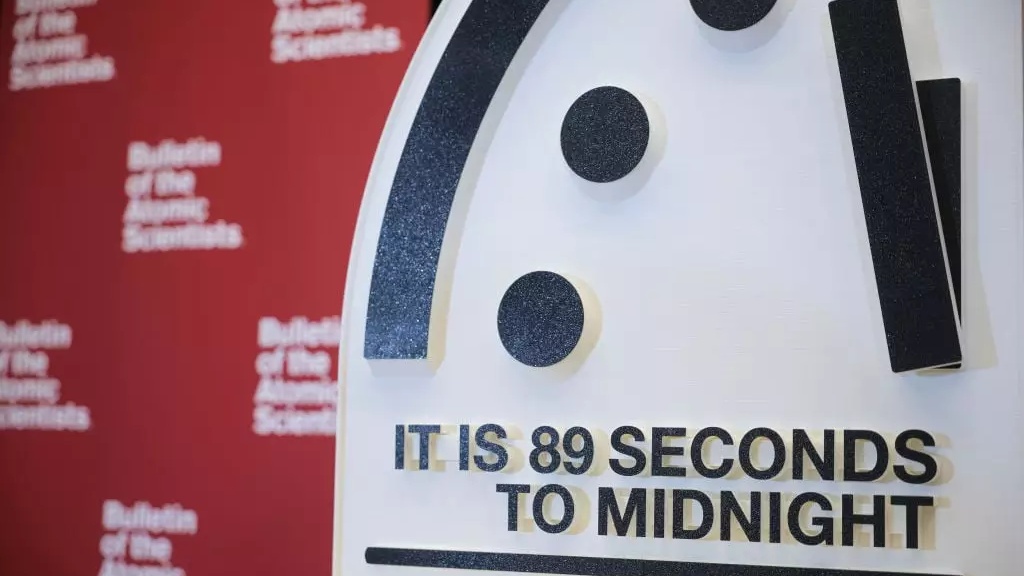
The Doomsday Clock is maintained by the Bulletin of the Atomic Scientists, a group that evaluates global threats ranging from nuclear conflict to climate change and emerging technologies. According to the Bulletin, the past year was “bleak.” Escalating geopolitical tensions, stalled climate action, and the ever-present threat of nuclear escalation all contributed to the decision to push the clock closer to midnight.
This isn’t about predicting the end of the world on a specific date. The clock is a symbol—a stark visual metaphor for how close we are to consequences that could have been avoided. Each adjustment reflects not inevitability, but failure: failure to de-escalate conflicts, failure to cooperate globally, and failure to act decisively when there was still time.
So what exactly is the Doomsday Clock?
It dates back to 1947, when the Bulletin first used a clock on its magazine cover, designed by artist Martyl Langsdorf. The imagery stuck. Over time, the clock became a recurring indicator of how scientists perceived humanity’s proximity to annihilation, initially focused on nuclear war.
The clock has swung dramatically over the decades. In 1953, following the development of hydrogen bombs, it was set at just two minutes to midnight. During the height of the Cold War in 1984, it stood at three minutes. Then came a rare moment of optimism: in 1991, after the Cold War ended and the START treaty was signed, the clock was pushed back to 17 minutes to midnight, the safest point in its history.
That optimism didn’t last.
Since then, the clock has steadily crept forward. In 2020, it hit 100 seconds to midnight, and it has only moved closer since. Today’s 85-second setting reflects a world where existential risks are multiplying faster than our collective will to address them.
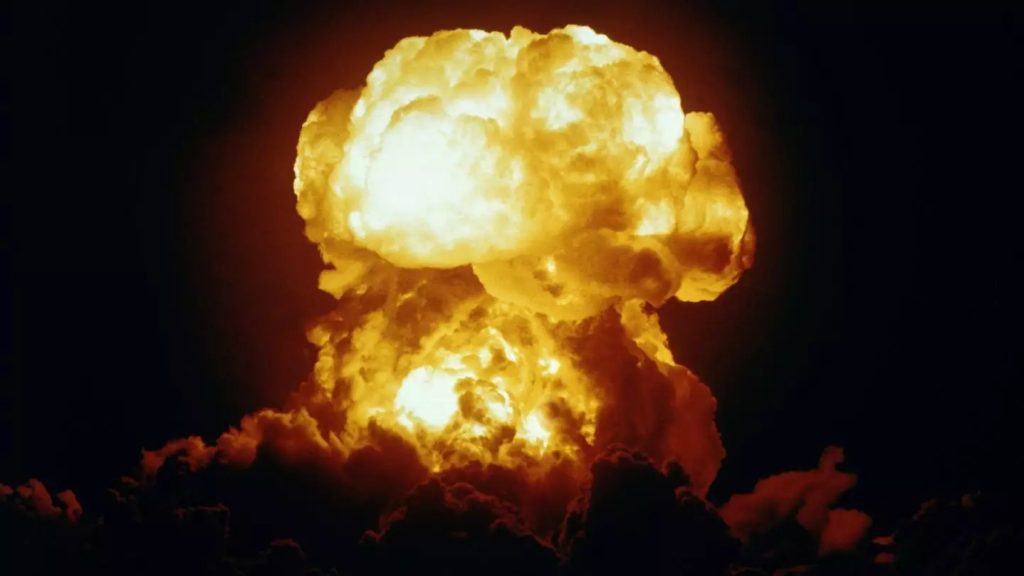
If the clock were ever to strike midnight, it would mean more than destruction—it would represent a preventable failure. Nuclear war, climate collapse, or another man-made catastrophe we saw coming and chose not to stop. The real horror isn’t just the end—it’s knowing a different set of decisions could have changed everything.