
.
The fastest-growing cannabis consumers in America aren’t who you think — and it’s changing everything. 🌿
This shift is happening quietly, right in the suburbs.
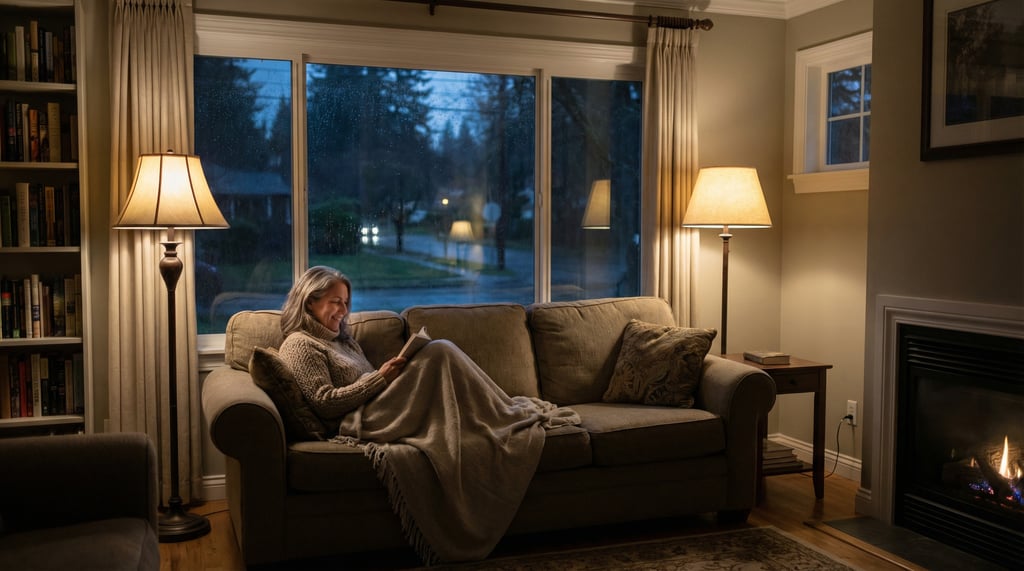
On a warm evening in a quiet American suburb, the house lights are dimmed, the kids are finally asleep, and the day’s noise has settled. Somewhere between unloading the dishwasher and scrolling one last time through Facebook, a woman reaches not for a wine glass — but for a cannabis gummy.
This scene is playing out across the country, mostly unnoticed by lawmakers, media executives, and even the cannabis industry itself.
For decades, marijuana culture in America was framed around rebellion, youth, and counterculture. Tie-dye. College dorms. Grateful Dead parking lots. That image still dominates public perception — but it no longer reflects reality.
The fastest-growing group of cannabis consumers in the United States isn’t Gen Z. It’s not rappers or festival kids. It’s middle-aged Americans. Parents. Professionals. Homeowners. People who once believed cannabis “wasn’t for them.”
This isn’t a trend fueled by hype or hashtags. It’s a quiet cultural shift — one rooted in stress, changing social norms, and a generation rethinking everything they were taught about marijuana.
And it’s reshaping the future of cannabis in ways few expected.
.
How Cannabis Slipped Into the Mainstream
To understand this shift, you have to rewind.
For most of modern American history, cannabis was framed as dangerous, immoral, or irresponsible. Anti-drug campaigns of the 1980s and 1990s didn’t just target use — they targeted identity. Marijuana was something “other people” did.
But legalization changed the frame.
When states began opening regulated cannabis markets, something subtle happened. Dispensaries didn’t look like head shops. Packaging didn’t look rebellious. Products didn’t feel underground. Cannabis began to resemble any other consumer good.
At the same time, alcohol culture began to crack. Wine moms joked about coping. Craft beer lost its novelty. Health conversations shifted. People started questioning habits they once accepted without thought.
Cannabis didn’t replace alcohol overnight. It simply entered the conversation — quietly, politely, and without demanding attention.
And for many Americans over 35, that invitation mattered.
Deep Explanation: Why Older Americans Are Turning to Cannabis
This movement isn’t about getting “high.” It’s about control, choice, and cultural permission.
Middle-aged consumers often describe cannabis not as an escape, but as a tool. A way to mark the end of the day. A signal that work is done. A pause button in an overstimulated world.
Several factors are driving this shift:
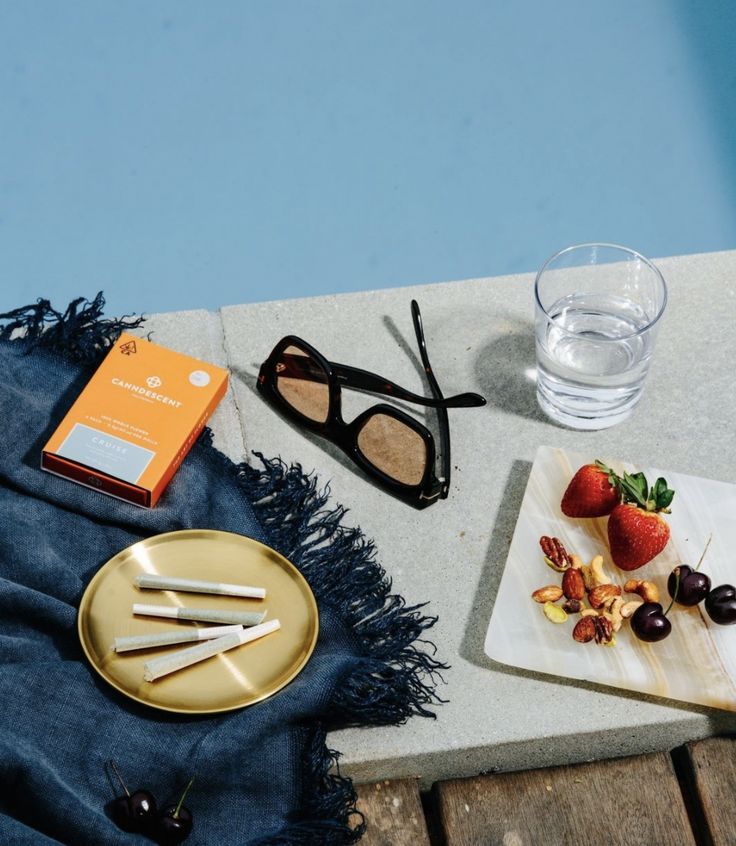
First, discretion. Modern cannabis products don’t smell like smoke or broadcast use. Gummies, beverages, and low-dose edibles fit seamlessly into daily routines.
Second, predictability. Regulated markets provide consistency. People know what they’re buying, how much they’re taking, and how it fits into their lives.
Third, cultural safety. Legalization removed the fear — not just of arrest, but of judgment. Using cannabis no longer means aligning with a subculture. It means making a personal choice.
Finally, life pressure. Careers peak. Parenting intensifies. Aging parents need care. The stress doesn’t disappear — it compounds. Many adults are reevaluating how they decompress.
Cannabis, for them, isn’t rebellion. It’s recalibration.
.
.
Real-World Impact: How This Shift Is Changing the Industry
This demographic shift is already reshaping cannabis markets.
Brands that once chased high THC percentages are now emphasizing balance, flavor, and experience. Packaging is cleaner. Language is softer. The aesthetic feels more like wellness than rebellion.
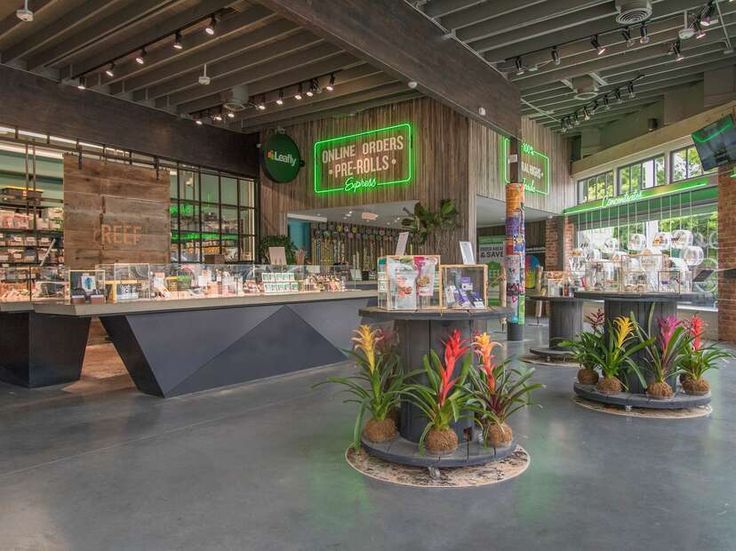
Dispensaries are adjusting too. Staff training focuses less on slang and more on listening. Stores feel calmer. Less intimidating. More like boutique retail than underground exchange.
Even product innovation reflects this change:
- Microdosed edibles
- Cannabis-infused beverages
- Products designed for evenings, not parties
- Emphasis on routine rather than intensity
Politically, this shift matters. When cannabis users look like PTA members, small business owners, and suburban voters, the conversation changes. Normalization doesn’t happen through headlines — it happens through familiarity.
And America is becoming very familiar with cannabis.
Myth, Contrast, or Controversy: The Image Problem Cannabis Still Has
Despite these changes, public perception lags behind reality.
Media still portrays cannabis users as young, careless, or unserious. Policy debates often ignore responsible adult consumers entirely. Even within cannabis culture, older users are sometimes invisible.
There’s also tension inside the industry.
Legacy consumers worry cannabis is becoming too sanitized. Too corporate. Too polite. Meanwhile, new consumers feel alienated by outdated stereotypes and language that doesn’t reflect their lives.
The truth sits somewhere in between.
Cannabis can be cultural without being chaotic. It can be meaningful without being performative. The plant doesn’t belong to one generation — but the stories told about it often do.
That gap between image and reality is where misunderstanding thrives.
Is cannabis replacing alcohol for older adults?
Not entirely. For many, it’s an alternative — not a substitute — used on different occasions.
Why don’t we hear more about this demographic?
Because it’s not flashy. Quiet cultural shifts rarely go viral, but they last longer.
Are dispensaries actually changing for older customers?
Yes. Retail design, staff training, and product selection increasingly reflect this audience.
Does this mean cannabis culture is becoming boring?
Or it’s becoming broader. Cultural maturity doesn’t erase creativity — it expands it.