
Oracle co-founder Larry Ellison is no stranger to controversy, wealth, or luxury such as yachts. But one of the most surprising stories attached to the billionaire tech titan has nothing to do with software, acquisitions, or boardroom drama. Instead, it involves a luxury yacht, an ancient Japanese deity, and an unfortunate linguistic coincidence that forced Ellison to make a swift decision.
Ellison, now 81, co-founded Oracle in 1977 and went on to become one of the most powerful figures in Silicon Valley. As of early 2026, he ranks just a few places below Elon Musk on Forbes’ real-time billionaire list, with an estimated net worth of over $240 billion. Yet even with immense resources at his disposal, one naming choice in the late 1990s proved too problematic to ignore.

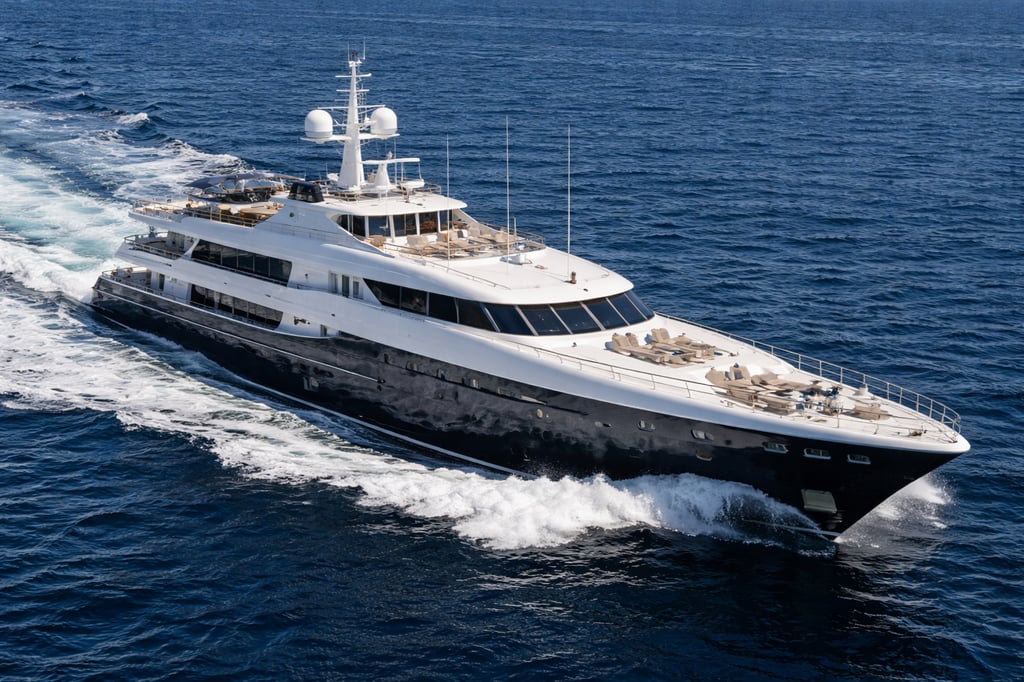
Back in 1999, as Oracle’s success soared, Ellison purchased a 191-foot, German-built superyacht. He named it Izanami, after Izanami-no-Mikoto, a prominent female deity in Shinto mythology. In Japanese legend, Izanami, alongside her male counterpart Izanagi, is said to have given birth to the islands of Japan. The name translates loosely as “she who invites” or “the female who invites,” a reference Ellison reportedly found poetic and culturally meaningful.
Ellison later explained the inspiration in Softwar, a 2013 biography written by Matthew Symonds. Despite being Jewish by heritage, Ellison had long held an interest in Japanese culture and mythology, which made the name feel appropriate at the time. Unfortunately, what seemed thoughtful and symbolic soon became a public relations headache.
The problem emerged when local media outlets noticed that “Izanami,” when read backward in English, spells out the phrase “I’m a Nazi.” Once the realization surfaced, the story quickly gained attention, particularly given Ellison’s background and the sensitivity of the phrase. What was intended as a mythological reference suddenly took on an entirely unintended and offensive interpretation.
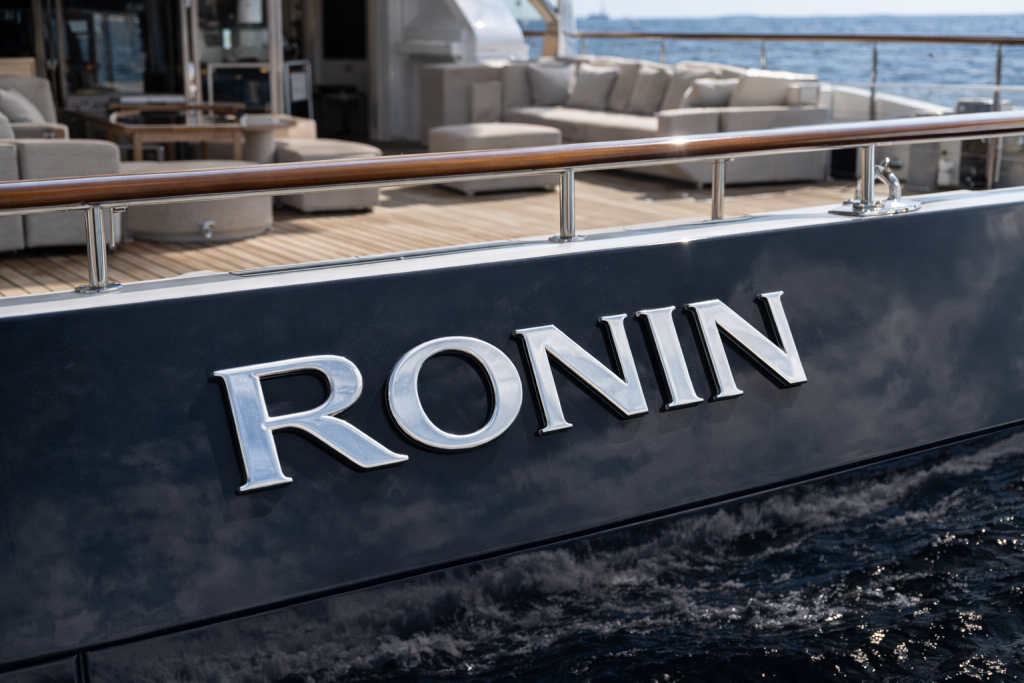
Ellison later recounted that he was faced with two options: either educate reporters on Shinto theology or change the yacht’s name altogether. Unsurprisingly, he chose the latter. The vessel was promptly renamed Ronin, a term referring to masterless samurai in Japanese history. The yacht was eventually sold, with reports indicating it later came into the ownership of Italian pharmaceutical executive Alessandro Del Bono.
Although the incident occurred decades ago, it has resurfaced in public conversation following a recent profile by New York Magazine focusing on Ellison’s son, David Ellison. David, now 43, serves as chair and CEO of the Paramount–Skydance Corporation and has established himself as a major force in the entertainment industry.
According to Celebrity Net Worth, David Ellison’s personal fortune is estimated at around $500 million, largely built through film production, media investments, and executive leadership. His rise has reignited interest in Larry Ellison’s approach to wealth, parenting, and legacy.
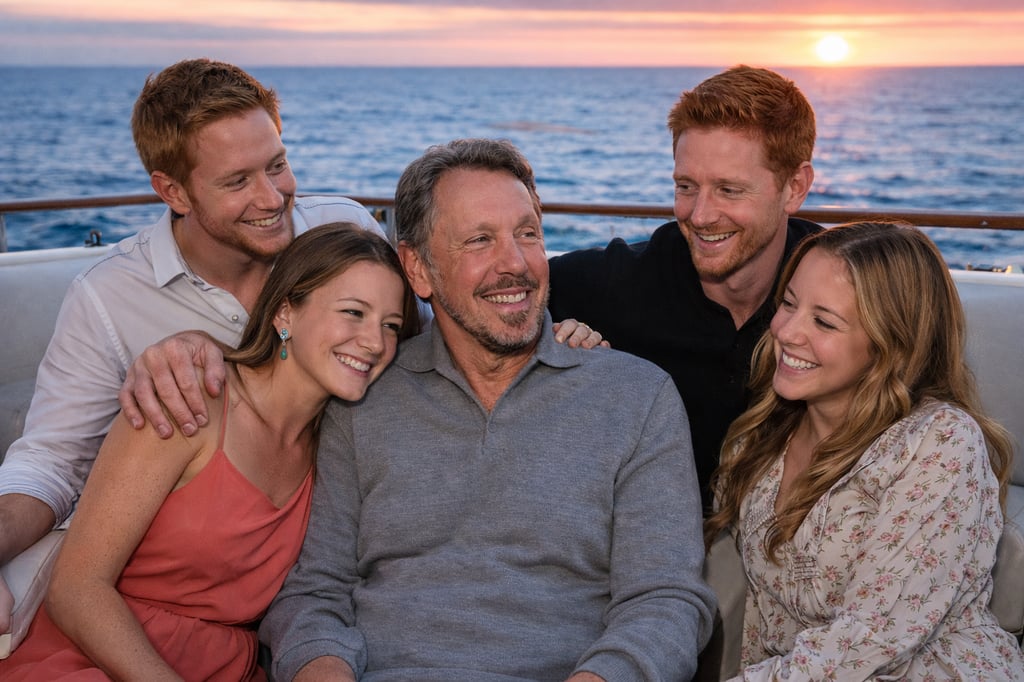
Ellison has long been open about how becoming a father reshaped his outlook on life. In Softwar, he described how parenthood made him more emotionally aware and considerate, not only toward his children but in his broader relationships as well. He also expressed a belief that children of extreme wealth should be exposed early to both the advantages and responsibilities that come with it.
Symonds noted that Ellison preferred his children to learn how to manage wealth while they were still young enough to accept guidance. Ellison himself likened the process to introducing alcohol responsibly at home rather than leaving children to discover it recklessly later in life.

Speaking at Bloomberg’s Screentime media conference in Hollywood, David Ellison addressed his relationship with his father, describing Larry as a “phenomenal” mentor. While acknowledging that his father remains deeply involved and hands-on, David emphasized that their relationship is strong and collaborative.
In the end, the yacht-renaming saga stands as a rare example of how even the world’s richest individuals can fall victim to simple oversights, and how cultural context, language, and public perception can turn a luxury symbol into a liability overnight.