
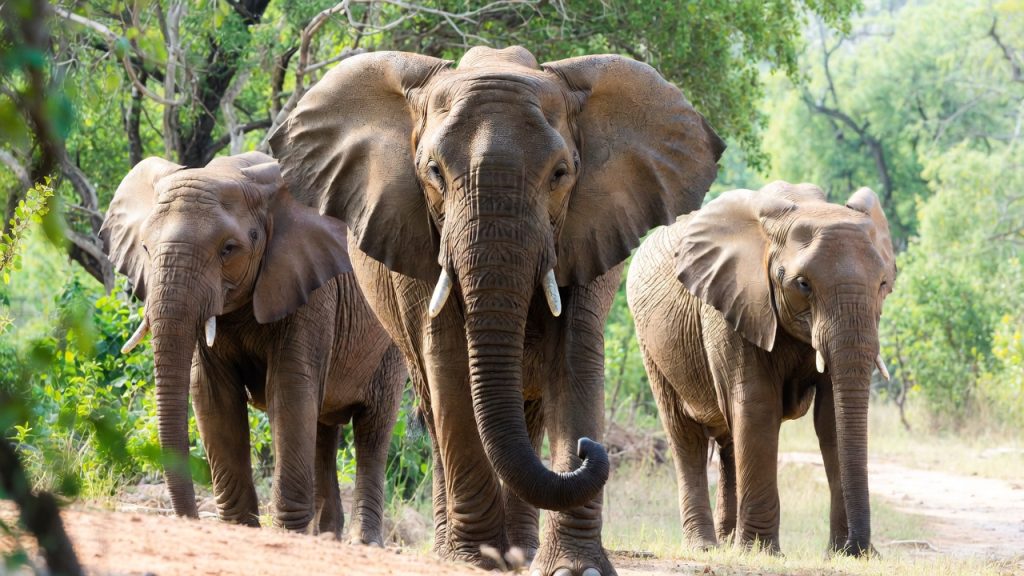
A deadly wild elephant has been terrorizing parts of eastern India, leaving fear, destruction, and death in its wake after killing more than 20 people in just over a week. The rampage began on New Year’s Day and has since forced entire communities to flee their homes, sleep on rooftops, and hide in trees as the animal continues to evade capture.
The single-tusked bull elephant has been moving rapidly across villages in the states of Jharkhand and neighbouring regions, attacking without warning. Locals describe scenes of chaos as the massive animal smashes through walls, charges at homes, and tramples anyone in its path, turning once-quiet villages into zones of panic.
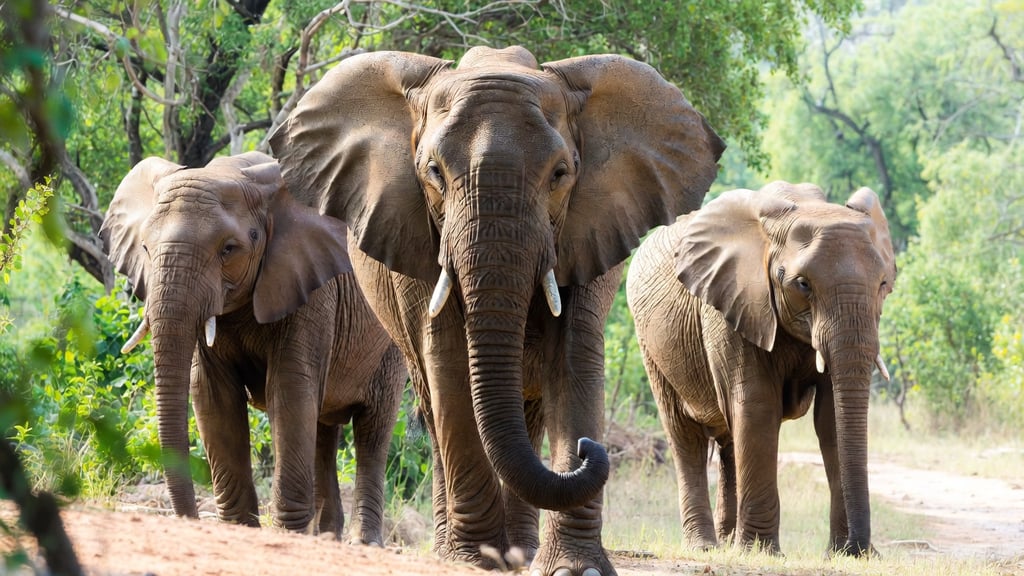
The first reported attack occurred on 1 January in Bandijhari, a village in Jharkhand’s West Singhbhum district. A 35-year-old man was killed after crossing paths with the elephant, marking the beginning of what would become one of the deadliest elephant-human conflicts in recent years. At the time, residents believed the encounter was an isolated incident.
However, the violence escalated rapidly. On 5 January, the elephant attacked a single household in the town of Sowan, killing five members of the same family. Just one day later, the animal struck again in Babaria, where another five people were killed, including a married couple and their two children. By the end of the week, the death toll had climbed to nearly two dozen, with at least 15 others injured.

According to reports, the elephant has been covering distances of up to 18 miles per day, making it extremely difficult for authorities to predict its movements. Three separate attempts to tranquilise the animal have failed, with darting efforts only increasing its agitation. Each failed operation forced officials to retreat, fearing the elephant would retaliate by charging into nearby crowds that had gathered to watch.
Wildlife experts believe the bull is currently in a state known as musth—a natural but dangerous condition in male elephants marked by a surge in testosterone. During musth, elephants often become unusually aggressive, restless, and unpredictable. The condition can last for weeks or even months, during which affected animals may attack humans, vehicles, or structures without provocation.

Villages along the elephant’s path have been placed on high alert. Many residents have stopped sleeping indoors altogether, choosing instead to stay awake through the night or rest on rooftops where they can hear approaching footsteps or the sound of walls collapsing. Others keep constant watch, ready to flee at the slightest sign of danger.
In response, more than 300 forest and wildlife personnel have been deployed in a large-scale operation to track and contain the elephant. Authorities are using drones, GPS tracking, tranquiliser units, and monitoring teams to follow its movements. Despite the advanced technology, the animal has so far managed to stay ahead of capture efforts.
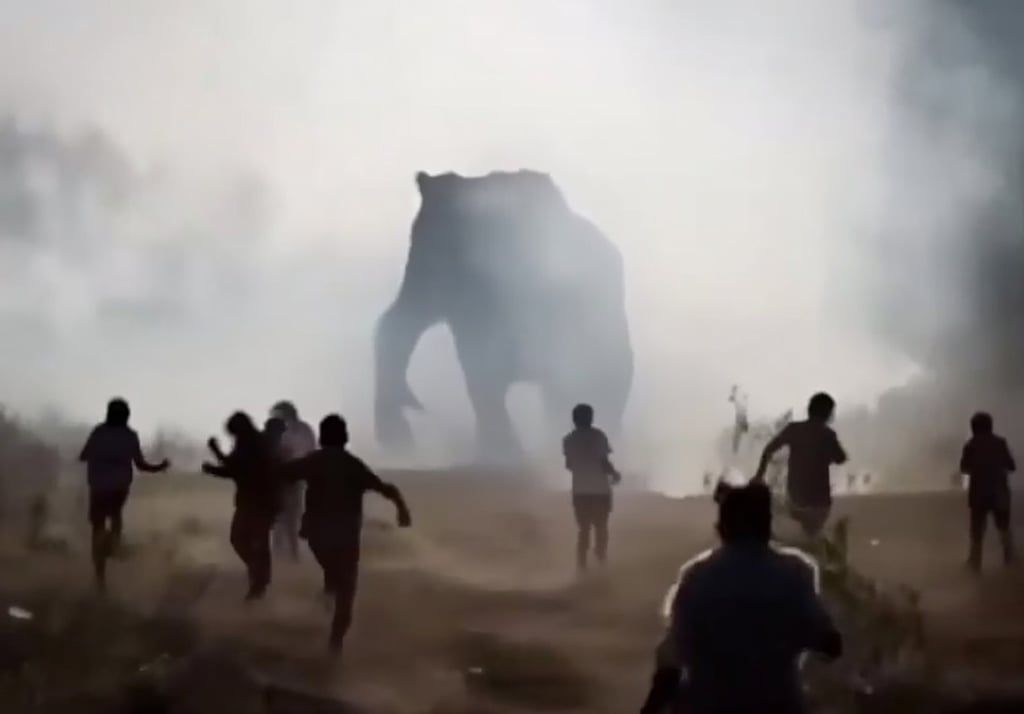
Officials say operations have repeatedly been suspended due to the risk of civilian casualties. Each time the elephant becomes distressed, it grows more aggressive, increasing the likelihood of further attacks if intervention continues near populated areas.
This tragic episode highlights a growing crisis across India. Conservationists warn that shrinking forest habitats and expanding human settlements are forcing elephants into closer contact with people. As natural migration routes disappear, encounters like this are becoming more frequent—and more deadly.
Between 2023 and 2024 alone, at least 629 people were killed in elephant-related incidents across India. Over the past five years, the figure has exceeded 2,800 deaths, underscoring the urgent need for better wildlife management, habitat protection, and early-warning systems to prevent future disasters.