There’s a certain kind of silence that follows a public apology — the kind where everyone’s wondering the same thing but nobody’s asking it out loud. Is this real? Is this growth? Or is this just another rollout with better packaging?
That’s the space Kanye West finds himself in again.
This week, the conversation reignited after Ye — formerly known as Kanye West — took out a Wall Street Journal ad addressed to “Those I’ve Hurt,” an apology aimed at repairing the damage from his antisemitic comments and other alarming behavior over the past few years. Predictably, reactions were mixed. Some people felt moved. Others felt manipulated. And plenty of folks didn’t know what to feel at all.
Enter Aloe Blacc.
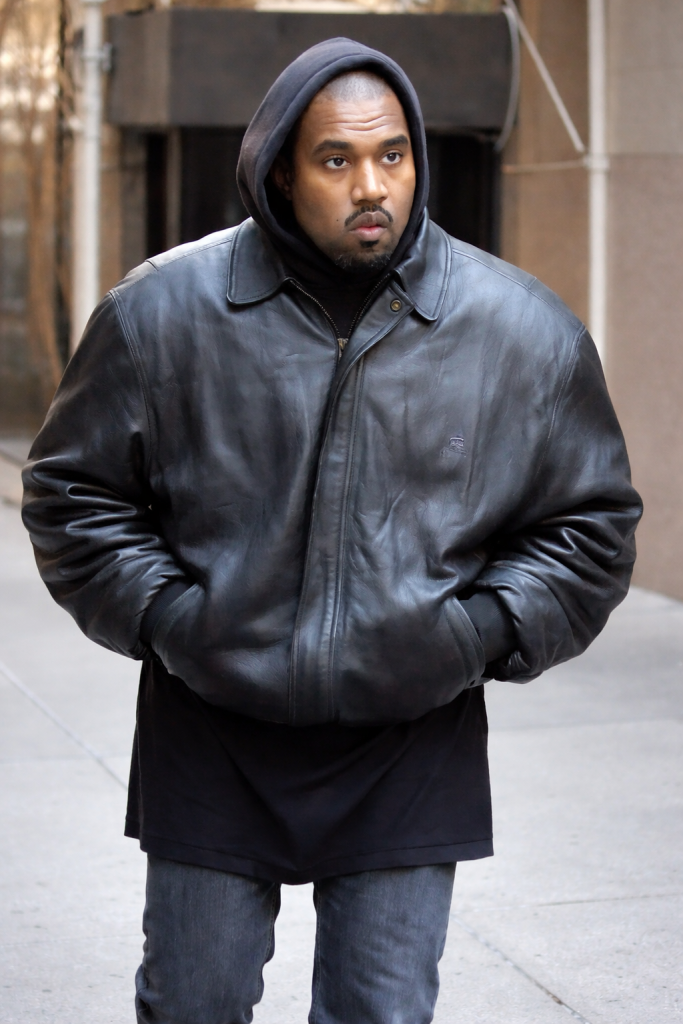
When we caught up with the singer-songwriter in New York City, bundled up against the brutal winter cold, his response was anything but cold. Calm. Grounded. Almost disarming in its simplicity. While the internet debated motives and timing, Aloe zoomed out and spoke about something bigger than optics.
“I think anytime anybody can show unconditional love and growth is a good time,” he said.
That one sentence cuts through a lot of noise.
Because let’s be honest — when it comes to Kanye, context is everything. This is an artist whose brilliance and self-destruction have always existed side by side. A man capable of reshaping music and fashion while simultaneously alienating fans, collaborators, and entire communities. So when an apology arrives, especially with an album rumored to be on the way, skepticism isn’t just understandable — it’s earned.
Plenty of critics were quick to point out the timing. A full-page Wall Street Journal ad isn’t cheap. Dropping one right before new music raises eyebrows. To some, it felt less like repentance and more like strategy — a calculated move to soften public opinion ahead of a release.
Aloe Blacc doesn’t ignore that reality. But he doesn’t let it define the moment either.
He made it clear that for him, forgiveness doesn’t come with fine print.
“I support unconditional love for everybody in the world all the time, no matter who and whatever transgressions,” he said. “Forgiveness is number one.”
That’s a hard stance in a culture built on receipts, screenshots, and permanent judgment. We live in an era where apologies are dissected like legal documents and people are frozen forever at their worst moment. Aloe’s perspective pushes back on that — not by excusing harm, but by refusing to believe that growth has an expiration date.
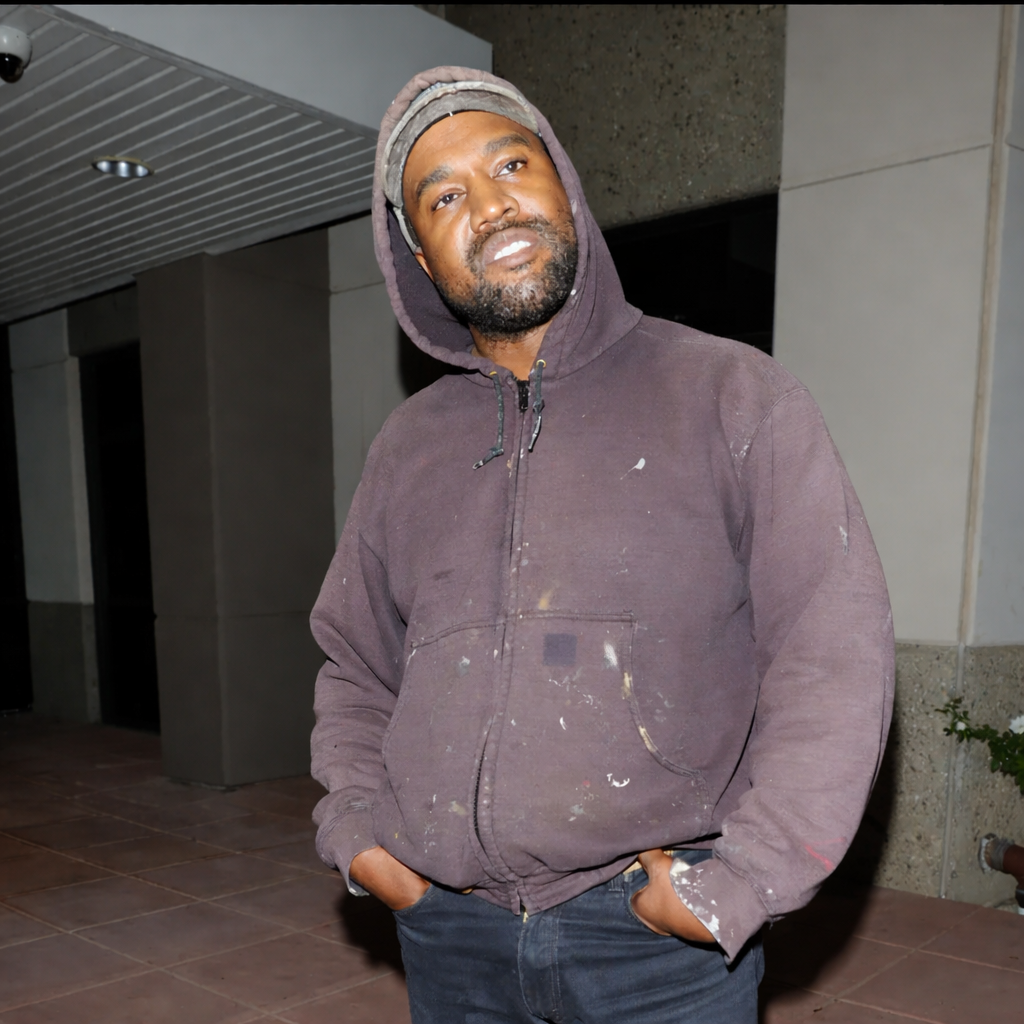
As he put it, “We are all God’s children. We have to forgive and love everybody all the time, no matter what.”
It’s a deeply spiritual take, and not one everyone will agree with. For many people — especially those directly affected by Kanye’s words — forgiveness isn’t abstract. It’s personal. It’s painful. And it’s not something that can be demanded or rushed.
To his credit, Kanye hasn’t framed his apology as a marketing move. In a recent interview with Vanity Fair, Ye insisted his remorse is genuine. He said his behavior “went too far” and that it weighed heavily on his heart. According to him, the apology wasn’t about saving his career — it was about conscience.
Whether people believe that is another story.
Kanye’s history makes trust complicated. He’s apologized before. He’s also doubled down before. Growth, in his case, has often been followed by regression. That’s why many fans and observers are choosing caution over celebration.
And that’s fair.
But Aloe Blacc’s words remind us of something important: growth doesn’t have to arrive perfectly packaged to be real. Sometimes it’s messy. Sometimes it’s late. Sometimes it shows up when the world least expects it — or least wants it.
That doesn’t mean everyone has to accept the apology. Forgiveness is personal, not mandatory. Accountability still matters. Actions still matter more than words. And time, as always, will be the ultimate judge.
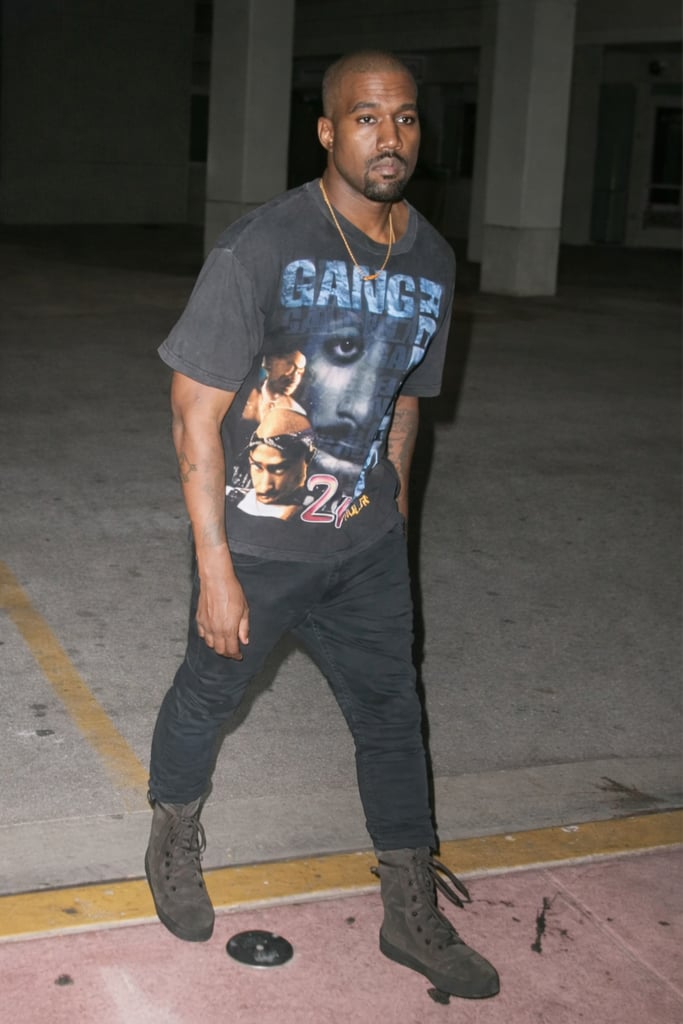
But in a moment dominated by cynicism, Aloe’s response offers a counterweight — not blind faith, but open-hearted possibility. The idea that people can change. That remorse can coexist with consequences. That healing, when it happens, doesn’t follow a press schedule.
For now, Kanye says he’s sorry. Aloe says growth is always welcome. The rest of us are left watching, waiting, and deciding what forgiveness looks like for ourselves.
Because in the end, apologies don’t end conversations — they start them. And whether this one leads to real transformation or just another chapter in a complicated legacy… only time will tell.