
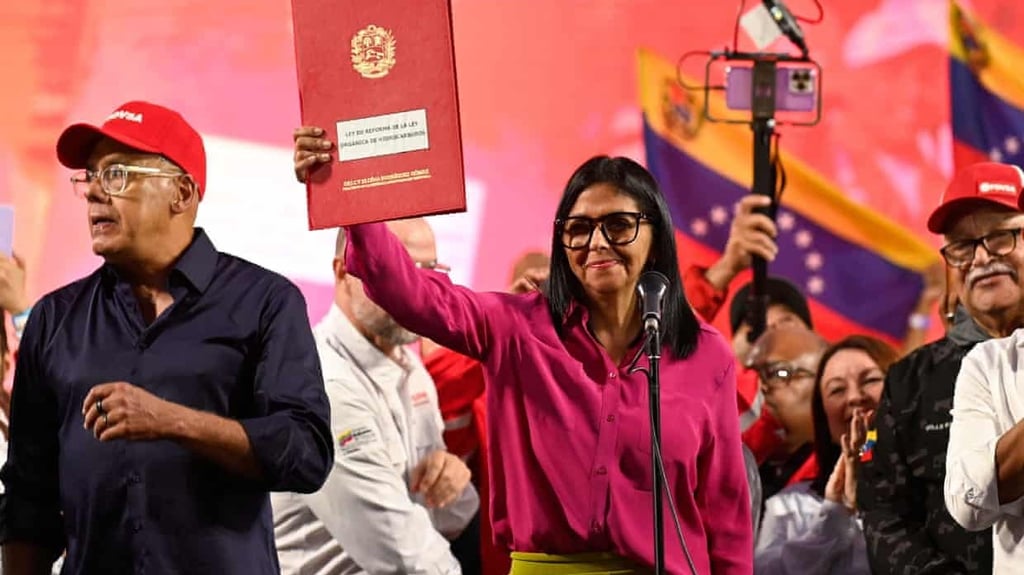
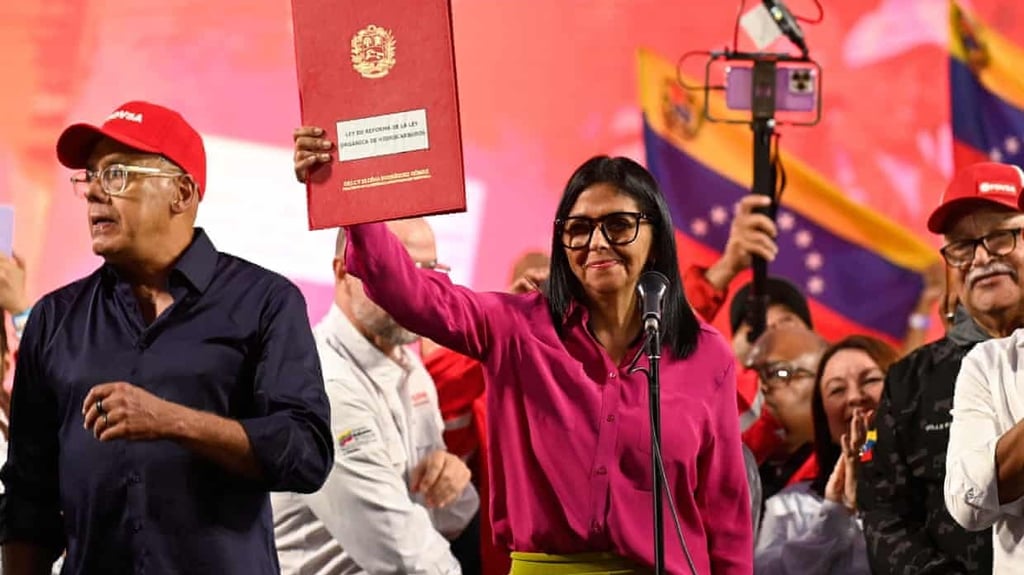
Venezuela’s acting president, Delcy Rodríguez, has signed into law a new hydrocarbons bill that introduces sweeping changes to the country’s oil sector, following sustained pressure from the United States to open it up to foreign private investment. The reform is being framed by the government as a turning point for an industry battered by decades of mismanagement, sanctions and political turmoil.
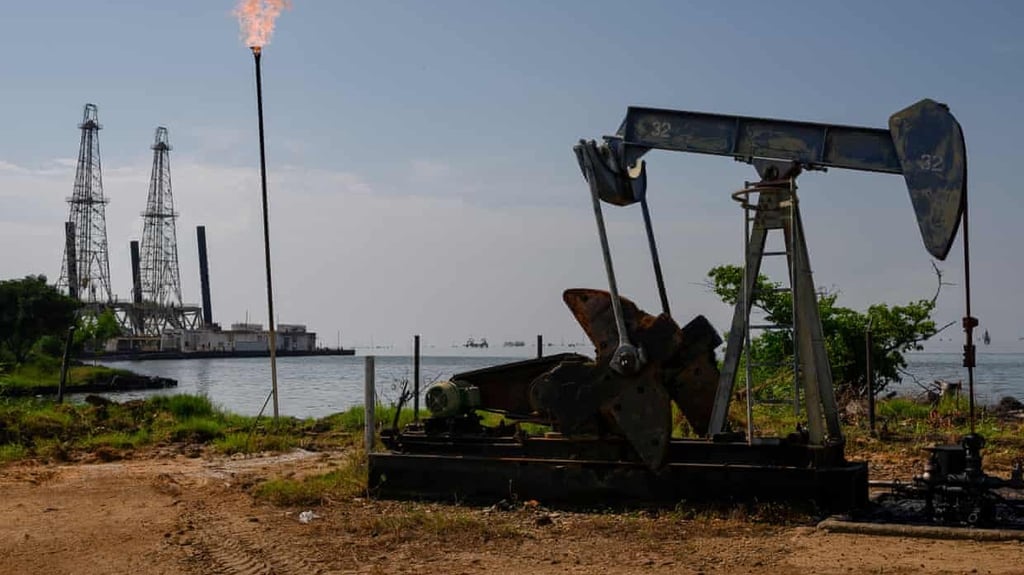
The new law allows private companies greater control over oil production and sales, eases tax and royalty burdens, and permits disputes to be settled through independent international arbitration. While the state formally retains ownership and oversight of oil resources, the legislation significantly loosens PDVSA’s operational grip, especially in joint ventures with foreign partners.
However, analysts have urged caution. They argue that although the reforms are directionally positive, the law lacks clarity and leaves too much discretionary power in the hands of the executive. As a result, it may fall short of the deep structural overhaul Washington and international investors believe is necessary to revive Venezuela’s once-dominant oil industry.
Speaking shortly after the bill’s approval, Rodríguez framed the reform in generational terms. “We’re talking about the future. We are talking about the country that we are going to give to our children,” she said. Her brother, Jorge Rodríguez, who leads the National Assembly, also welcomed the move, declaring that the law marked the beginning of “good things” after years of national suffering.
The law’s passage coincided with a phone call between Rodríguez and former US president Donald Trump, who revealed the conversation during his cabinet’s first meeting of the year. Trump said the US was preparing to reopen Venezuela’s commercial airspace, which had been effectively shut after Washington declared it closed while escalating pressure on Nicolás Maduro.
Trump also claimed that major US oil companies were already conducting site assessments in Venezuela. According to him, they were “scouting it out and picking their locations,” with the promise of generating “tremendous wealth for Venezuela and for the United States.”
Alongside the legal reforms, Washington has eased some sanctions. The US Treasury issued a general licence allowing transactions involving PDVSA and the Venezuelan regime. At the same time, the US has taken control of Venezuela’s oil exports and revenues following a naval blockade and a military operation that resulted in Maduro’s capture earlier this month.
The hydrocarbons law was fast-tracked through the regime-loyal National Assembly, undergoing a brief “public consultation” before being unanimously approved. Under the new framework, private firms can directly manage technical and operational aspects of oil projects, even as minority partners. Royalties, previously set at 30%, may now be reduced to zero in certain cases.
David Vera, an associate dean at the Craig School of Business in the US, described the law as “necessary and overall a positive step,” but warned it still falls short of what large oil companies need to commit capital at scale. Legal scholar José Ignacio Hernández echoed this view, saying the reforms improve contractual stability but fail to address the deeper causes of sectoral collapse.
Despite holding the world’s largest proven oil reserves, Venezuela now produces less than 1% of global output. Production has plunged from 3.4 million barrels per day to around 1 million, following years of corruption, mismanagement and sanctions. Experts argue that without a democratic transition and genuine political legitimacy, any reform may prove temporary. As Hernández warned bluntly: “It will be, I fear, a short-lived law.”