
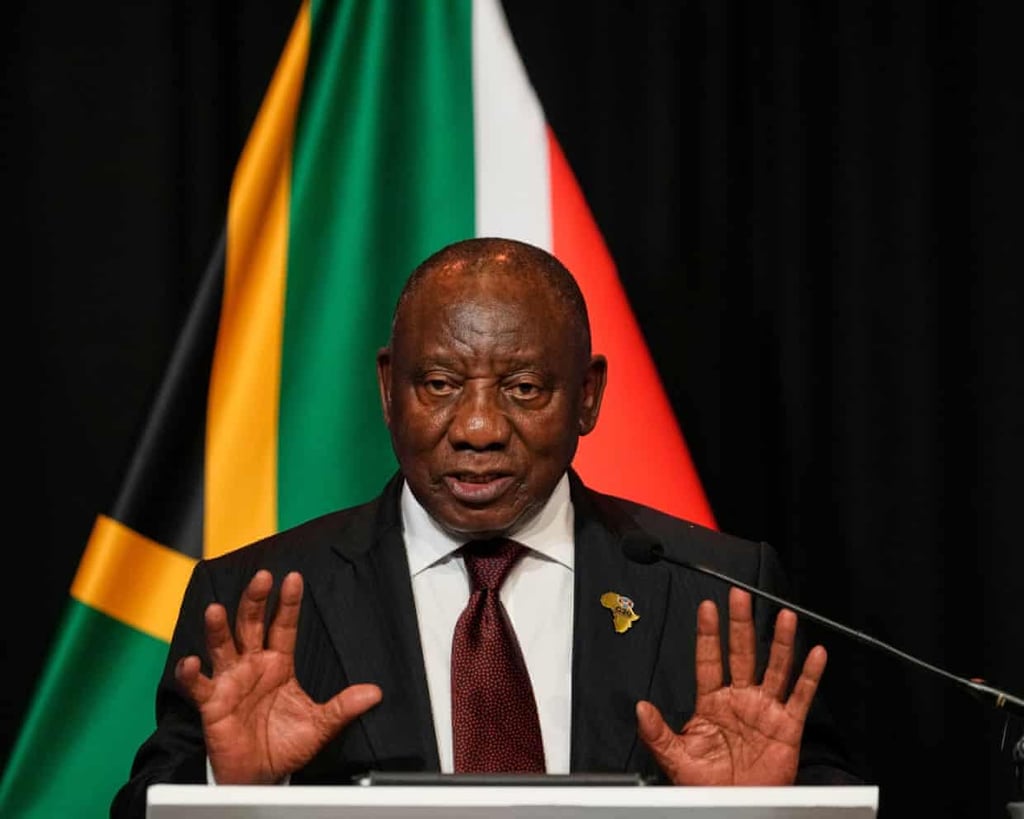
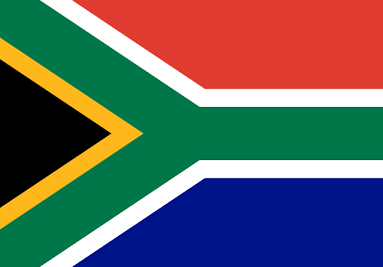
South Africa has ordered Israel’s most senior diplomat in the country to leave within 72 hours, sharply escalating tensions between Pretoria and Tel Aviv amid an already strained relationship over the war in Gaza. The move follows what South African authorities described as “insulting attacks” on President Cyril Ramaphosa and a sustained “abuse of diplomatic privilege”.
Ariel Seidman, Israel’s chargé d’affaires at the embassy in Pretoria, was declared persona non grata on Friday by South Africa’s department of international relations and cooperation (DIRCO). In a statement published on its website, DIRCO said the decision was taken after repeated violations of diplomatic norms that it said directly challenged South Africa’s sovereignty. Israel’s embassy did not immediately respond to requests for comment.
“These violations include the repeated use of official Israeli social media platforms to launch insulting attacks against His Excellency President Cyril Ramaphosa, and a deliberate failure to inform DIRCO of purported visits by senior Israeli officials,” the department said, adding that the conduct was unacceptable under international diplomatic practice.
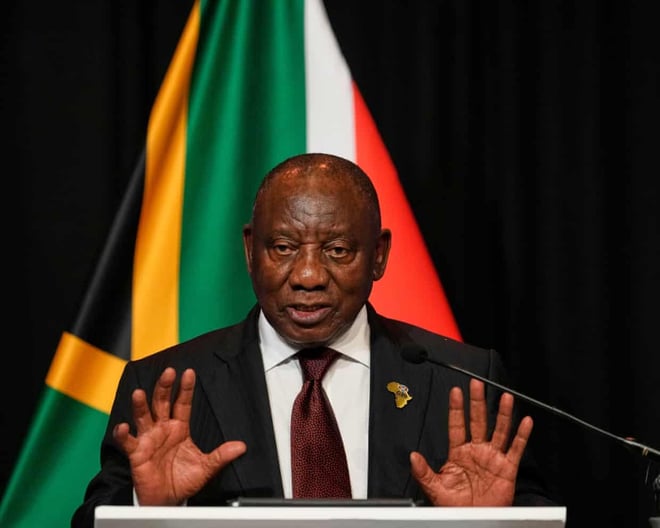
Relations between South Africa and Israel have deteriorated sharply since December 2023, when Pretoria filed a case at the international court of justice accusing Israel of committing genocide against Palestinians in Gaza. The case marked one of the most significant diplomatic interventions by South Africa on the global stage in recent years.
In January 2024, the ICJ ruled that South Africa’s claim of genocide was “plausible” and issued provisional measures ordering Israel to prevent acts that could fall under the Genocide Convention. While the case remains ongoing, legal experts say a final judgment is unlikely before 2027. Israel has consistently rejected the accusations, describing them as “outrageous and false”.
South Africa’s support for the Palestinian cause is deeply rooted in its own history. The government has long drawn parallels between Israel’s occupation of Palestinian territories and South Africa’s former apartheid system — a comparison Israel strongly disputes. Nelson Mandela famously embraced Palestinian leader Yasser Arafat after his release from prison in 1990 and later declared that South Africa’s freedom was incomplete without Palestinian freedom.
Tensions have increasingly played out online. Israel’s embassy in Pretoria has repeatedly criticized the South African government on social media, accusing it of wasting public funds on the ICJ case. In a November post on X, the embassy claimed Pretoria had spent R100m attacking Israel at the court, with hundreds of millions more to follow, calling the case “100% political theatre”.
South African officials were particularly angered this week by revelations that Israeli diplomats had met the Thembu king, Buyelekhaya Dalindyebo, in the Eastern Cape without informing the government. The meeting reportedly focused on Israel offering agricultural, water and health assistance. Dalindyebo, who is openly pro-Israel, visited the country in December and was received by Israel’s foreign minister, Gideon Sa’ar.
Eastern Cape premier Lubabalo Oscar Mabuyane condemned the engagement, saying it amounted to an attempt by Israel to undermine South Africa’s authority over its international relations. DIRCO said the incident represented a “gross abuse of diplomatic privilege” and a clear breach of the Vienna Convention.
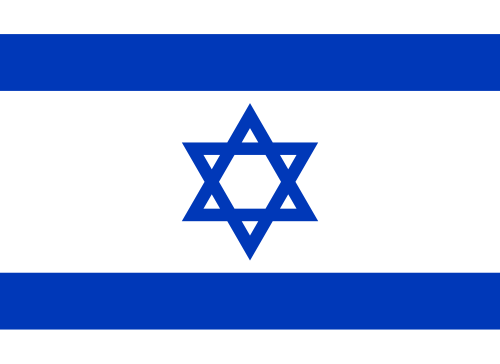
Israel’s embassy later posted videos on social media showing Dalindyebo welcoming the proposed aid, claiming South African media had ignored them. Mandela himself was part of the Thembu clan, whose historic kingdom today is home to more than 400,000 people — a symbolic reminder of how deeply history, diplomacy and politics remain intertwined in South Africa’s stance on Israel.