
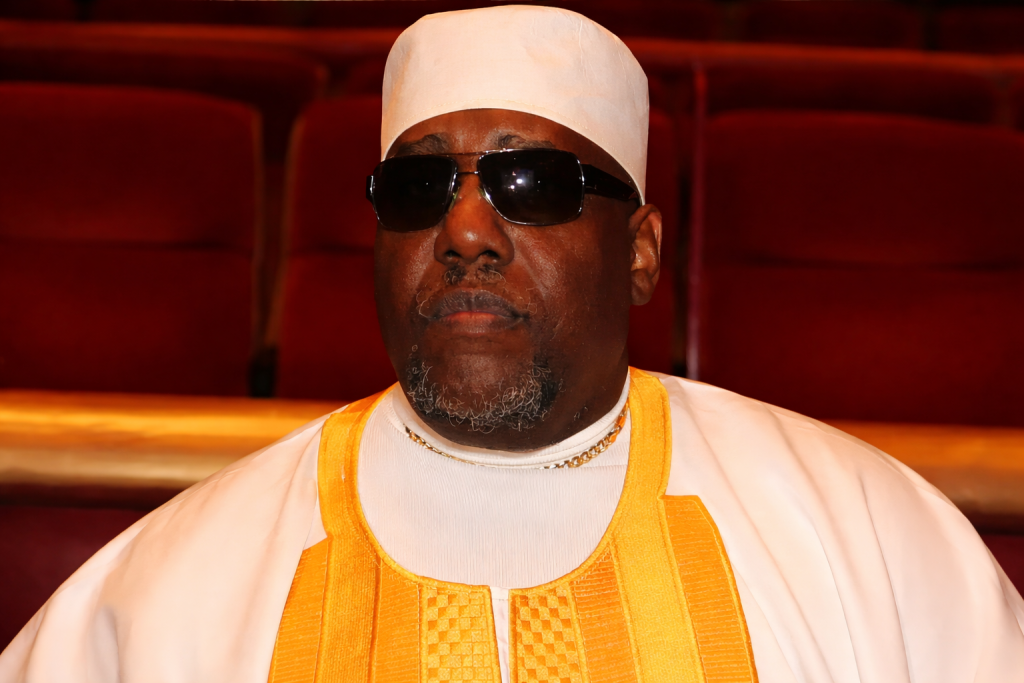
Before viral freestyles.
Before rap beefs lived on Instagram.
Before chains looked like small mortgages.
There was Kool Moe Dee — one of the sharpest pens, cleanest deliveries, and most influential voices in early hip-hop. And if you were outside in the ‘80s? You definitely knew the name.
Born Mohandas Dewese, Kool Moe Dee didn’t just make songs — he helped define what lyrical skill, stage presence, and battle rap culture even looked like during hip-hop’s formative years. Long before the genre became a global empire, he was already setting standards.
And yes — he’s a Grammy winner, too.
🎤 The Era When Bars Actually Meant Something
Kool Moe Dee rose to fame in the 1980s, when hip-hop wasn’t yet the industry giant it is today. This was the era of park jams, turntables, block parties, and live mic skills. No auto-tune safety net. No ghostwriters hiding in the credits. If you stepped up, you had to rap for real.
And Moe Dee? He came with precision.
Tracks like “I Go To Work,” “Wild Wild West,” and “How Ya Like Me Now” weren’t just songs — they were lyrical showcases. He had clarity, confidence, and punchlines that cut through speakers. His delivery was clean but aggressive, polished but powerful. He made technical rapping cool without losing swagger.
Back then, style mattered — but skill mattered more. And Kool Moe Dee had both.
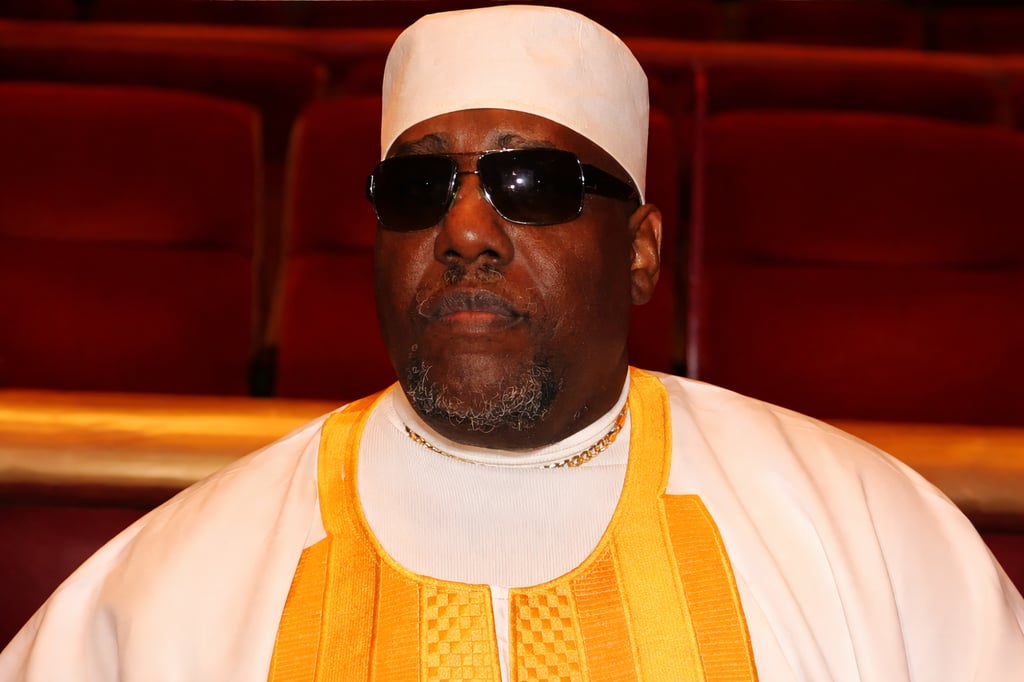
🧠 One of Hip-Hop’s First “Intellectual” MCs
What set Moe Dee apart wasn’t just his voice or his flow — it was his mindset. He brought a sharp, almost academic approach to rap. He thought about structure, rhyme patterns, cadence, and performance like it was a science.
He wasn’t just rhyming for vibes. He was crafting.
That approach helped shape battle rap culture, too. His legendary face-off with Busy Bee Starski in the early days of hip-hop is still talked about as one of the moments that shifted rap battles from party chants to lyrical warfare. Instead of crowd-pleasing slogans, Moe Dee came with pointed lines, direct attacks, and clever wordplay.
That moment helped change the direction of hip-hop. Suddenly, being an MC meant more than rocking a crowd — it meant proving you could out-rap the next person.
🏆 Yes, There’s Hardware to Prove It
While many pioneers don’t get their flowers in real time, Kool Moe Dee did collect some official recognition. He snagged a Grammy Award in 1991, locking in his place not just as a respected lyricist, but as an artist whose impact crossed into mainstream acknowledgment.
That win was more than a trophy — it symbolized hip-hop’s growing legitimacy in spaces that once overlooked the culture. Artists like Moe Dee helped push rap from underground movement to award-show stage.
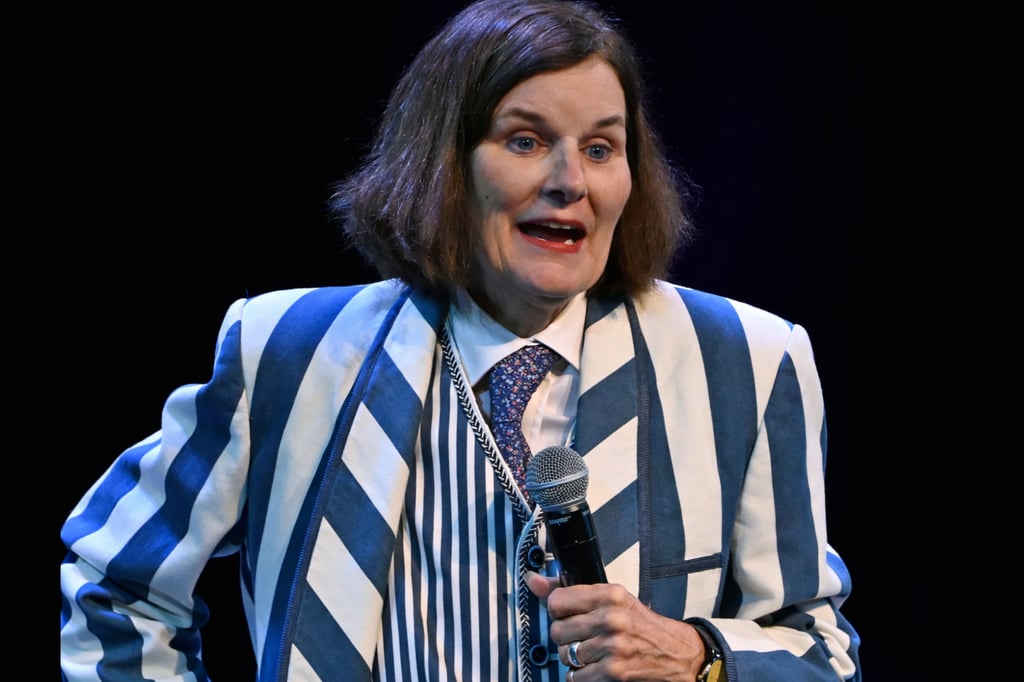
👔 The Image That Stood Out
Let’s talk about the look, too.
While a lot of rappers leaned fully into streetwear aesthetics, Kool Moe Dee often appeared polished — sharp outfits, clean presentation, confident posture. He carried himself like someone who knew he was representing more than just himself. He was representing a culture still fighting for respect.
That balance between street credibility and refined presence made him stand out visually just as much as lyrically.
🔥 His Influence Still Echoes
Even if younger fans don’t immediately recognize the name, they’ve felt the impact. The idea that an MC should be able to command a stage, deliver crisp bars, and hold their own in a lyrical face-off? That blueprint traces back to artists like Kool Moe Dee.
Battle rap leagues. Freestyle competitions. Diss tracks with actual wordplay instead of just noise. All of that DNA lives in the foundation he helped build.
Hip-hop didn’t start with streaming numbers — it started with voices like his.
👀 So What Does He Look Like Now?
Time moves. Styles change. Generations rotate.
But seeing Kool Moe Dee today is like looking at a living piece of hip-hop history. He’s not just “that guy from an old song” — he’s part of the architecture of the genre. A reminder that before the billion-dollar deals, before the brand partnerships, before the algorithms, there were artists grinding purely off talent, presence, and mic skills.
And Grammys weekend is the perfect time to look back at figures like him — artists who helped make it possible for rap to even be on that stage.
🎶 The Real Trivia Answer
When you hear those classic tracks, remember: this wasn’t just another rapper in the mix. Kool Moe Dee was part of the shift that made lyrical precision, battle energy, and professional-level performance a standard.
He didn’t just ride the wave.
He helped build it.
So yeah — remember him?
If you care about hip-hop history, you should.