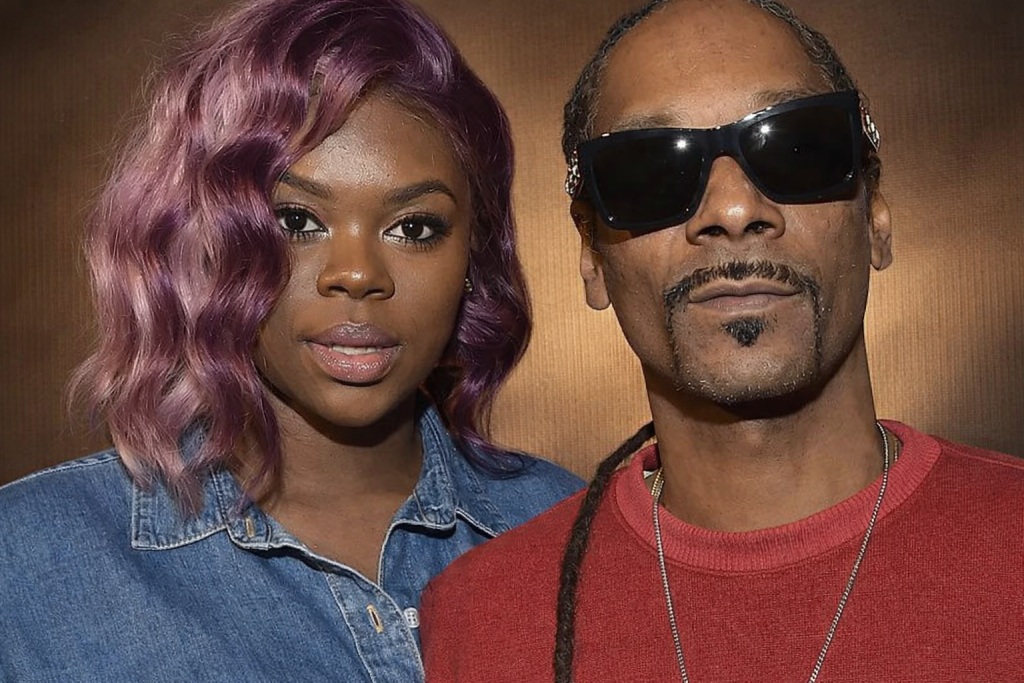
Rapper and activist Vic Mensa is sounding the alarm after returning from Minneapolis, saying what he witnessed there goes far beyond ordinary law enforcement — and into what he calls state-sponsored terrorism.
Mensa was spotted in Los Angeles earlier this week speaking to reporters about his recent trip to Minnesota, where protests have erupted following a violent escalation of federal immigration enforcement actions. According to the Chicago-born artist, the situation in Minneapolis isn’t just a law-and-order issue — it’s a crisis affecting entire communities, especially people of color.
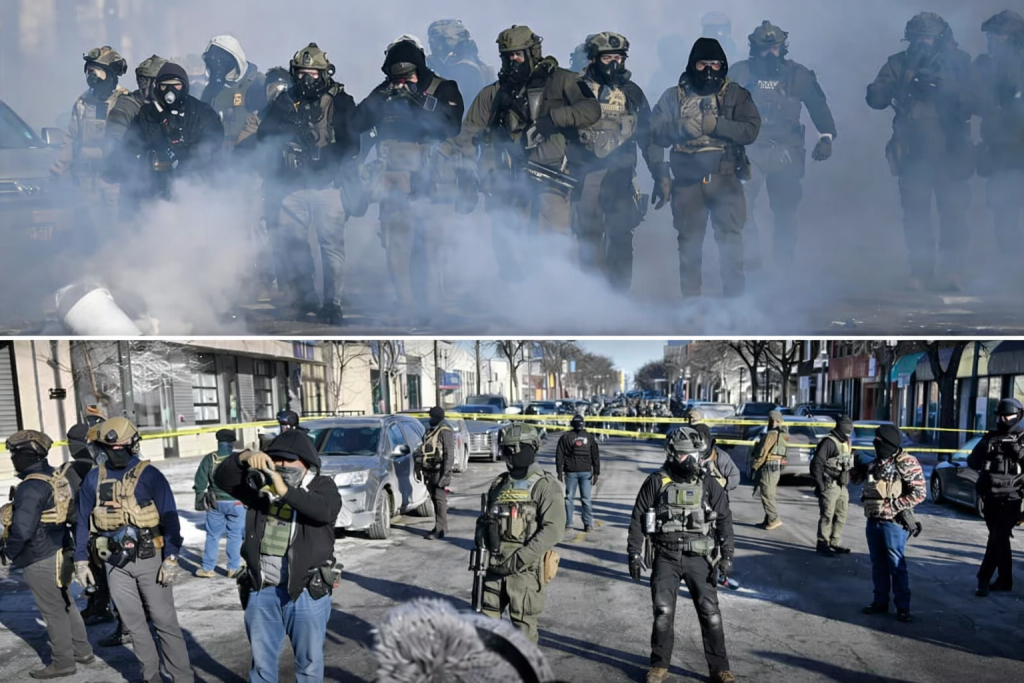
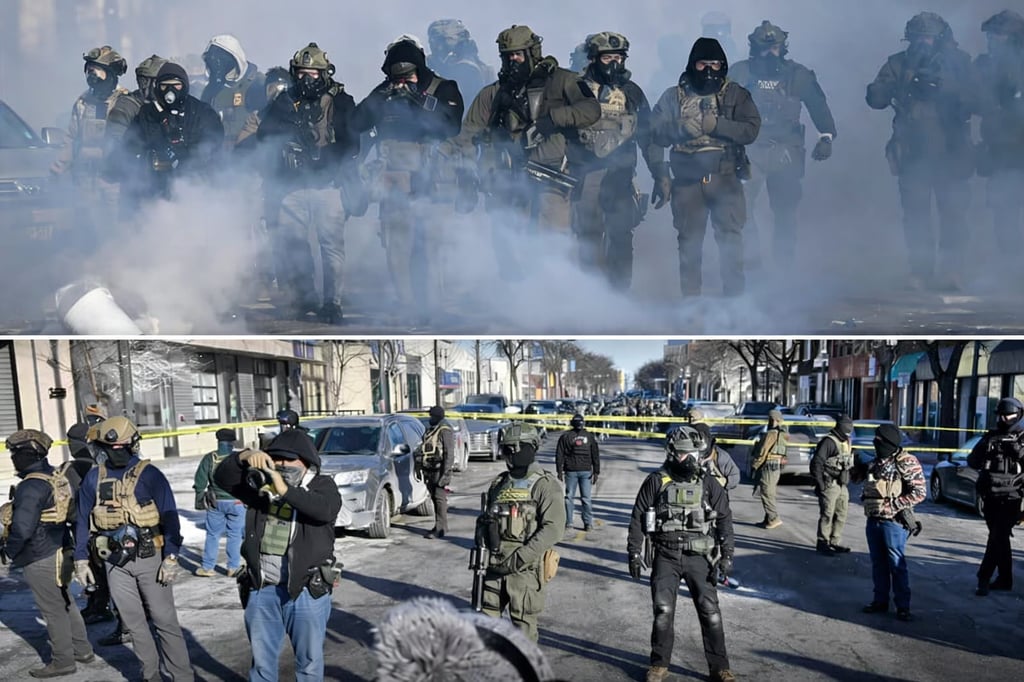
“They’re not just killing people — they’re assaulting entire neighborhoods with weapons and tactics that could change lives forever,” Mensa said, referring to the heavy federal presence of ICE (U.S. Immigration and Customs Enforcement), Customs and Border Protection (CBP), and other DHS agents. He described sonic devices and crowd-control measures being used against ordinary citizens, many of whom were protesting peacefully or simply observing operations.
While Mensa’s comments are emphatic, they reflect a broader national outcry that has grown in the past month as violence linked to the federal immigration crackdown in Minneapolis has unfolded. The tensions stem from what’s known as Operation Metro Surge — a large-scale deployment of federal immigration agents into the Twin Cities that has sparked unprecedented controversy. The operation has been criticized by local leaders, civil rights groups, and residents alike for its aggressive tactics and heavy militarization.
The flashpoints igniting this wave of protest have been two fatal shootings by federal agents in Minneapolis this January. On January 7, ICE agent Jonathan Ross fatally shot Renée Nicole Good, a 37-year-old U.S. citizen, as she attempted to drive away during an encounter with immigration officials. Bodycam footage and independent analyses suggest that multiple shots were fired at Good’s vehicle — a killing that the Hennepin County Medical Examiner later ruled a homicide.
Just weeks later, on January 24, another fatal confrontation occurred. Alex Pretti, a 37-year-old ICU nurse and Minneapolis resident, was shot and killed by federal agents while monitoring a protest. Footage widely circulated on social media shows Pretti filming a group of agents when he was pepper-sprayed, tackled, and reportedly shot multiple times. Supporters claim he was unarmed at the moment of his death, though federal authorities have stated he resisted disarmament. Independent human rights investigators, however, dispute parts of that narrative.
Those two deaths — along with other incidents during enforcement actions — have galvanized activists across the country. In Minneapolis, thousands have taken to the streets demanding accountability and the removal of federal immigration agents. Demonstrations have spread to cities such as San Francisco, Los Angeles, New York, Boston, and beyond, bringing attention to broader debates over immigration policy, use of force, and federal versus local authority.
Despite widespread protest, a federal judge recently refused to halt the surge of immigration agents at the request of Minnesota state officials — a decision that has only deepened frustration among demonstrators. Minnesota leaders argued that the surge violated the Constitution’s 10th Amendment by encroaching on state sovereignty, but the judge ruled there wasn’t enough evidence to pause the operation.
Mensa, who has been outspoken about social and racial justice issues in the past, frames the controversy through a historical lens. In his interview this week, he said that as a Black man in America, he’s seen similar patterns of aggressive state responses to protest and community unrest — and that what’s happening now in Minnesota fits into that troubling history.
“It’s not just ICE,” Mensa explained. “It’s a symbol of how power gets exercised when people start asking questions about who gets protected — and who doesn’t.”
Mensa went on to caution against apathy. “I know folks feel worn down,” he said, referencing why some people choose not to get involved. But he emphasized that the issue isn’t isolated to Minneapolis — it concerns every American concerned about civil rights and constitutional protections.
Other public figures have also weighed in. Celebrities and activists across the country have condemned the shootings and the federal response, with some urging collective action and solidarity with protesters.
Meanwhile, authorities are facing pressure on multiple fronts. The U.S. Department of Justice has opened a federal civil rights investigation into Pretti’s shooting, with the FBI taking the lead in examining whether the use of force was lawful.
Back in Minneapolis, the mood remains tense. Protesters have organized “ICE observer” groups — volunteers who monitor and document immigration enforcement activity to create a record of interactions between agents and citizens. Thousands have signed up in recent weeks, signaling deep community concern and distrust of federal narratives.
In the midst of all this, Minneapolis has become a focal point in the national debate over immigration enforcement, policing, and civil liberties — and voices like Vic Mensa’s reflect the growing concern that what is happening in Minnesota could be a bellwether moment for how the U.S. evaluates federal power and public accountability in the years to come.