
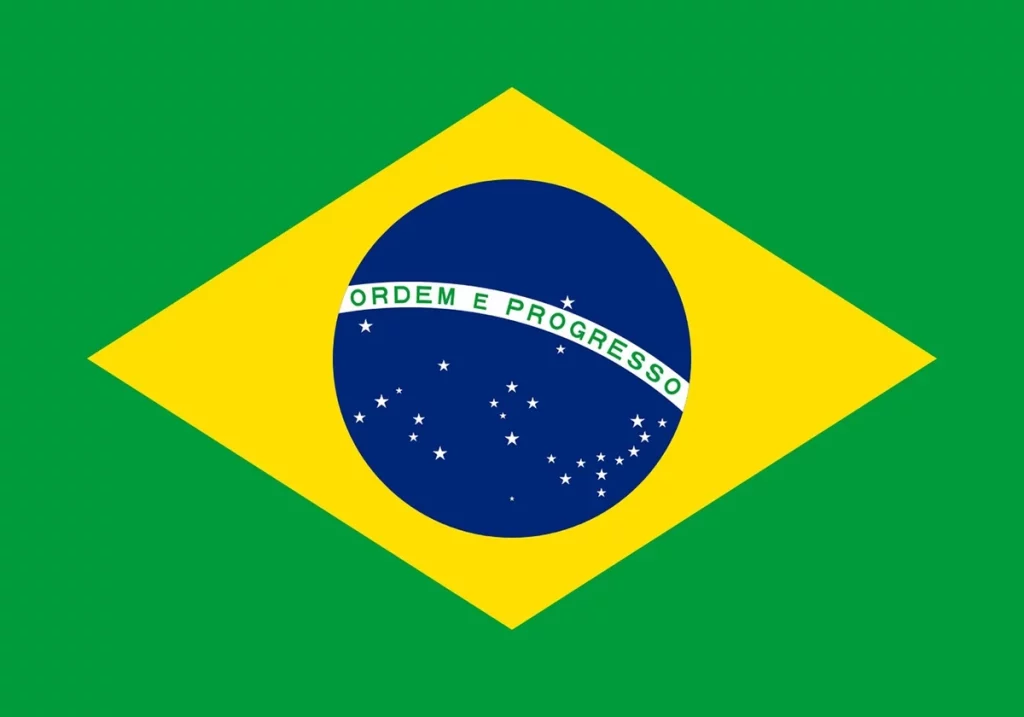
Brazil has officially joined the United States, Canada, Japan, the United Kingdom, and Schengen-area countries in benefiting from Mexico’s streamlined digital entry system. With the return of the Sistema de Autorización Electrónica (SAE), Brazilian travelers can now complete the entire visa process online in minutes, removing the need for costly consular appointments and long processing times. The move signals Mexico’s intent to simplify access for key tourism and business markets ahead of the 2026 FIFA World Cup.
The system is designed to be fast and practical. Travelers only need to upload a scanned passport, provide a travel itinerary, and submit proof of onward travel. Once the application is completed, an approval email with a QR code is typically issued within an hour. That QR code becomes the traveler’s digital entry authorization, eliminating paperwork and cutting out the traditional visa queues.

Unlike the old consular process introduced in 2022, the digital permit is free and valid for a single entry of up to 180 days. For Brazilian tourists and professionals, it represents a major shift back to convenience. What once required in-person appointments, extra documentation, and additional fees can now be done entirely from a smartphone or laptop.
The decision comes after several years of shifting visa rules. Brazil enjoyed visa-free entry to Mexico starting in 2004, but rising irregular migration toward the United States forced Mexico to tighten policies in late 2021. A full consular visa followed in August 2022, which sharply reduced Brazilian arrivals. Tourism numbers reportedly fell by more than 40 percent, with hundreds of millions of dollars in spending disappearing from key destinations.

Mexican tourism authorities, especially in regions like Quintana Roo and Baja California Sur, pushed for the return of a digital system. Their argument was simple: Brazil is a major outbound market, and easier access translates directly into more visitors, more spending, and stronger economic ties. With the 2026 World Cup approaching, restoring a frictionless entry system became a strategic move.
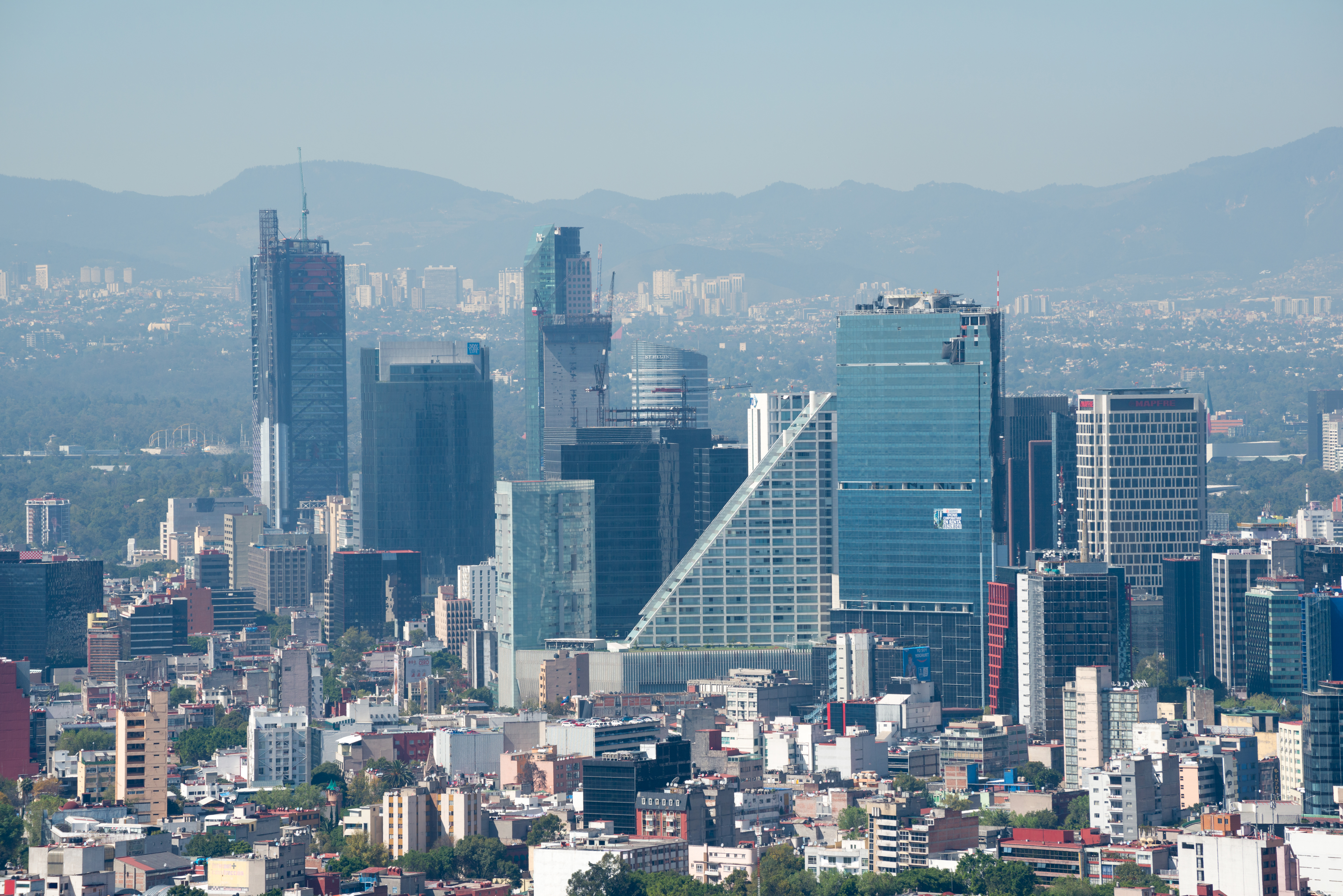
Beyond tourism, the SAE also benefits business travel. Companies in sectors such as manufacturing, energy, and technology can now move staff across borders without delays. Engineers flying into Monterrey, executives visiting energy hubs, or sales teams attending trade events in Mexico City can complete the entry process online and receive approval within hours. For corporations, that means fewer disruptions and faster operations.

The move also reflects a broader regional shift toward digital border control. Countries across Latin America are adopting e-visas, automated entry gates, and paperless travel systems to reduce friction while maintaining security. Mexico’s return to the SAE model places it back in line with that trend and reinforces its image as a modern, accessible destination.
There are still some conditions. The digital authorization does not guarantee automatic entry, as immigration officers can request proof of funds, accommodation, or return tickets at the border. However, Brazilian nationals who already hold valid visas or permanent residence in the U.S., Canada, Japan, the UK, or Schengen countries remain exempt from the SAE requirement.
Overall, the revival of the digital visa system is a calculated step by Mexico. It lowers barriers, revives a crucial tourism market, and prepares the country for the massive international traffic expected during the 2026 World Cup. For Brazilian travelers, it simply means this: Mexico is once again just a few clicks away.