
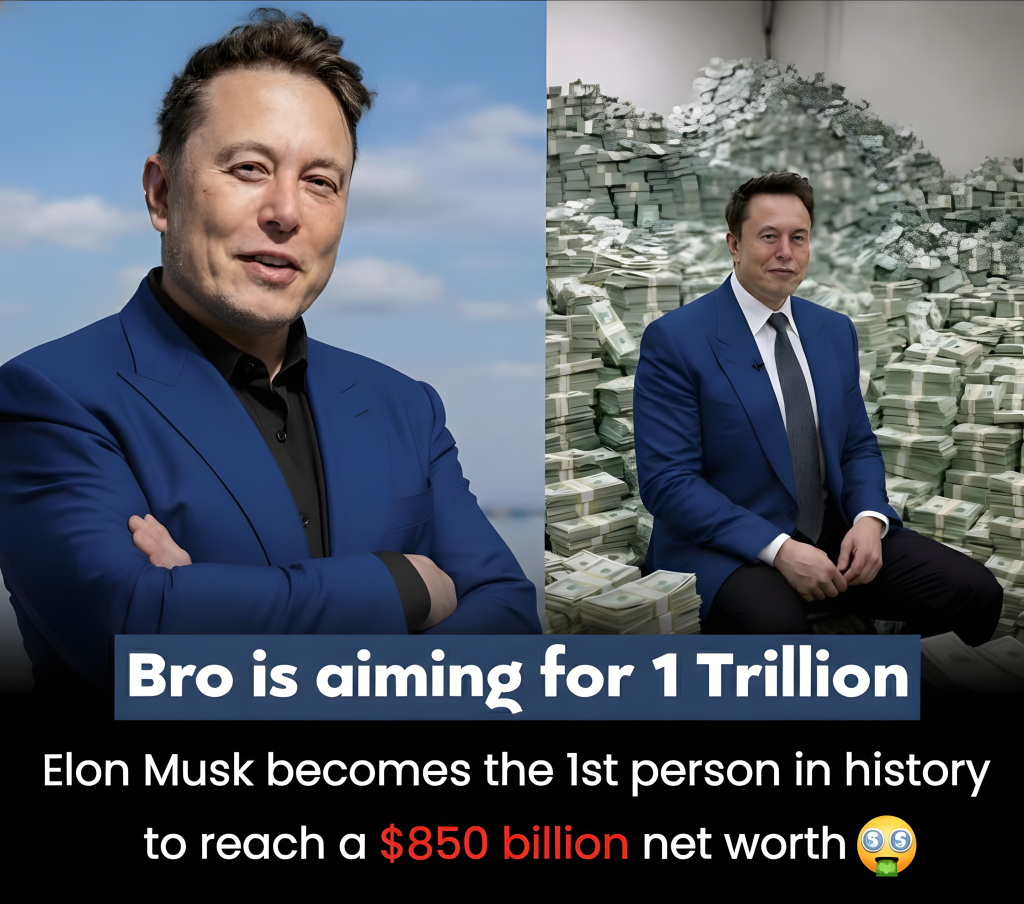
Elon Musk has reached an estimated net worth of around $850 billion, making him the richest person in history. However, the vast majority of this fortune is tied up in equity holdings, not liquid cash.
Most of Musk’s wealth comes from stakes in companies such as:
- ~12% of Tesla 🚗⚡️
- ~42% of SpaceX 🚀
Despite the headline figures, Musk has referred to himself as “cash poor”, frequently borrowing against his shares to finance ventures or personal expenditures.
Understanding Liquidity and Wealth
While Musk’s net worth reflects ownership in highly valuable companies, the amount of readily available cash is far smaller. Estimates suggest his liquid assets may total under $1 billion, a tiny fraction of the total $850 billion valuation.
This distinction explains why even the wealthiest individuals do not always have massive cash reserves, as much of their value is tied to market valuations, stock performance, and private company stakes.
Why This Matters
Understanding the breakdown of Musk’s wealth highlights broader points about:
- Equity vs cash: Billionaires often hold net worth on paper through company ownership rather than bank deposits.
- Financial strategy: Borrowing against shares is a common method for funding new ventures without selling stakes.
- Market sensitivity: Musk’s net worth can fluctuate dramatically with Tesla stock price, SpaceX valuations, and other equity movements.
Context from Experts
Financial analysts note that while $850 billion is a historic milestone, it doesn’t equate to liquid purchasing power. Headlines around billionaire wealth often amplify equity valuations, which can be volatile and not immediately convertible into cash.
Professional Q&A Section