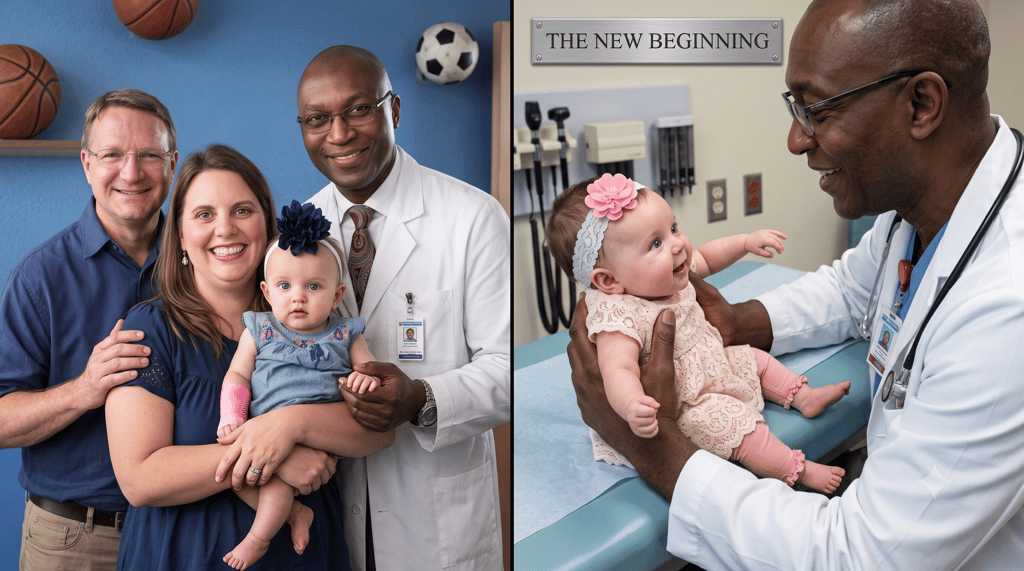
A rare fetal surgery has drawn international attention after doctors successfully removed a life-threatening tumor from an unborn baby at just 23 weeks of pregnancy. The highly specialized procedure involved temporarily lifting the fetus from the mother’s womb, removing the tumor, and then returning the baby to the uterus so development could continue.
According to published reports, the baby remained in the womb for another 13 weeks before being delivered healthy at 36 weeks with no major complications. The case highlights the growing capabilities of fetal medicine and the importance of multidisciplinary surgical care.
The claim that the lead surgeon was Nigerian has appeared in reports but should be confirmed through official medical sources or the hospital involved.
What Happened
Doctors diagnosed the unborn baby with a sacrococcygeal tumor, a rare growth that develops near the tailbone. Although many of these tumors are benign, they can become dangerous before birth because they may grow rapidly and divert blood flow away from the baby’s vital organs.
As the pregnancy progressed, the medical team determined that waiting until delivery could place the baby’s life at serious risk. They therefore decided to perform an exceptionally rare fetal operation.
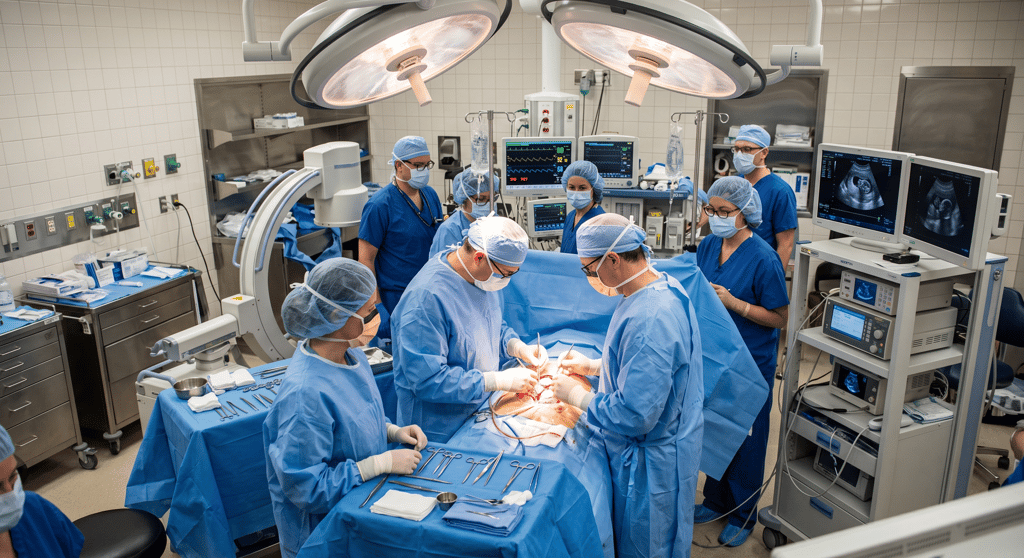
During the procedure, surgeons:
- Carefully opened the mother’s uterus.
- Temporarily brought part of the fetus outside the womb while maintaining the baby’s connection to the placenta.
- Removed the tumor.
- Closely monitored blood circulation, fetal temperature, and uterine stability throughout the operation.
- Returned the baby to the uterus so the pregnancy could continue.
Following the surgery, doctors monitored both mother and baby closely. The pregnancy continued for approximately 13 more weeks before the baby was delivered at 36 weeks.
According to reports, the newborn had no major complications related to the surgery.
Background
Fetal surgery is one of the most specialized fields in modern medicine. These procedures are performed before birth to treat certain conditions that could otherwise become fatal or cause permanent disability.
Sacrococcygeal tumors are the most common tumors found in newborns, but they remain rare overall, occurring in roughly one out of every 35,000 to 40,000 births. Most cases are treated after birth. Only a small number require open fetal surgery during pregnancy.
Because the fetus depends entirely on the placenta for oxygen and nutrients, surgeons must preserve blood flow throughout the operation. At the same time, they must prevent premature labor and protect the mother’s health.
Only a limited number of hospitals worldwide have teams trained to perform such procedures.
Why This Matters
The successful outcome demonstrates how advances in prenatal medicine continue to expand treatment options for conditions once considered untreatable before birth.
Key reasons this case has attracted attention include:
- It involved one of the rarest forms of fetal surgery.
- The pregnancy continued successfully after the operation.
- Both mother and baby reportedly recovered well.
- It highlights the importance of early prenatal diagnosis and specialized care.
The case also reflects years of progress in imaging technology, anesthesia, maternal-fetal medicine, and pediatric surgery.
Public Reaction

The story has been widely shared across social media, where many people have praised the medical team for their skill and dedication.
Many users described the outcome as remarkable and pointed to it as an example of how modern medicine continues to evolve. Others emphasized the importance of supporting research and specialized healthcare services.
While the case has inspired widespread admiration, medical professionals note that such procedures are extremely uncommon and are considered only after careful evaluation of the risks to both mother and baby.
Final Thoughts
The successful treatment of a baby with a sacrococcygeal tumor before birth demonstrates the remarkable advances achieved in fetal medicine over recent decades.
According to published reports, the surgery allowed the pregnancy to continue safely for another 13 weeks, giving the baby additional time to develop before delivery.
While this case showcases the possibilities of highly specialized prenatal care, it also serves as a reminder that such procedures remain rare and are performed only in carefully selected cases by experienced multidisciplinary teams.
As additional information becomes available from the medical team or published case reports, it will provide further insight into this extraordinary example of modern fetal surgery.
8. FAQ

Read more: Rare Fetal Surgery Removes Tumor From Unborn Baby at 23 Weeks, Baby Born Healthy