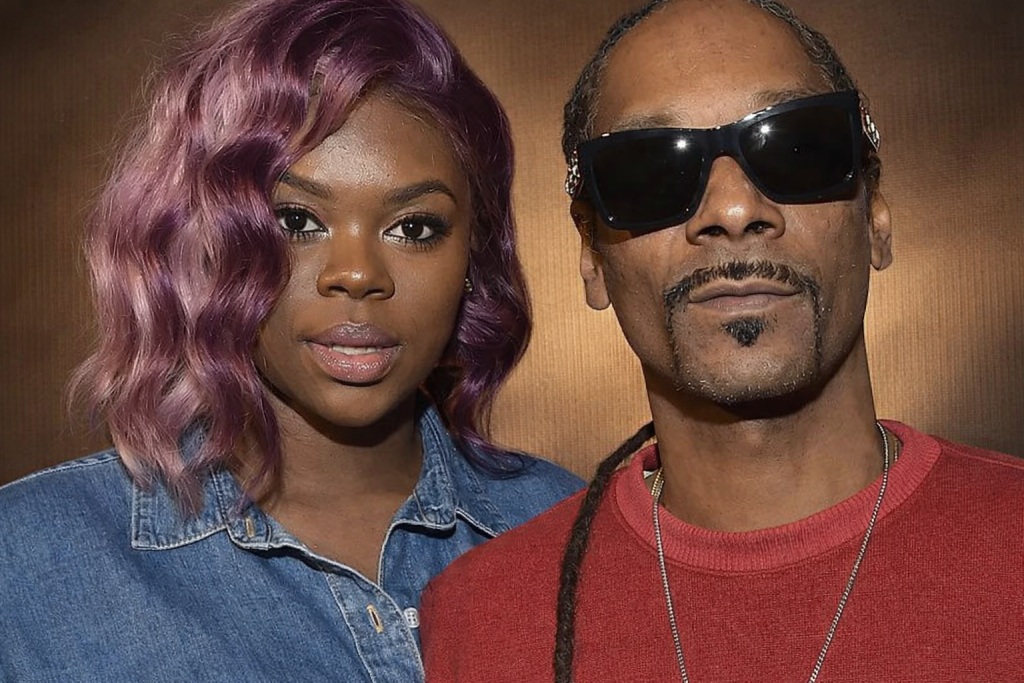

Keefe D’s public interviews illustrate a difficult boundary between telling hip-hop history and discussing events with legal consequences. A story told for an audience can later be heard by people with very different interests.
When an interview becomes a record
Podcasts and interviews give people space to describe their experiences in their own words. They also preserve those words. Listeners may treat a dramatic account as entertainment, while investigators and courts may examine particular statements much more closely.
That tension matters in stories connected to violence and loss. It is possible to discuss an interview’s cultural impact without treating every recollection as an established fact.
Join the conversation
How should hip-hop media approach firsthand stories that touch unresolved cases? Share your view in the comments.