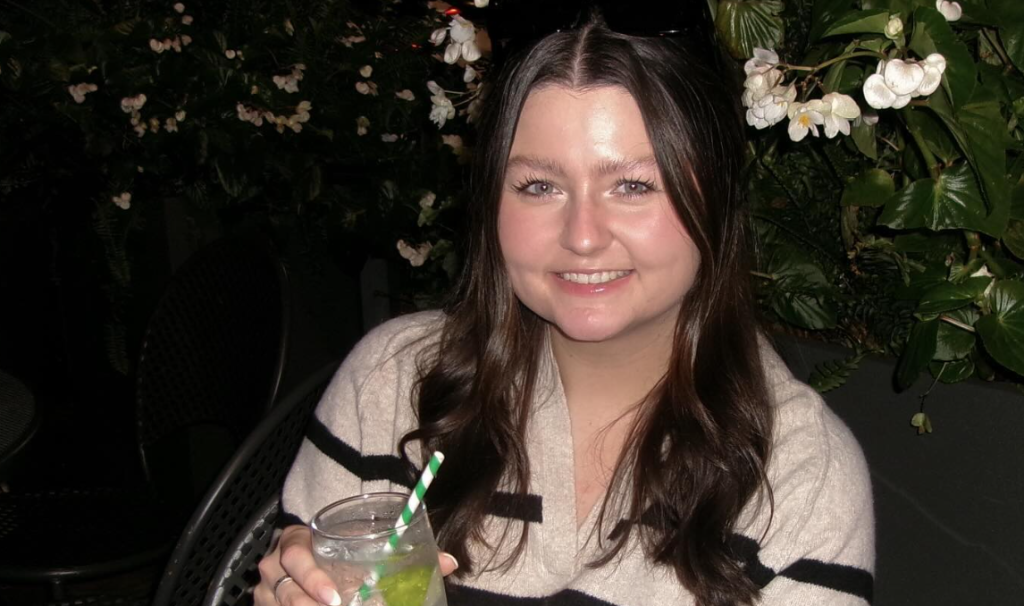
In the dim glow of a hospital room, 17-year-old Megan Miller awoke screaming, her head throbbing like a drumbeat from hell. It was her first migraine—a vicious intruder that clawed into her skull with unrelenting fury. Her panicked parents rushed her to the emergency room, where doctors hovered, whispering about strokes and scans. “What is happening to me?” Megan gasped, clutching her temples as the world spun into a blur of pain and fear.
That night in 2013 marked the beginning of a decade-long war. For over 10 years, migraines became Megan’s cruel constant, striking two to three times a week with debilitating force. She’d wake up each morning bracing for the assault, her days hijacked by nausea, sensitivity to light and sound, and an exhaustion that seeped into her bones. Simple joys—family dinners, weekend hikes, even scrolling through her phone—turned into minefields. “It felt like my brain was betraying me,” Megan later shared in a raw video that would go viral, capturing the raw edges of her desperation.
Bouncing from doctor to doctor, Megan’s pleas echoed in sterile offices. Primary care physicians shrugged. Neurologists prescribed pills that dulled the edges but never the root. An allergy specialist flagged something odd: an extreme sensitivity to gluten, possibly celiac disease. But the connection? Dismissed. “Gluten issues are just tummy troubles,” they said, handing her antacids instead of answers. Megan, now in her late 20s and living in a haze of chronic pain, felt invisible. “I was gaslit for years,” she admitted. “They’d say, ‘We don’t know,’ and send me home to suffer.”
Life ground on in survival mode. Megan, a vibrant graphic designer from Colorado, forced smiles at work while popping painkillers like candy. Holidays blurred into ordeals; vacations were canceled. Her relationships strained under the weight of her unpredictability. “I’d cancel plans last-minute because the pain was too much,” she recalled. Deep down, a quiet rage simmered—not just at the migraines, but at a medical system that seemed to overlook her story.
Then, in a twist that felt like fate’s belated mercy, Megan landed a new primary care doctor: a no-nonsense woman who listened. Really listened. “She pored over my charts like a detective,” Megan said. Blood tests followed—comprehensive ones, the kind no one had bothered with before. The results hit like a thunderclap: her gluten intolerance wasn’t a side note; it was the villain. The protein in wheat, barley, and rye was inflaming her body, triggering neurological chaos that manifested as those skull-splitting headaches.
In that viral TikTok clip, now viewed millions of times, Megan’s face crumples with a cocktail of relief and fury as she recounts the moment. “So happy to finally have an answer,” she says, her voice cracking, “but also so mad it took 10 years to find. Also turns out gluten allergies don’t always present in stomach issues.” The video exploded, not just for the diagnosis bombshell, but for the universal cry it amplified: women’s health stories too often dismissed, delayed, and diminished.
Armed with truth, Megan dove into transformation. Out went the pasta, the bread, the sneaky gluten hiding in sauces and snacks. In came quinoa bowls, almond flour experiments, and a kitchen overhaul that turned cooking into an act of rebellion. The first week was a gauntlet—cravings clawed at her, and withdrawal headaches tested her resolve. But then… quiet. No throbbing dawn choruses. No canceled Fridays.
“I’ve gone longer not eating gluten and not having a migraine than I have in 10 years,” Megan beams in a follow-up post, her eyes bright with a lightness absent for a decade. Each pain-free day became a victory lap: mornings sipping coffee without dread, evenings laughing with friends over gluten-free pizza. She rebuilt her community, too—thousands of followers rallied in comments, sharing their own hidden triggers and triumphs. “You become part of this sisterhood of fighters,” she says.
Today, Megan’s life hums with reclaimed energy. She’s hiking Colorado trails, sketching bold designs, and advocating fiercely for those still in the dark. Her mantra? “You have to fight for answers. Find a doctor who’s willing to actually advocate for you, willing to put in those tests.” Her story isn’t just a personal win; it’s a siren call to the millions enduring silent suffering—reminding us that sometimes, the cure hides in the ingredient we never suspected.
In a world quick to medicate and move on, Megan Miller proves persistence pays. One food cut, one decade reclaimed. What’s your hidden trigger? Share below—we’re all in this fight together.