
Brazil’s government is moving decisively to accelerate congressional approval of the Mercosur–European Union trade agreement, aiming to prevent European judicial challenges from stalling its implementation. Vice President and Minister of Development, Industry, Trade, and Services Geraldo Alckmin said the Lula administration intends to push the treaty through Brazil’s internal ratification process as quickly as possible, paving the way for its provisional application.
Speaking on Thursday (22) after meeting Senator Nelsinho Trad, chair of the Senate Foreign Relations Committee, Alckmin acknowledged recent setbacks but struck an optimistic tone. According to him, President Lula is expected to formally submit the agreement to Congress, beginning with the lower house, in order to move the process forward without delay. Trad, Alckmin said, pledged to prioritize the bill, underscoring the sense of urgency within Brazil’s political leadership.
“The faster we act, the better,” Alckmin said, arguing that swift action by Brazil could help the European Commission advance toward provisional application of the deal even as court challenges unfold in Europe. In his view, decisive movement from Mercosur would create political conditions for Brussels to respond more quickly.
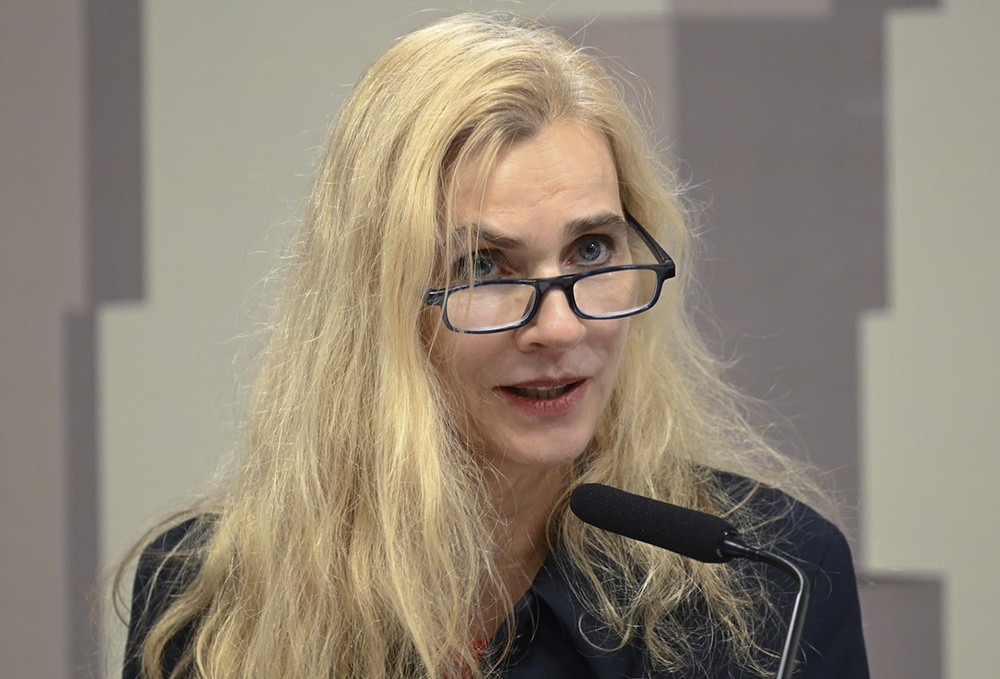
That message was echoed in Brasília during a separate meeting between Senator Trad and the European Union’s ambassador to Brazil, Marian Schuegraf. While acknowledging that legal proceedings in Europe could slow the process, the ambassador emphasized the central role of parliaments in democratic systems. She welcomed Brazil’s intention to accelerate ratification, suggesting it could encourage similar momentum on the European side.
Schuegraf also noted that coordinated action by all Mercosur members would strengthen the signal sent to European capitals. “If the other Mercosur countries join this effort, even better,” she said, adding that the EU remains committed to implementing the agreement as quickly as possible.
On the domestic front, Trad said he sees strong engagement from both Chamber of Deputies Speaker Hugo Motta and Senate President Davi Alcolumbre. According to the senator, Motta plans to meet with party leaders by the end of the month to discuss the agreement, while Alcolumbre recognizes its strategic importance not only for Brazil, but for Mercosur and Europe alike.

Beyond Congress, Brazil’s trade promotion apparatus is also mobilizing. ApexBrasil President Jorge Viana stressed that the government’s goal is for the agreement to enter into force in 2026. He highlighted plans to intensify efforts to improve Brazil’s image in Europe, countering lingering skepticism about the country’s environmental and regulatory stance. “Brazil is not a bogeyman,” Viana said, arguing that recent changes under Lula must be communicated more effectively abroad.
As part of this outreach, Viana revealed that Senate President Alcolumbre accepted an invitation to visit the European Parliament, opening a direct channel for dialogue on the treaty. The broader strategy, according to officials, includes encouraging other Mercosur legislatures to move quickly, sending a unified political message to Europe.
Behind the scenes, Brasília believes European Commission President Ursula von der Leyen and European Council President António Costa remain committed to the deal. From Brazil’s perspective, the task now is clear: move fast at home, rally Mercosur partners, and provide the political backing Europe needs to overcome its internal obstacles and bring the long-negotiated agreement into effect.