For most of American history, cannabis lived outside the home.
It was smoked elsewhere. Shared elsewhere. Hidden elsewhere. The living room, the kitchen, the bedtime routine — those spaces were off-limits. Cannabis belonged to dorms, cars, concerts, and places where rules were already loose.
That boundary is gone.
Today, cannabis has crossed a far more meaningful line than legality. It’s crossed the threshold of the American household.
It shows up after dinner. Before sleep. During a quiet moment on the couch. It’s stored next to supplements. Taken with intention. Used in ways that blend into daily life rather than disrupt it.
This shift hasn’t been loud or political. It hasn’t been driven by activists or celebrities.
It’s been driven by households.
Parents, couples, empty nesters, and professionals are redefining what cannabis looks like — not as a statement, but as a routine. Not as a party, but as a pause.
And once cannabis became domestic, everything about the industry, the culture, and the future of legalization changed.
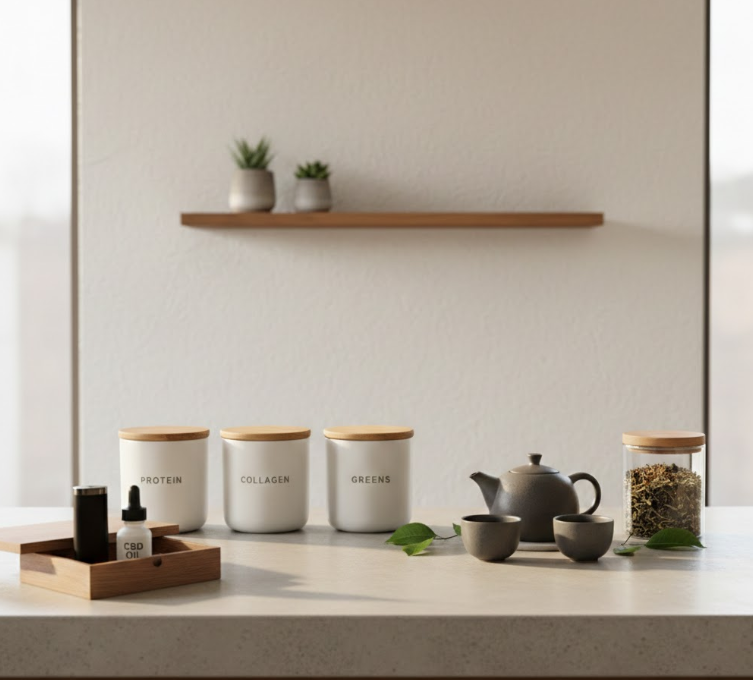
From Public Act to Private Ritual
Cannabis legalization is often framed as a policy story. But its real impact is behavioral.
When something becomes legal and socially acceptable, it migrates inward. It moves from public spaces into private ones.
Alcohol made this transition long ago. So did streaming media. So did remote work.
Cannabis followed the same arc.
Early legalization years focused on access: dispensaries, products, potency. But over time, the question shifted from “Can I buy it?” to “Where does this fit in my life?”
For many Americans, the answer wasn’t nightlife or social scenes.
It was home.
The privacy of the household removed performance. No audience. No pressure. No identity signaling. Just use — or non-use — on personal terms.
That’s when cannabis stopped being a public behavior and became a private choice.
And private choices scale faster than public movements.
.
Why the Home Changed Cannabis Forever
The home is where habits form.
When cannabis entered domestic routines, three powerful changes occurred:
First: Frequency replaced intensity.
People stopped chasing peak experiences and started seeking consistency. Smaller doses. Predictable effects. Products that support sleep, calm, or transition.
Second: Ritual replaced rebellion.
Cannabis use began to mirror other household rituals — tea at night, a glass of wine, a skincare routine. It became about rhythm, not resistance.
Third: Responsibility replaced identity.
In a household context, cannabis has to coexist with work schedules, kids, pets, mornings, and consequences. That naturally pushes behavior toward moderation.
This is why domestic cannabis looks nothing like old stereotypes.
It’s quieter. Softer. More intentional.
And far more sustainable.
How Domestic Use Is Reshaping the Market
Once cannabis became a household product, the industry had to adapt — whether it wanted to or not.
You can see it everywhere:
- Product design: Edibles, beverages, capsules, tinctures
- Dosage: Microdosing over max potency
- Branding: Calm colors, clean fonts, non-intimidating language
- Timing: Evening, sleep, recovery, decompression
Even dispensary conversations have changed. Customers aren’t asking how strong something is — they’re asking how it fits into their day.
This shift also changes who holds influence.
Not influencers. Not counterculture icons.
Households.
And households vote with routines, not trends.

.
Is This “Too Normal” for Cannabis?
Some critics argue domestic cannabis is a loss.
That bringing cannabis into the home strips away creativity, community, and culture. That it becomes bland. Over-regulated. Corporate.
But that critique misunderstands how culture actually survives.
Cultures don’t die when they enter the home.
They stabilize.
Jazz didn’t disappear when it left clubs and entered living rooms. Coffee didn’t lose meaning when it became a morning ritual. Therapy didn’t weaken when it stopped being taboo.
Cannabis didn’t lose its edge.
It gained roots.
And rooted things don’t vanish — they endure.
What People Are Asking