
Indian health authorities are racing to contain a fresh outbreak of the Nipah virus (NiV), a rare but extremely dangerous disease with no approved cure or vaccine. The outbreak has been reported in the eastern Indian state of West Bengal, raising serious concerns among public health experts due to the virus’s high fatality rate and its potential to spark a wider epidemic.
So far, at least five confirmed cases have been identified, all linked to the same private hospital. Those infected include three nurses, one doctor, and another hospital staff member. According to the West Bengal health department, one patient remains in critical condition, while the others are being closely monitored. Investigations are ongoing to determine the exact source of the infections.
Preliminary reports suggest that one of the nurses may have contracted the virus while treating a patient who had severe respiratory symptoms and later died before testing could be conducted. This has intensified fears of hospital-based transmission, a known risk factor in past Nipah outbreaks where close, unprotected contact played a key role in spreading the virus.
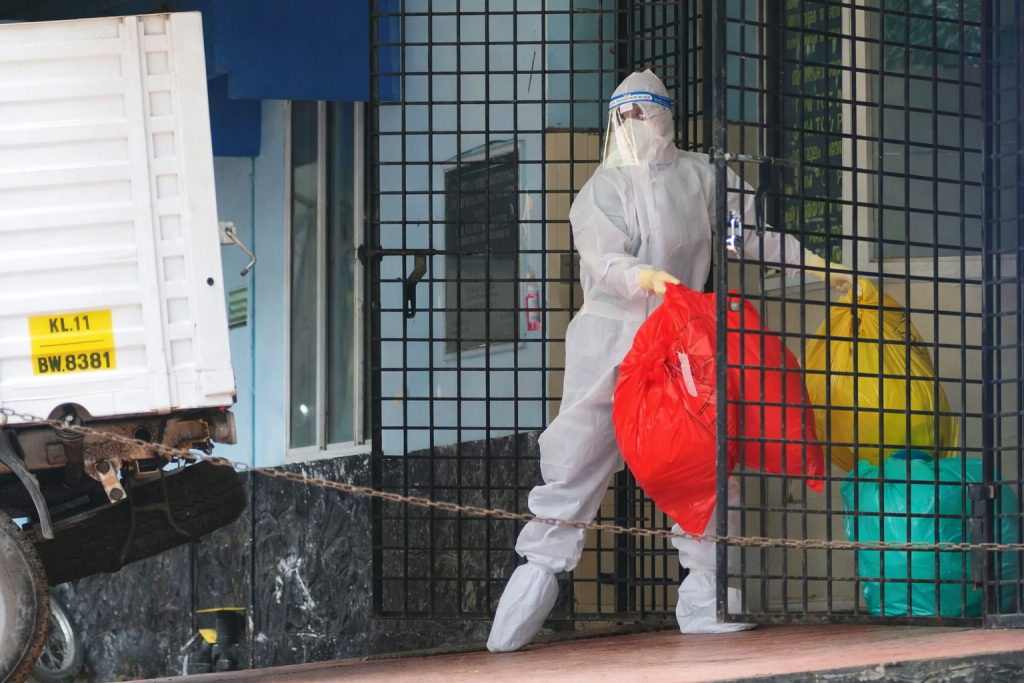
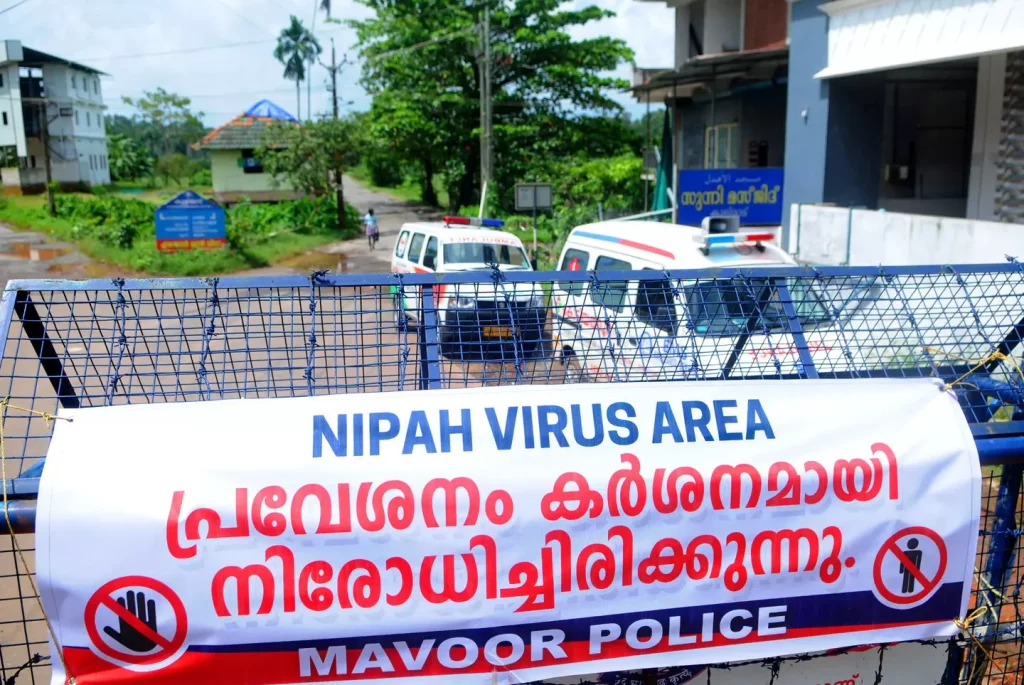
In response to the outbreak, state authorities have placed nearly 100 people under quarantine after identifying them as close contacts of the infected individuals. Officials have confirmed that all those quarantined are currently asymptomatic and have tested negative so far. However, they will undergo repeat testing before the end of the mandatory 21-day observation period, reflecting the virus’s incubation timeline.
The World Health Organization (WHO) classifies Nipah virus as a high-priority pathogen due to its ability to cause severe disease and trigger outbreaks with epidemic potential. It is listed on the WHO’s Research and Development Blueprint, which highlights diseases requiring urgent scientific attention. The absence of a proven treatment or vaccine makes early detection, isolation, and prevention the only effective tools available.
Although there have been no recorded cases of Nipah virus in the UK, health agencies there are closely monitoring developments in India. The UK Health Security Agency has previously warned that direct, unprotected contact with infected individuals—particularly those showing respiratory symptoms—poses a significant transmission risk.
Nipah virus is a zoonotic disease, meaning it spreads from animals to humans. People can become infected through contact with infected animals, consumption of contaminated food, or direct human-to-human transmission. Early symptoms often resemble common illnesses, including fever, headaches, muscle pain, vomiting, and sore throat. However, the disease can rapidly progress into severe neurological complications.
In more serious cases, patients may develop encephalitis—dangerous inflammation of the brain—leading to seizures, coma, and death within as little as 24 to 48 hours. The WHO estimates that between 40% and 75% of Nipah virus cases result in fatalities, making it one of the deadliest known viral infections.
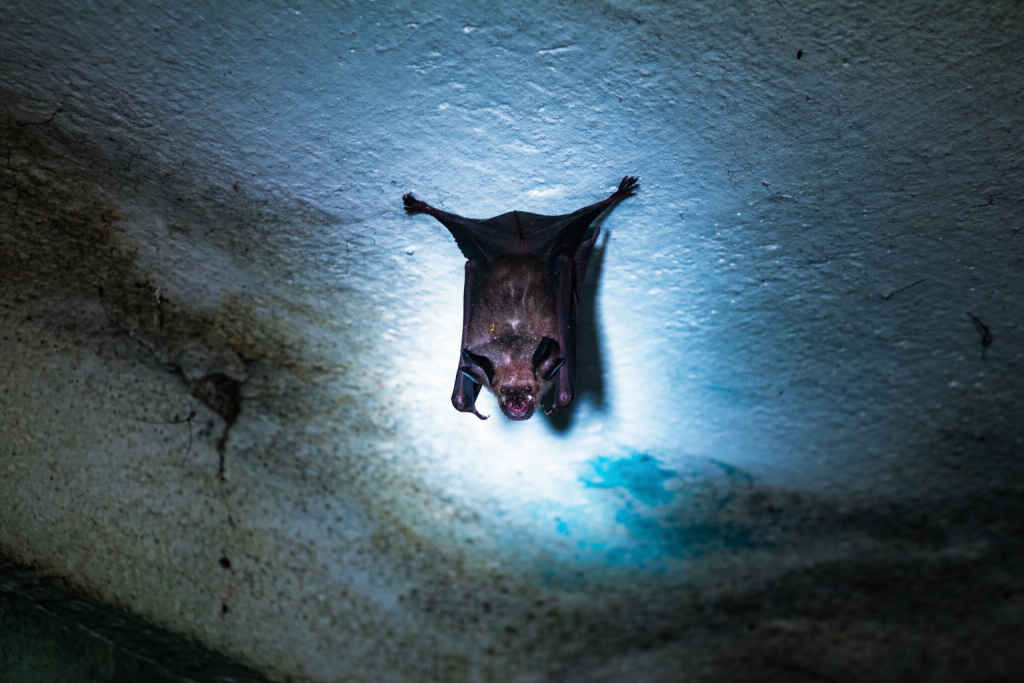
The virus was first identified in 1999 during an outbreak among pig farmers in Malaysia. Since then, recurring outbreaks have been documented in Bangladesh and India, with fruit bats identified as the primary natural reservoir. In India, several past outbreaks have been linked to fruit bats contaminating food sources.
India’s Ministry of Health has issued public advisories urging citizens to take preventive measures. These include washing fruits and vegetables thoroughly, maintaining proper hand hygiene, wearing protective gear when handling animals, and avoiding the consumption of partially eaten fruits, raw date palm sap, or liquids left exposed in open containers. As officials work to contain the outbreak, health experts stress that vigilance and public cooperation will be crucial in preventing further spread.