The Dutch Football Association (KNVB) has responded to growing speculation about a potential boycott of the 2026 FIFA World Cup, following controversy surrounding former U.S. President Donald Trump and his recent political actions. While calls for protest have surfaced in parts of Europe, the Dutch FA has moved quickly to cool any expectations that the Netherlands will refuse to take part.
The 2026 World Cup is set to be jointly hosted by the United States, Canada, and Mexico, a format already raising logistical concerns for fans. However, the political climate in the U.S. has added another layer of tension, particularly after Trump’s hardline immigration policies and renewed global rhetoric stirred debate about whether participating nations should take a stand.
This would not be the first time a World Cup host has drawn criticism. Russia’s hosting of the 2018 tournament later came under scrutiny following its invasion of Ukraine, while Qatar’s 2022 World Cup was overshadowed by widespread allegations of human rights abuses and the treatment of migrant workers. Against that backdrop, many observers argue FIFA has repeatedly prioritized commercial interests over ethical concerns.
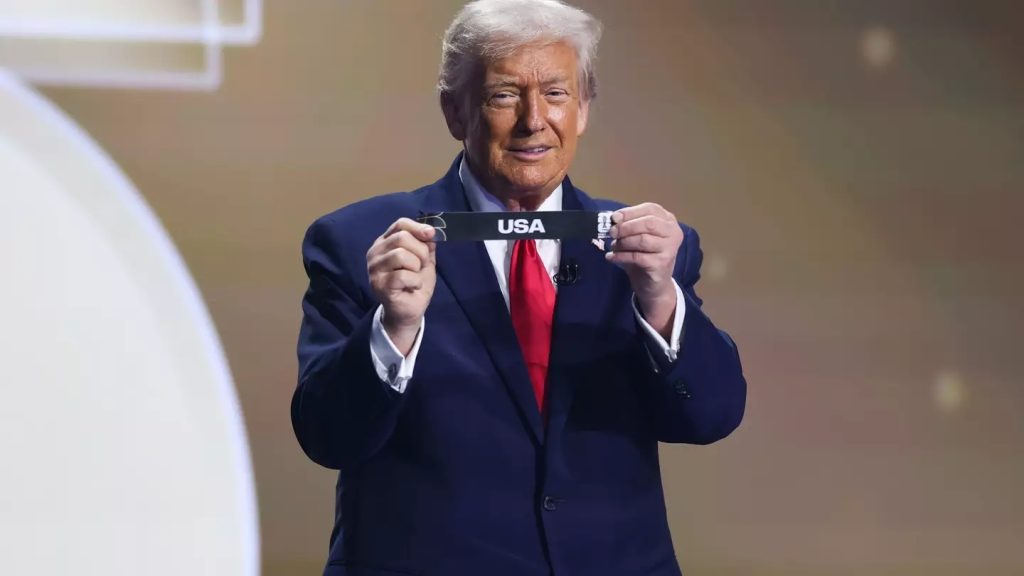
In the case of the United States, controversy has resurfaced after Trump was reportedly honoured with a FIFA peace-related award, a move that baffled critics given his history of inflammatory foreign policy statements. Trump has also made headlines by threatening to “take” Greenland, remarks that raised diplomatic eyebrows even after he later ruled out the use of military force.
Another flashpoint involves U.S. entry restrictions. Trump-era travel bans targeted several countries, some of which have since qualified for the World Cup. That raised fears about whether players, staff, or supporters from affected nations could face barriers when travelling to matches held on U.S. soil.
Despite this, KNVB secretary general Gijs de Jong made it clear that the Dutch FA is not preparing for a boycott. In a formal statement, de Jong acknowledged that the association is monitoring geopolitical developments but stressed that any decision would ultimately rest with FIFA, UEFA, and the Dutch government—not the football federation alone.
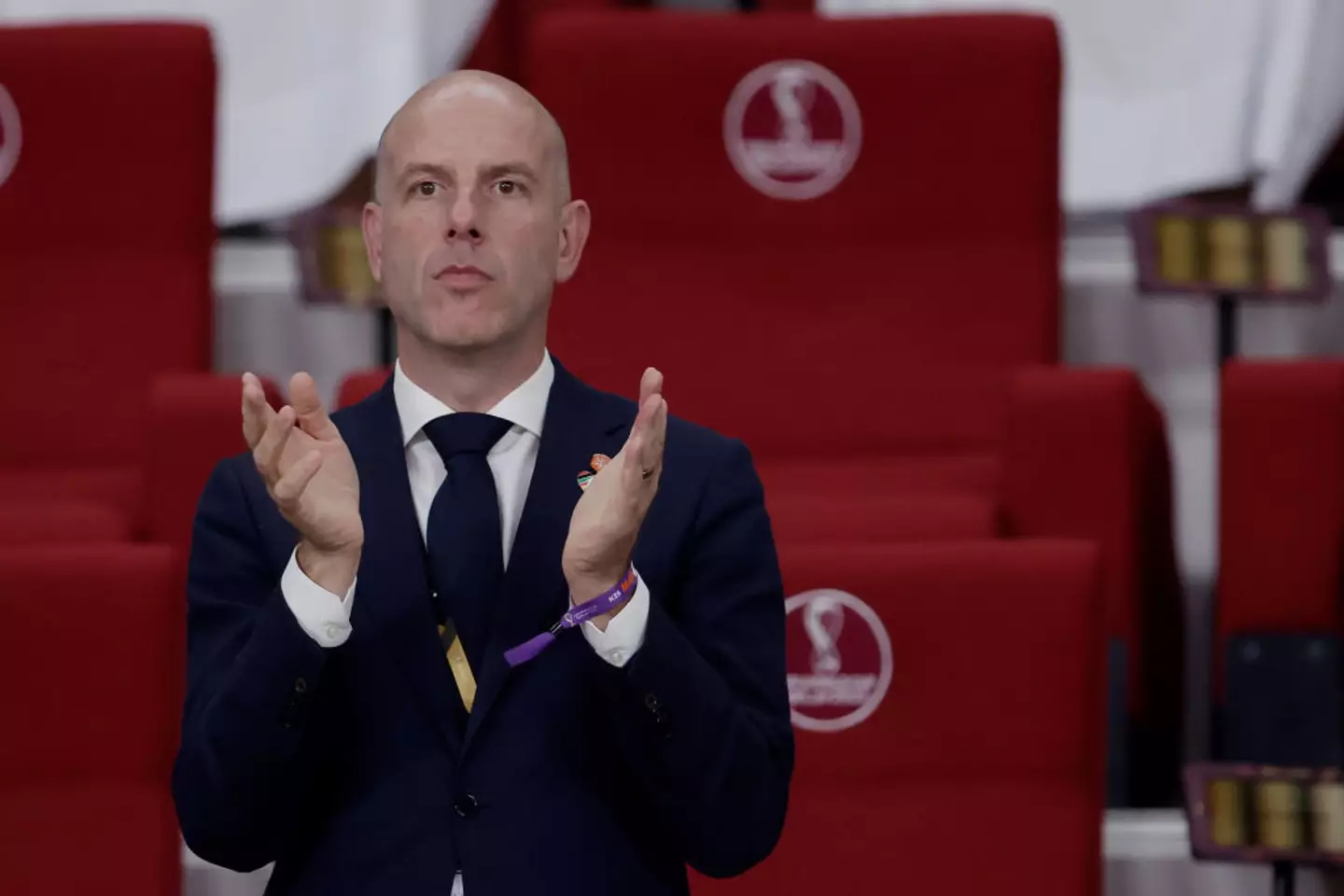
“We live in a rapidly changing world,” de Jong said, noting that the KNVB remains in close contact with international football authorities, the Dutch Ministry of Foreign Affairs, and embassies. He emphasised that flexibility has always been part of the federation’s approach when dealing with international tournaments under complex circumstances.
De Jong also underlined that the KNVB’s primary responsibility is sporting, not political. According to him, ensuring that players and staff can focus fully on their World Cup mission remains the top priority. While the association acknowledges broader social issues, it believes football can serve as a platform for dialogue rather than disengagement.
The statement further clarified that the KNVB will always follow official government guidance. If Dutch authorities, FIFA, or UEFA were to declare travel or participation unsafe or impermissible, the Netherlands would comply without hesitation. Until then, the federation intends to proceed as planned.
In practical terms, the message from the Dutch FA is unmistakable. While aware of the controversies surrounding the 2026 World Cup, the Netherlands has no intention of boycotting the tournament. For now, football remains central, and political protest will not come in the form of an empty spot on the World Cup stage.