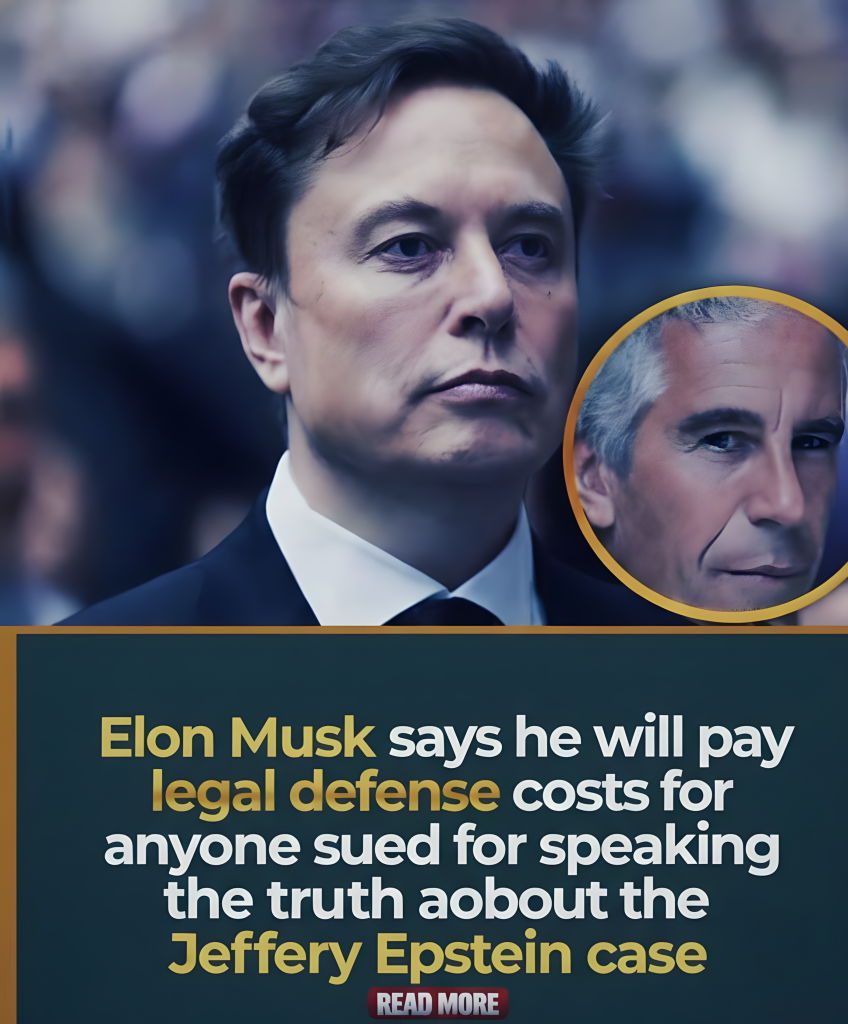
Elon Musk sparked intense online debate after stating that he would pay the legal defense costs for individuals who are sued for speaking what he describes as the “truth” regarding the Jeffrey Epstein case.
The statement, shared publicly on social media, quickly spread across platforms, drawing reactions from supporters, critics, legal observers, and media commentators. As of now, no formal legal framework, eligibility criteria, or written policy outlining how such support would work has been publicly released.
What Musk Actually Said — and What It Means
Musk’s comments were presented as a personal commitment rather than a legally binding program. Legal experts note that offering to cover defense costs does not determine the outcome of lawsuits and does not establish the accuracy of any specific claims.
The Epstein case itself involves a complex legal history, with many allegations, court documents, settlements, and ongoing public discussion. Courts, not social media statements, ultimately determine legal responsibility and factual findings.
Legal and Practical Considerations
Covering legal fees does not protect individuals from being sued, nor does it guarantee success in court. Defamation laws vary by jurisdiction, and repeating unverified or false claims can still carry legal risk regardless of outside financial support.
So far, Musk has not clarified:
- Who qualifies for coverage
- What claims would be supported
- Whether limits or conditions apply
- How disputes would be evaluated
Without those details, the statement remains informal and symbolic, rather than an operational legal initiative.
Public Reaction and Ongoing Scrutiny
The post triggered widespread discussion about free speech, accountability, and the role of influential figures in legal and social debates. Some praised the stance as a defense of open discussion, while others expressed concern about misinformation and legal responsibility.
At present, no confirmed cases have emerged of Musk formally funding legal defenses under this claim.
Professional Q&A Section