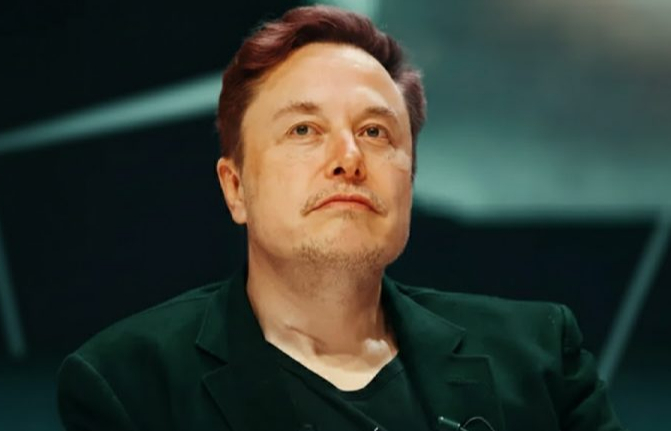
Elon Musk is once again shaking up the internet—this time with a bold claim about aging and immortality. The billionaire tech entrepreneur recently suggested that humans might one day be able to reverse aging and potentially live forever. As expected, his comments have sparked intense debate across science, technology, and social media circles.
Known for his futuristic thinking, Musk believes aging isn’t something humans must accept it’s a technical problem waiting to be solved.
Elon Musk’s Take on Reverse Aging
During a recent discussion, Musk explained that aging should be viewed as a form of biological damage, not an unavoidable fate. According to him, advances in artificial intelligence, biotechnology, and modern medicine could eventually allow scientists to repair that damage—slowing, stopping, or even reversing the aging process.
Musk compared the human body to software or hardware. Just like machines can be repaired, updated, or upgraded, he argues that human biology could be fixed using future medical technologies. This idea aligns with ongoing research in gene therapy, regenerative medicine, and AI-driven drug discovery.
He also reminded audiences that many groundbreaking technologies—such as electric vehicles, reusable rockets, and advanced AI—were once dismissed as science fiction.
Can Humans Really Live Forever?
While Elon Musk’s reverse aging claims sound futuristic, scientists are already studying ways to extend human lifespan. Research on telomeres, cellular regeneration, and age-related diseases has shown promising early results.
However, most experts agree that true biological immortality is still far beyond current science. Even so, Musk believes rapid technological growth could accelerate discoveries faster than expected. He has suggested that within a few decades, humans might live hundreds of years, if not longer.
The discussion has reignited global fascination with longevity—a topic that sits at the crossroads of science, philosophy, and human ambition.
Ethical Questions Around Living Forever
Musk also acknowledged that immortality comes with serious challenges. If humans stop aging, problems like overpopulation, limited resources, and social inequality could become major concerns.
Critics argue that life’s meaning is deeply connected to its limited time span. Others fear that anti-aging technology would initially be available only to the wealthy, widening the gap between social classes.
Musk counters this by pointing out that most technologies become affordable over time—just like smartphones and internet access did.
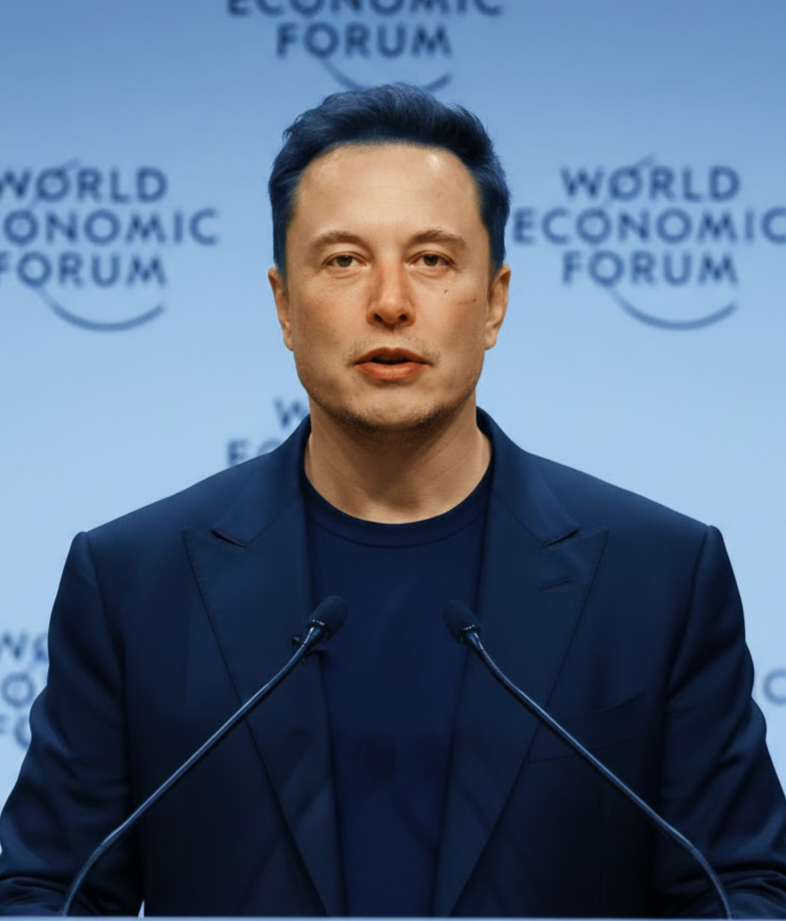
Elon Musk’s History of Big Predictions
This isn’t the first time Musk has made headlines with ambitious ideas. From colonizing Mars to merging humans with AI, his predictions often push the limits of what feels possible.
Some of his visions have become reality faster than expected, while others remain speculative. The Elon Musk reverse aging concept currently sits in that gray area—fascinating, controversial, and heavily debated.
Still, his influence ensures that conversations around aging and longevity stay in the public spotlight.
What Scientists Say
Many researchers appreciate Musk’s enthusiasm but warn against oversimplifying aging. Medical experts stress that aging is a complex biological process influenced by genetics, environment, and lifestyle.
Institutions like Harvard Medical School and the National Institute on Aging note that while extending lifespan is achievable, fully reversing aging remains theoretical.
Final Thoughts
Whether realistic or not, Elon Musk’s reverse aging claims reflect humanity’s growing obsession with controlling biology and extending life. While living forever may still belong to science fiction, research suggests that longer, healthier lives could become a reality in the future.
For now, Musk’s ideas remind us of one thing: today’s impossible concepts often become tomorrow’s breakthroughs.