

Floyd Mayweather Jr. built his empire on precision — precision punching, precision defense, precision business moves. For more than two decades, the undefeated boxing icon carefully controlled his image, his brand, and his earning power. He walked away from the sport 50-0, widely recognized as one of the highest-paid athletes in history, generating well over a billion dollars during his legendary career.
But now, Mayweather says something doesn’t add up.
In a bombshell lawsuit filed in California and obtained by media outlets, the retired champion is suing Showtime and former Showtime Sports president Stephen Espinoza, accusing them of playing a key role in a financial scheme that allegedly cost him hundreds of millions of dollars. According to the filing, Mayweather claims massive portions of his career earnings are “missing,” unaccounted for, and potentially funneled away through a system he trusted for years.
At the center of the dispute is Mayweather’s longtime adviser, Al Haymon — a powerful and influential figure in boxing who worked closely with Mayweather for more than a decade. Although Haymon is a central figure in the allegations, he is notably not named as a defendant in the lawsuit. Instead, Mayweather alleges Showtime and Espinoza provided “substantial assistance and participation” that allowed the alleged misconduct to occur.
The lawsuit paints a picture of what Mayweather describes as a long-running and highly sophisticated financial operation. He claims that during the peak of his career — including some of the most lucrative fights in sports history — large sums of money meant for him were routed through accounts allegedly controlled or influenced by Haymon. According to Mayweather, this setup allowed funds to be diverted without his knowledge or informed consent.

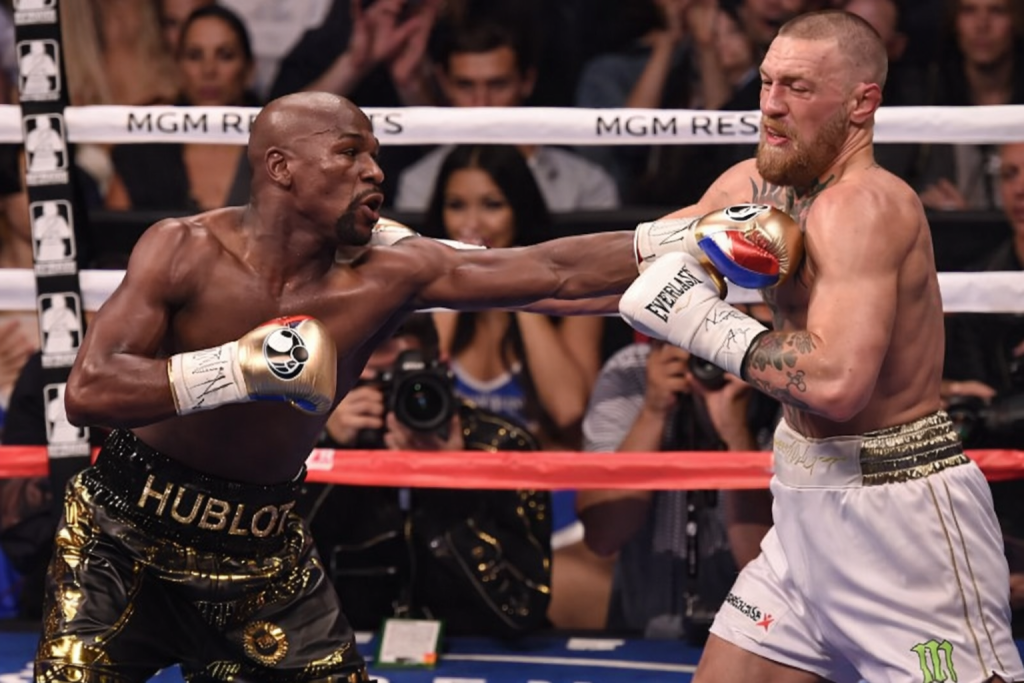
Among the events referenced in the suit are blockbuster bouts like the Manny Pacquiao superfight and the crossover spectacle against Conor McGregor — events that generated astronomical pay-per-view revenue and helped cement Mayweather’s financial legend. Mayweather contends that instead of payments flowing directly and transparently to him, Showtime allegedly sent funds into financial channels that placed Haymon in effective control of the money.
The lawsuit claims the total amount misappropriated reaches approximately $340 million, a staggering figure even by Mayweather’s standards. Mayweather alleges the funds remain unaccounted for to this day.
The situation reportedly came to a head years later, after Mayweather ended his working relationship with Haymon and brought in new management. When his new team requested access to Showtime’s financial records to reconcile payments, Mayweather claims they were told the documents were unavailable — allegedly due to records being “lost in a flood” or otherwise inaccessible.
That explanation, according to the lawsuit, only deepened concerns and raised red flags about how his finances were handled during his most profitable years.
As a result, Mayweather is suing Showtime and Espinoza on multiple serious counts, including aiding and abetting breach of fiduciary duty, civil conspiracy to commit fraud, conversion, and unjust enrichment. In addition to the alleged $340 million in missing funds, Mayweather is also seeking punitive damages, signaling that this legal battle could escalate far beyond reimbursement alone.
The lawsuit underscores a striking contrast: while Mayweather is globally known as a master of self-promotion and financial confidence, he now claims that behind the scenes, trust and transparency were compromised by the very institutions that helped broadcast his biggest moments.
Mayweather’s legal team is not mincing words.
His attorney, Bobby Samini, expressed confidence in the case and framed the lawsuit as another fight Mayweather fully intends to win. Samini emphasized that Mayweather was one of Showtime’s most valuable assets, responsible for generating hundreds of millions of dollars in revenue for the network through record-breaking pay-per-view events.
According to Samini, Mayweather’s move to the courtroom is about accountability and reclaiming what was earned through blood, discipline, and unmatched drawing power.
“Floyd Mayweather didn’t just fight in the ring — he built an industry around himself,” the attorney stated. “Now, he’s taking that same undefeated mindset into the legal arena.”
For Showtime, the lawsuit represents a potentially damaging challenge, particularly given its long-standing association with Mayweather’s success. Espinoza, who served as a highly visible executive face of Showtime Sports during Mayweather’s reign, is directly named as a defendant — a rare and serious development in sports litigation.

As of now, Showtime has not publicly responded in detail to the allegations.
For Mayweather, the case is not just about money. It’s about control, legacy, and principle. After years of portraying himself as the ultimate example of an athlete who “did it his way,” Mayweather is now alleging that critical elements of his financial empire were quietly undermined.
Whether the lawsuit ultimately results in recovered funds or exposes deeper truths about the business side of boxing remains to be seen. What’s certain is that Floyd Mayweather, long retired from the ring, has entered another high-stakes fight — one where the gloves are off, the spotlight is back on, and the numbers involved are just as jaw-dropping as anything he earned on fight night.
And just like always, Mayweather is betting on himself to go the distance.