J. Cole is finally owning one of the most talked-about moments of his career — the time he stepped into a lyrical face-off with Kendrick Lamar, immediately backed out, and shocked the hip-hop world by apologizing. And according to Cole himself, that decision didn’t weaken him at all. If anything, it made him sharper, tougher, and more dangerous.
The rapper revisits the controversial chapter on his new track “Bronx Zoo Freestyle,” released Tuesday as part of his freshly dropped mixtape Birthday Blizzard ’26. Instead of dodging the past, Cole leans into it — reflecting on the diss, the apology, the backlash, and the unexpected clarity that followed.
When Respect Turned Into Tension
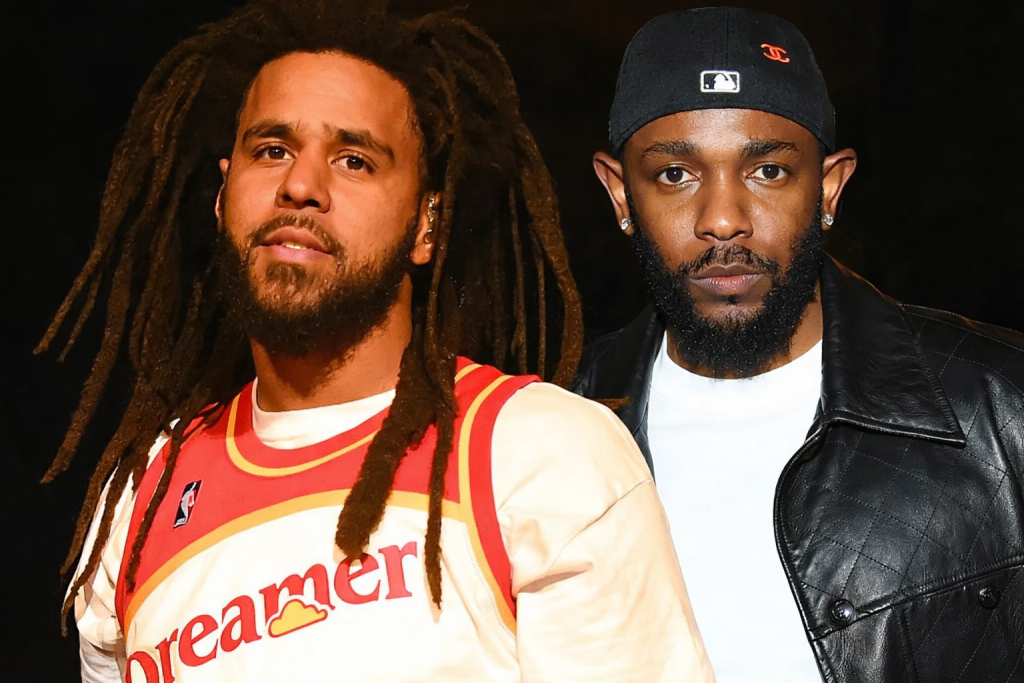
Cole and Kendrick Lamar were once viewed as rap peers — artists cut from the same cloth, respected for lyricism, substance, and longevity. That dynamic shifted in late 2023 when Cole appeared on Drake’s First Person Shooter and famously labeled himself, Drake, and Kendrick as the “Big 3” of modern hip-hop.
At the time, it sounded like praise.
Kendrick didn’t take it that way.
In early 2024, Kendrick torched the idea on Metro Boomin and Future’s Like That, delivering the now-iconic line: “Motherf* the Big 3.”** The message was clear — no shared throne, no friendly competition, and definitely no co-sign.
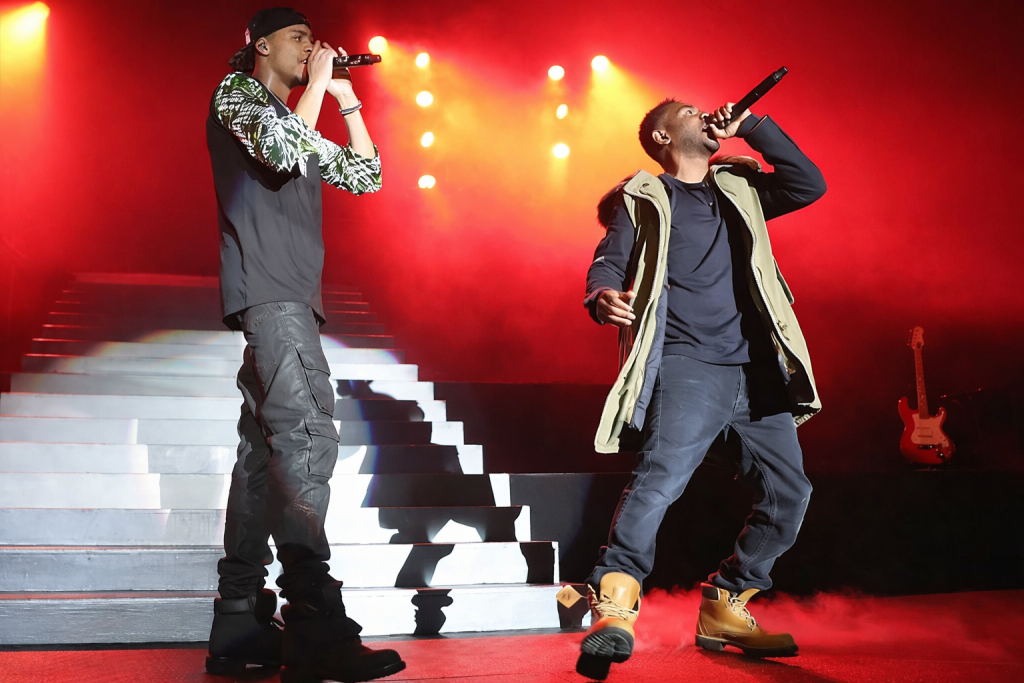
That verse kicked off a high-profile feud with Drake that still hasn’t cooled down — and suddenly, Cole found himself standing uncomfortably in the middle.
Cole Fires Back… Then Hits the Brakes
Cole eventually responded with “7 Minute Drill,” a track that took aim at Kendrick’s catalog and questioned the excitement around his music. For fans, it was unexpected — not because Cole couldn’t rap, but because the diss felt out of character.
And Cole felt it too.
Just days later, while performing at the 2024 Dreamville Festival, Cole stunned fans by publicly apologizing to Kendrick. He didn’t hedge. He didn’t explain it away. He straight-up called the diss “the lamest s* I ever did in my f*ing life,” according to Rolling Stone.
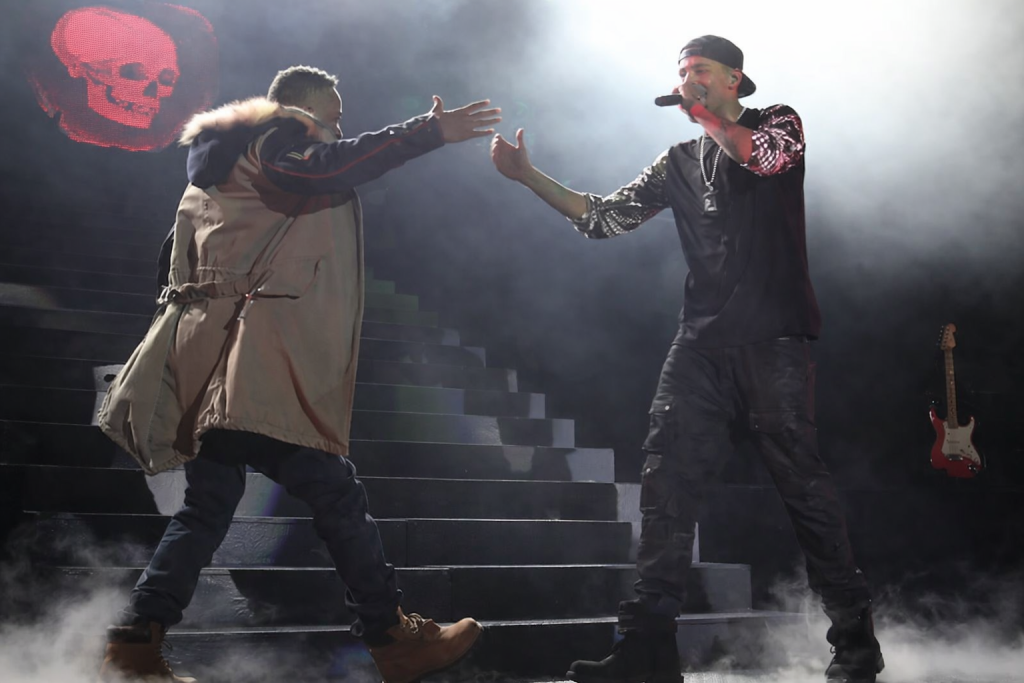
In a culture where backing down is often treated as career suicide, the apology sent shockwaves through hip-hop.
Some applauded the maturity. Others accused Cole of folding under pressure. Rankings shifted. Debates exploded. And for the first time in years, Cole’s place in the rap hierarchy was openly questioned.
“That Apology Dropped Me Out the Top 3”
On “Bronx Zoo Freestyle,” Cole doesn’t deny the fallout. He admits the apology cost him — big time.
He raps that saying sorry “dropped me way out of the Top 3,” acknowledging that fans, critics, and even fellow artists viewed the move as weakness.
But instead of sounding bitter, Cole sounds liberated.
According to him, being at the top came with expectations, noise, and pressure that didn’t serve his creativity. Stepping away from that pedestal — even involuntarily — forced him to reconnect with the hunger that fueled him in the first place.
He explains that after jumping off the throne, he landed back at the bottom — a place where he wasn’t constantly ranked, praised, or debated. And that’s where the real work started again.
In his words, he chose to rebuild from a position where people stopped expecting greatness — just so he could surpass those expectations all over again.
Thriving When the Doubt Is Loudest
One of the most telling moments on the track is Cole’s insistence that doubt brings out his best work. When people stop counting him in, he locks in. When the applause fades, the focus sharpens.
Rather than clinging to the “Big 3” label, Cole seems content letting the world debate it without him. He’s no longer chasing validation — he’s chasing purpose.
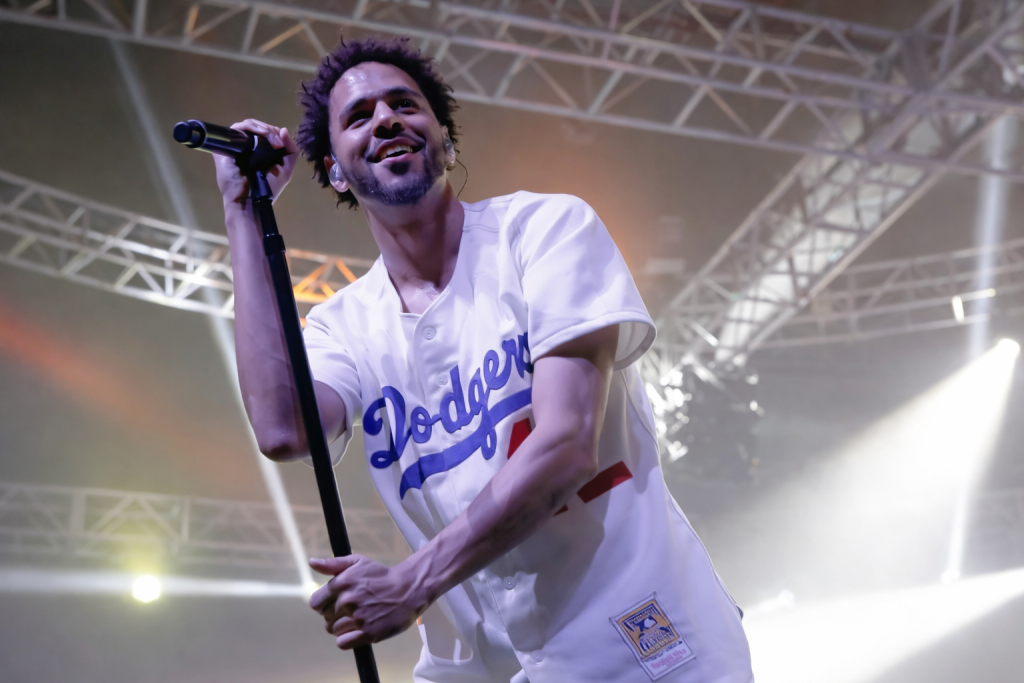
And notably, there’s no renewed attack on Kendrick. No sneak disses. No unresolved hostility. Cole doesn’t sound angry — he sounds settled.
That silence might be the loudest statement of all.
All Eyes on The Fall-Off
This moment of reflection arrives just ahead of Cole’s highly anticipated album “The Fall-Off,” which is scheduled to drop Friday. The project has been teased for years and is rumored to mark a major turning point — possibly even the final chapter — in Cole’s album run.
Whether Kendrick Lamar is mentioned again remains unclear. For now, Cole seems more focused on evolution than retaliation.
No rankings.
No scorekeeping.
No ego battles.
Just growth.
In an era where rap beef often drags on endlessly, Cole’s story stands out — not because he won a war, but because he walked away from one and learned something in the process.
And if Birthday Blizzard ’26 is any indication, the version of J. Cole that emerged from that moment might be quieter — but he’s also more confident, more focused, and more dangerous than ever.
Sometimes, eating your words isn’t a loss.
Sometimes, it’s the beginning of your strongest chapter yet.