
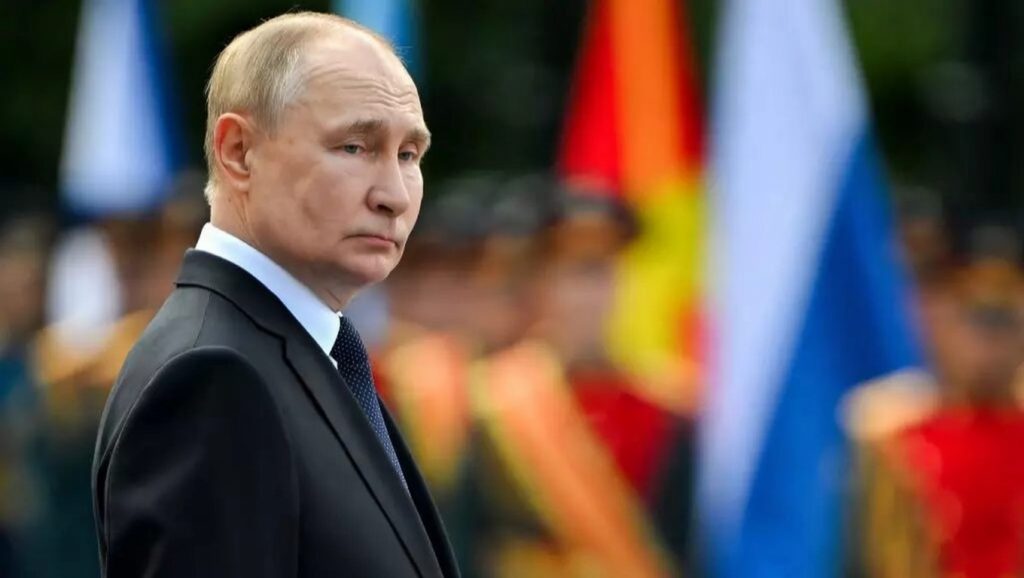
Russian state television has once again aired ominous rhetoric about a potential World War Three scenario, with prominent Kremlin propagandist Vladimir Solovyov openly suggesting that Russia could strike parts of Europe without fear of retaliation from the United States. The remarks, broadcast on state-controlled media, reflect a growing confidence in Moscow that Western unity—particularly transatlantic solidarity—is weakening.
Solovyov, one of Vladimir Putin’s most reliable media allies, framed his comments around what he claimed was a strategic vacuum created by Washington’s strained relationship with Europe. According to him, the United States has effectively “abandoned” the continent, leaving European states exposed and vulnerable to Russian aggression. His statements were delivered not as speculation, but as certainty, reinforcing a long-running narrative that NATO’s deterrence is hollow.
The comments come amid visible tension between the US and its European allies, fueled by the Trump administration’s confrontational posture on several fronts. Recent disputes, including controversial rhetoric surrounding Greenland and persistent criticism of NATO burden-sharing, have intensified doubts in Europe about America’s long-term reliability as a security guarantor. Although Donald Trump has ruled out the use of force in some cases, his frequent reversals have made such assurances feel fragile.
This perceived uncertainty has been met with enthusiasm in Moscow. Solovyov has repeatedly argued that Russia now enjoys greater freedom of action, claiming that Washington would hesitate—or outright refuse—to intervene militarily if Europe were attacked. On air, he went as far as to suggest Russia could “choose any point” in Europe to strike, confident that no American response would follow.
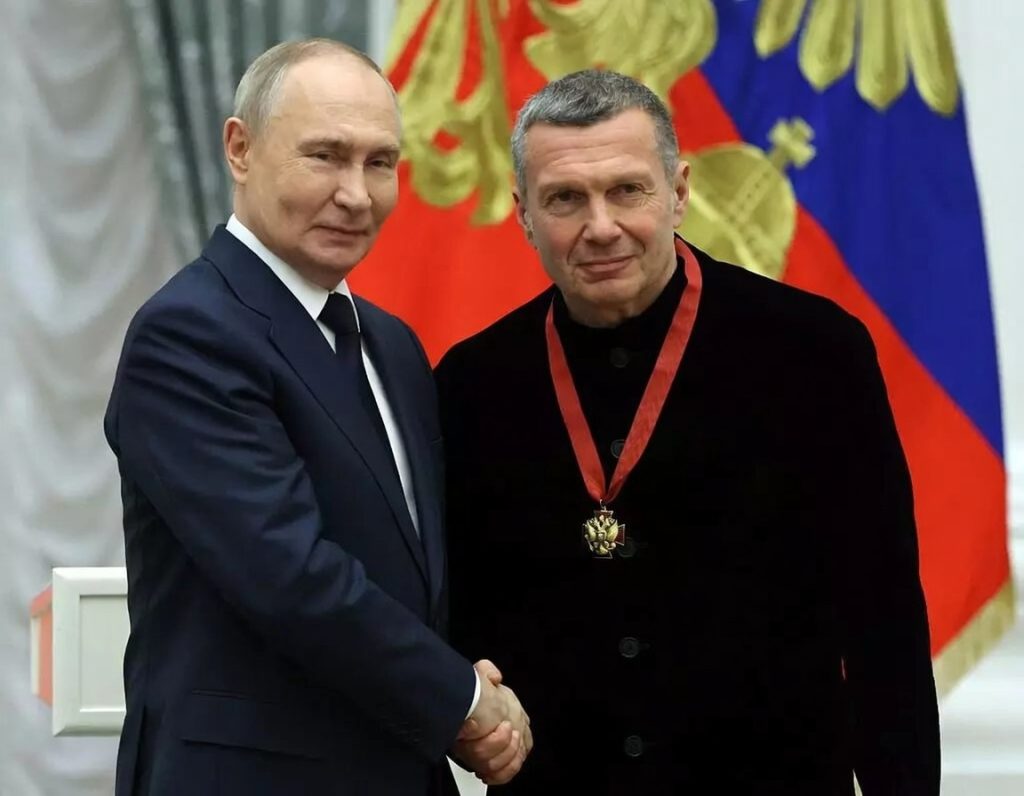
Alongside these threats, Solovyov accused Western leaders of provoking escalation by continuing to support Ukraine. He described Kyiv as a “dead city,” a claim contradicted by reality, as Ukraine’s capital remains fully operational despite sustained attacks. As with much Russian state messaging, responsibility for the war was deflected outward, portraying Russia as reactive rather than aggressive.
This framing ignores the fact that Russia launched the largest European conflict since World War Two by invading a neighboring sovereign state—an invasion initially described by the Kremlin as a three-day “special military operation.” Years later, the war continues, with devastating human and economic costs. Yet in Russian propaganda, escalation is consistently blamed on Western assistance rather than Moscow’s own actions.
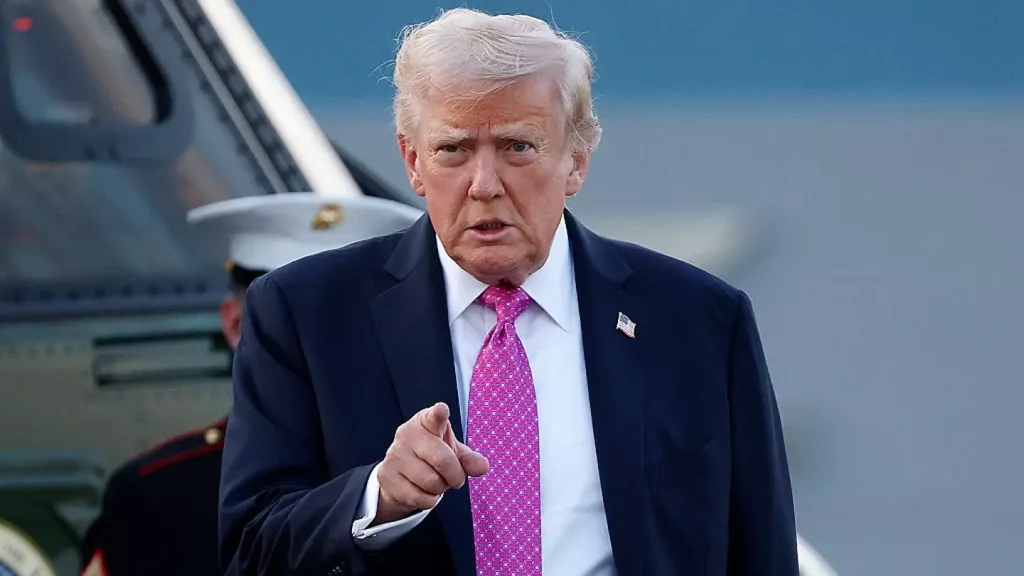
Most European countries are members of NATO and would expect collective defense under Article 5 if attacked. However, Trump’s recent comments have injected uncertainty into that assumption. Speaking at the World Economic Forum, he questioned whether NATO allies would come to America’s aid, despite the fact that the alliance’s only invocation of Article 5 occurred after the 9/11 attacks—in defense of the United States.
Trump also drew sharp criticism after falsely claiming that NATO troops had stayed “off the frontlines” in Afghanistan. Leaders across Europe pushed back strongly, noting the lives lost by allied forces during the conflict. UK Prime Minister Sir Keir Starmer described the remarks as “insulting and frankly appalling,” highlighting the damage such statements can do to alliance cohesion.
While Trump later praised British troops as “among the greatest of all warriors,” the absence of an apology did little to calm concerns. For Russian commentators like Solovyov, these fractures are not just talking points—they are seen as strategic opportunities, exploited through threats designed to unsettle Europe and test the limits of Western resolve.