
To talk about American soft power less than a year after Joseph Nye’s death feels like both a tribute and a warning. Nye didn’t just popularize the term; he defined an entire way of understanding global influence. Hard power relies on force and economic pressure—the sticks and carrots of diplomacy. Soft power, on the other hand, is more subtle. It’s the ability to shape what others want, so they choose your path willingly. It grows from culture, political values, and foreign policies that others see as legitimate.
Today, that attraction appears to be fading. At gatherings like the Munich Security Conference, the decline in America’s global appeal is hard to ignore. Speeches and policies that once symbolized shared democratic values are now viewed by many allies as confrontational or inconsistent. The sense among European partners is that the United States they once aligned with has changed course, and with that shift, its soft power has weakened.
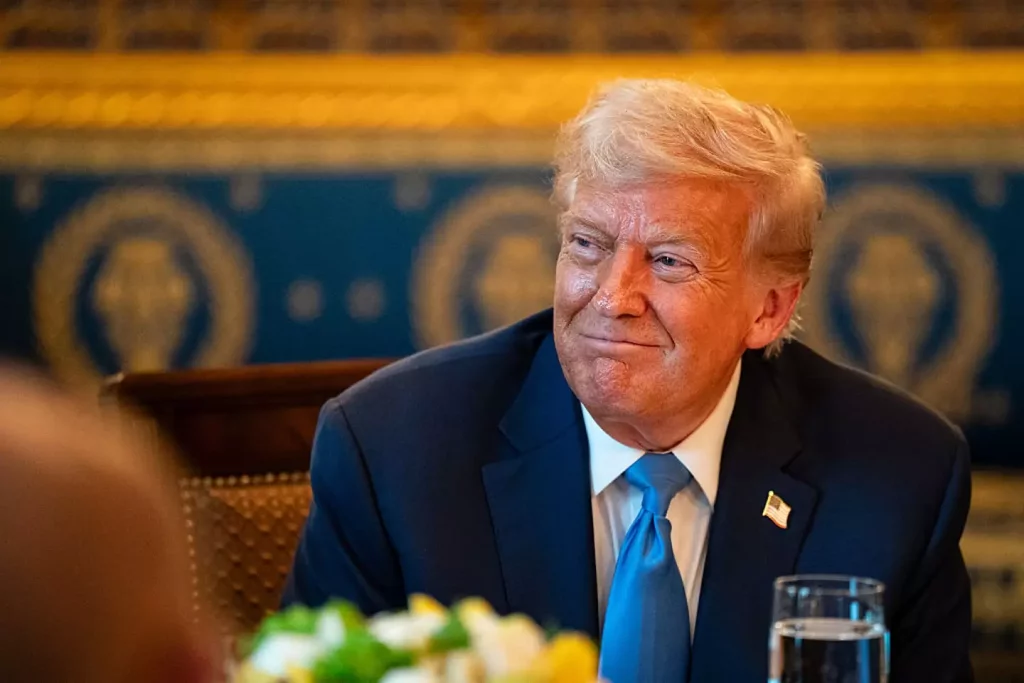
Nye always stressed that soft power isn’t the same as persuasion. It’s deeper. It’s about shaping preferences. When a country’s culture inspires, its values hold up under scrutiny, and its foreign policy is seen as moral, others naturally gravitate toward it. This attraction makes coalition-building easier. Nations that admire your system are more likely to trust your intentions and support your goals.
But recent developments suggest that this trust is eroding. Travelers report a colder reception abroad. Allies voice disappointment, even grief, over what they see as America’s retreat from its traditional principles. Analysts have pointed to rising reliance on coercion, strained alliances, withdrawal from international institutions, and reduced emphasis on democracy and human rights. At the same time, restrictions on trade, research, and immigration have chipped away at America’s image as an open and innovative society. Each of these moves has created opportunities for China to step into the vacuum.
Polling data in Europe highlights the shift. In several countries that once stood firmly alongside Washington, only a small fraction of citizens now see the United States as an ally. More view it as a rival. The shared liberal vision that once anchored transatlantic cooperation appears to be fading. When a country no longer seems to live up to the values it promotes, its ability to inspire others declines just as quickly.
Yet the story looks different in parts of the Global South. In countries like Brazil, India, Turkey, and South Africa, public opinion toward the United States has not fallen as sharply. Many of these nations see opportunity in a multipolar world where they can engage both Washington and Beijing. For them, the United States was never an unquestioned moral leader, so the recent changes feel less like a betrayal and more like a strategic shift.
The real question is whether declining soft power actually matters. In practical terms, it does. When allies feel less attracted to your leadership, building coalitions becomes harder and more expensive. Coordinated efforts on security, trade, and global governance require trust. Without it, every agreement demands more pressure, more incentives, and more effort.
Ultimately, soft power depends on what a nation stands for and how convincingly it lives up to those ideals. Values can be reinterpreted, but their credibility rests on consistency. For decades, the United States projected an image built on liberty, equality, and the rule of law. As that image changes, so does the world’s response. Attraction is never guaranteed. It has to be earned—and re-earned—again and again.