
What Is Groundhog Day and Why Is It Celebrated?
Every year on February 2, thousands gather in Punxsutawney, Pennsylvania, to watch a groundhog predict the weather. Known as Groundhog Day, the tradition centers on whether Punxsutawney Phil sees his shadow — signaling six more weeks of winter.
The History of Groundhog Day and Its Ancient Origins
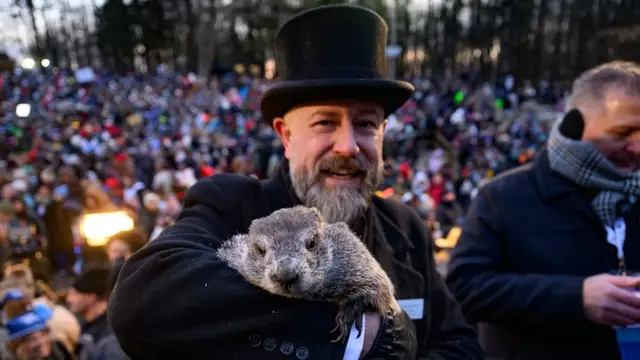
The history of Groundhog Day dates back centuries to Candlemas, a Christian holiday observed on February 2. Folklore suggested that clear weather on this day meant winter would last longer, while cloudy skies hinted at an early spring.
How German Folklore Shaped the Tradition
In Germany, the superstition evolved to include an animal weather predictor — originally a hedgehog. When German settlers brought the tradition to America, hedgehogs were scarce, so the groundhog became the natural replacement.
The Rise of Punxsutawney Phil
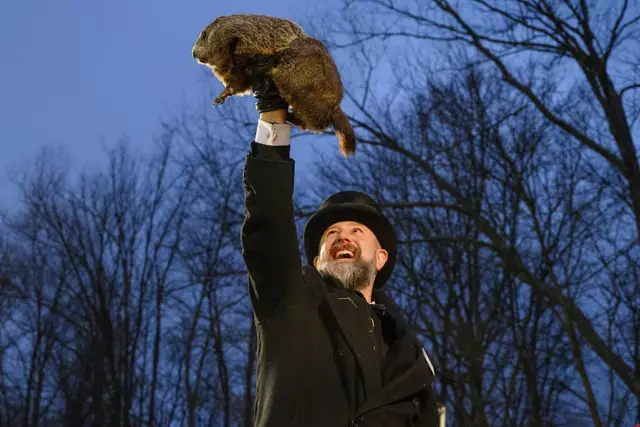
Punxsutawney officially entered Groundhog Day history in 1886, when a local newspaper documented the first celebration at Gobbler’s Knob. The event quickly grew into an annual spectacle.
What Did Punxsutawney Phil Predict for 2026?
In 2026, Punxsutawney Phil saw his shadow, predicting six more weeks of winter — a result that has become tradition itself.
Why Groundhog Day Still Matters Today
Despite its questionable accuracy, Groundhog Day endures as a cultural curiosity rooted in folklore, humor, and tradition.