
Introduction
Social media users are accustomed to discovering new influencers seemingly overnight, but few stories have unfolded as dramatically as the online rise of AI influencer Nia Noir. What began as admiration for a stunning digital personality quickly turned into widespread debate when internet investigators began questioning whether she was real at all. This situation has since become a striking example of how artificial intelligence is reshaping online identity, trust, and influence. Nia Noir’s story highlights the growing intersection of technology and culture, revealing both the opportunities and challenges of a world where AI influencers can gain fame and amass large followings as quickly as traditional social media personalities.
How Nia Noir Captured the Internet’s Attention
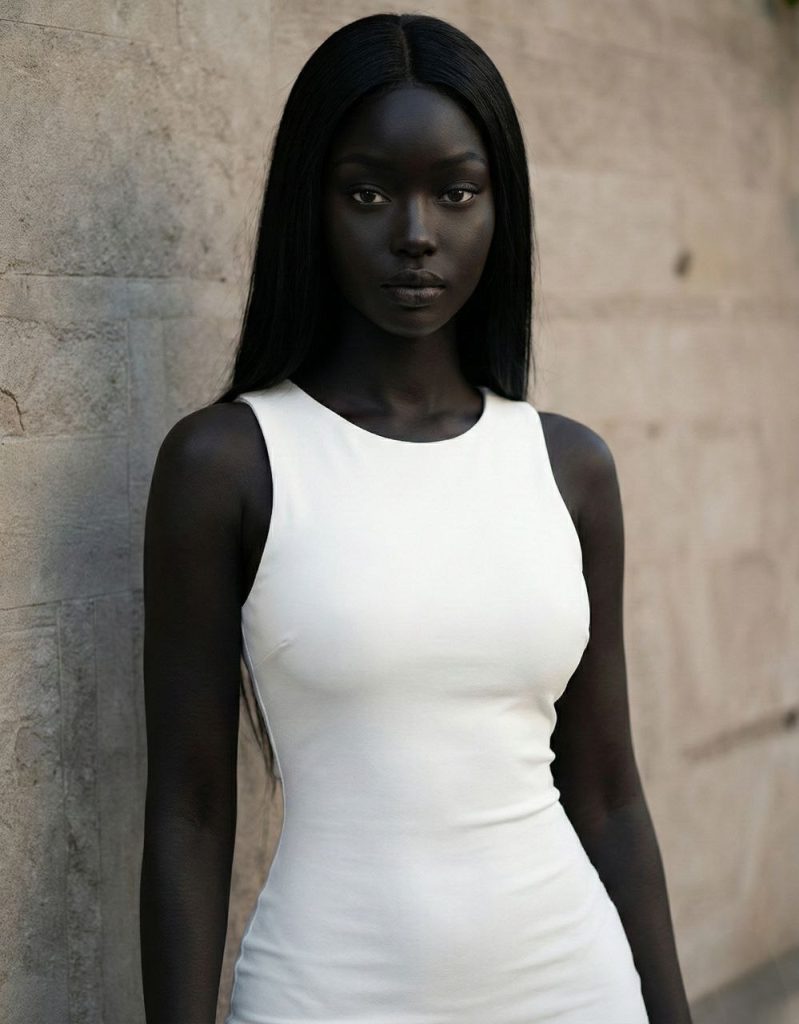
Nia Noir initially gained momentum through short-form videos and carefully curated images shared across major platforms like TikTok and Instagram. Her content featured confident poses, polished aesthetics, and lifestyle visuals that appeared natural and relatable to viewers. Within a short period, her accounts attracted millions of followers, with comment sections filling with praise for her beauty, fashion sense, and screen presence. Many users believed they were witnessing the rise of a new social media star with potential in fashion, modeling, or digital entertainment. The account’s growth seemed organic, fueled by a mix of aspirational content and relatable storytelling that resonated with a wide audience.

The First Signs That Sparked Doubt
As her popularity grew, some viewers began noticing subtle inconsistencies that didn’t align with expectations of real, unedited human content. Observers reported irregular hand shapes, shifting body proportions, and movements that appeared slightly unnatural. Background elements and accessories sometimes changed between posts without explanation, and devices or objects in her surroundings occasionally appeared inconsistent. These subtle anomalies raised early questions about the authenticity of the content, prompting more in-depth scrutiny from the growing community of followers and online investigators.
Growing Online Investigation and Analysis
Skepticism soon intensified as online communities began analyzing her videos frame by frame. Comparisons between different uploads revealed repeated visual patterns and anomalies often associated with AI-generated imagery. Some clips appeared stylistically similar to content produced by unrelated creators, suggesting that source material might have been digitally adapted or synthesized rather than filmed by a real person. These observations quickly circulated across forums, comment threads, and social media discussions, fueling debate and speculation about whether Nia Noir was a genuine human influencer or a sophisticated AI creation.
The AI Revelation and Public Reaction
Eventually, the consensus among digital analysts and many everyday users shifted toward a striking conclusion: Nia Noir was likely an artificial creation rather than a real individual. This revelation surprised many followers who had formed a sense of connection with the account. Public reactions were mixed—some users felt deceived and disappointed, while others saw the situation as inevitable given the rapid advancement of generative AI tools capable of producing lifelike visuals. For many, the incident prompted reflection on how easily AI-generated personas can manipulate perception and build influence online.
What This Means for AI and Social Media
The Nia Noir controversy underscores that generative AI and deepfake technologies are no longer experimental novelties. These tools can now create highly realistic digital personas capable of amassing large followings in a short time. As AI-generated figures become more prevalent, the line between human creators and digital identities continues to blur, raising important questions about transparency, disclosure, and platform regulation. Social media companies may need to establish clearer policies to ensure users know when an account is AI-driven rather than human-operated, protecting both creators and audiences from potential deception.
Monetization and Ethical Concerns
One of the most debated aspects of the case involves monetization. Reports indicate that some AI-driven accounts generate income through subscriptions, premium content, or brand partnerships. When followers believe they are supporting a real person but are instead engaging with an undisclosed AI creation, ethical concerns naturally arise. Many users and experts are calling for stricter labeling requirements and more transparent practices to ensure audiences can make informed decisions about who—or what—they are supporting online.
A Turning Point for Digital Trust
The exposure of Nia Noir has sparked broader conversations about authenticity in online spaces. As AI technology continues to improve, users may need to approach flawless or unusually consistent content with greater skepticism. Experts emphasize that increased media literacy, critical thinking, and platform accountability will be essential to maintaining trust in digital communities. Understanding examples like Nia Noir helps users navigate the evolving online landscape with caution, clarity, and confidence.
Conclusion
The story of Nia Noir extends beyond a single viral account—it reflects a larger cultural and technological shift in how online influence is created and perceived. Her rise and subsequent exposure serve as a reminder that popularity does not always equate to authenticity. As artificial intelligence continues to evolve, transparency and awareness will play a critical role in shaping the future of social media. For users, creators, and platforms alike, the key takeaway is clear: understanding and adapting to the growing presence of AI-generated content is essential for maintaining trust, ethical engagement, and meaningful digital interactions.