
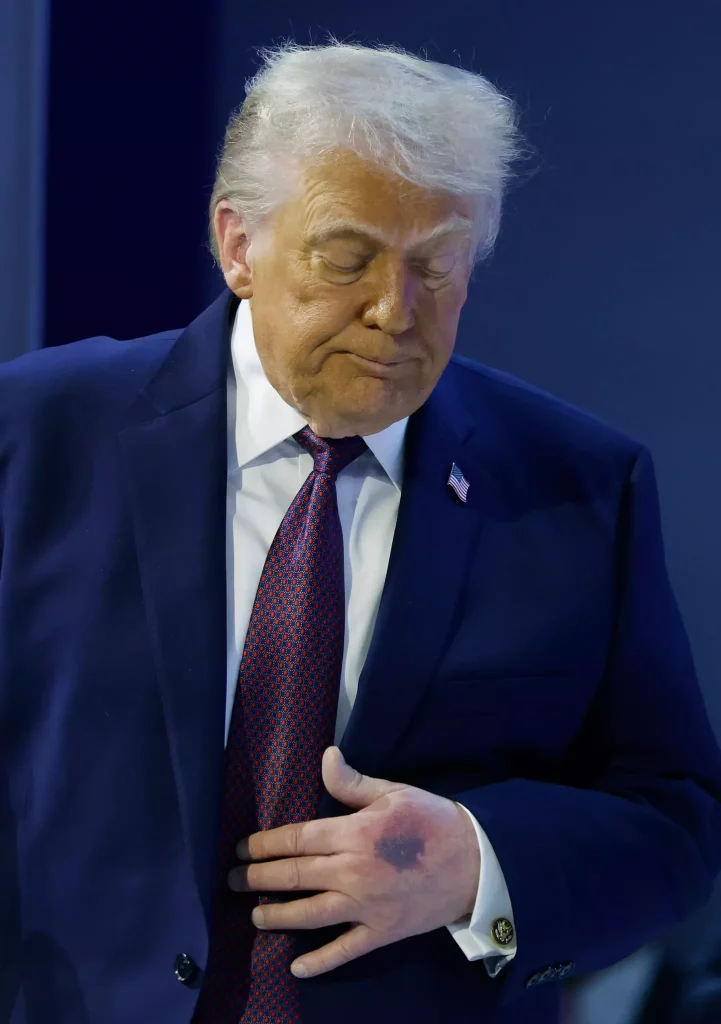
Donald Trump has once again ignited global debate after outlining his latest push to acquire Greenland, insisting that while the United States is serious about negotiations, military force is officially off the table.
Speaking at the World Economic Forum in Davos on Wednesday (21 January), the US President said he was seeking “immediate negotiations” over Greenland, framing the move as both a historical precedent and a strategic necessity. Despite previous remarks that left allies uneasy, Trump attempted to reassure NATO partners by making it clear that he does not intend to use force to get what he wants.
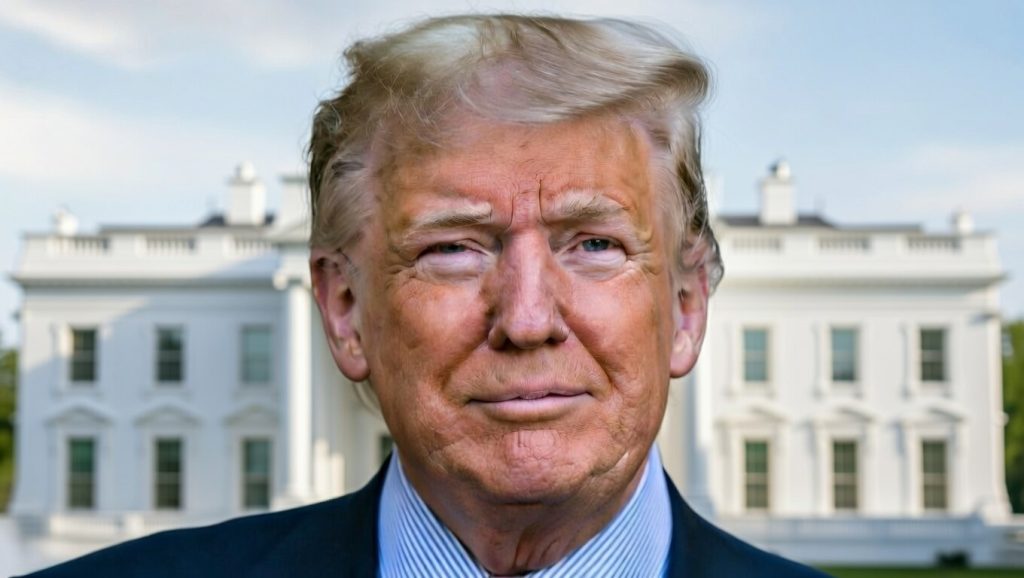
Trump’s comments come just days after he issued what many described as an “ominous” response when asked how far he would go to secure Greenland. At the time, he suggested the world would “find out,” sparking fears of military escalation. This time, however, the tone shifted—at least on the surface.
During his Davos speech, Trump argued that acquiring Greenland would strengthen NATO rather than undermine it. “This would not be a threat to NATO,” he said. “This would greatly enhance the security of the alliance.” He compared the proposal to historical territorial acquisitions by both the United States and European powers, framing it as a natural extension of geopolitical evolution.
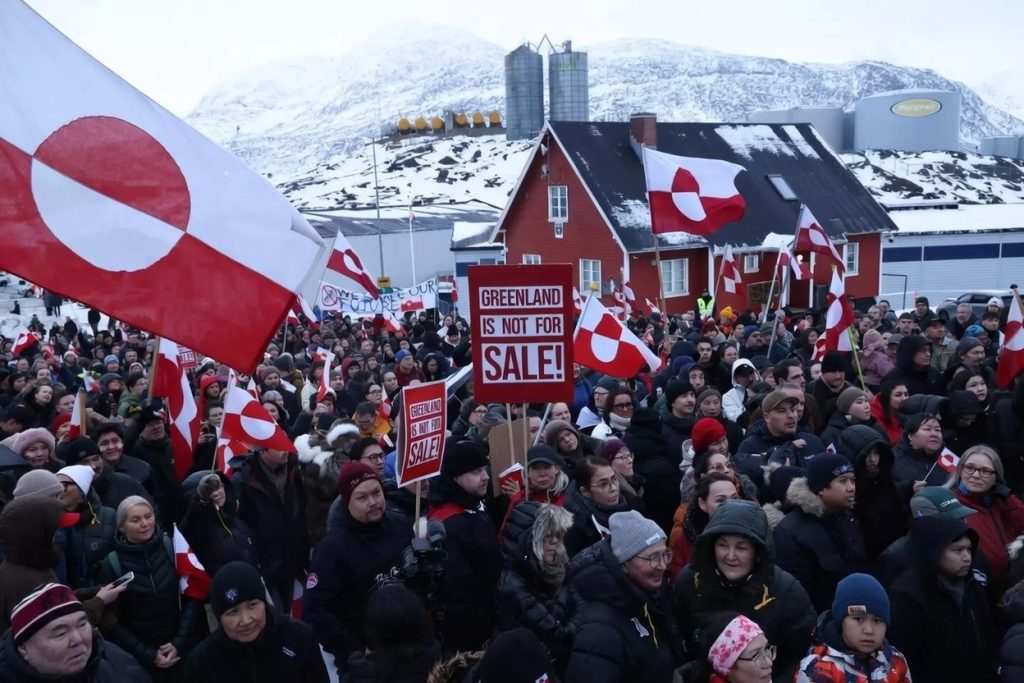
Despite ruling out force, Trump did not shy away from emphasizing America’s military superiority. “We won’t get anything unless I decide to use excessive force—we’d be unstoppable,” he said, before quickly adding that he would not take that route. “I don’t have to use force. I don’t want to use force. I won’t use force.”
The remarks appeared carefully calibrated, as Trump acknowledged public concern over the possibility of armed intervention. “That’s probably the biggest statement I made,” he told the audience. “People thought I would use force. I don’t want to.”
Trump then pivoted to what he described as the United States’ unique ability to “develop” and “improve” Greenland if it were to come under American control. He portrayed the vast Arctic territory as underutilized and inadequately protected, claiming only the US could secure it effectively.
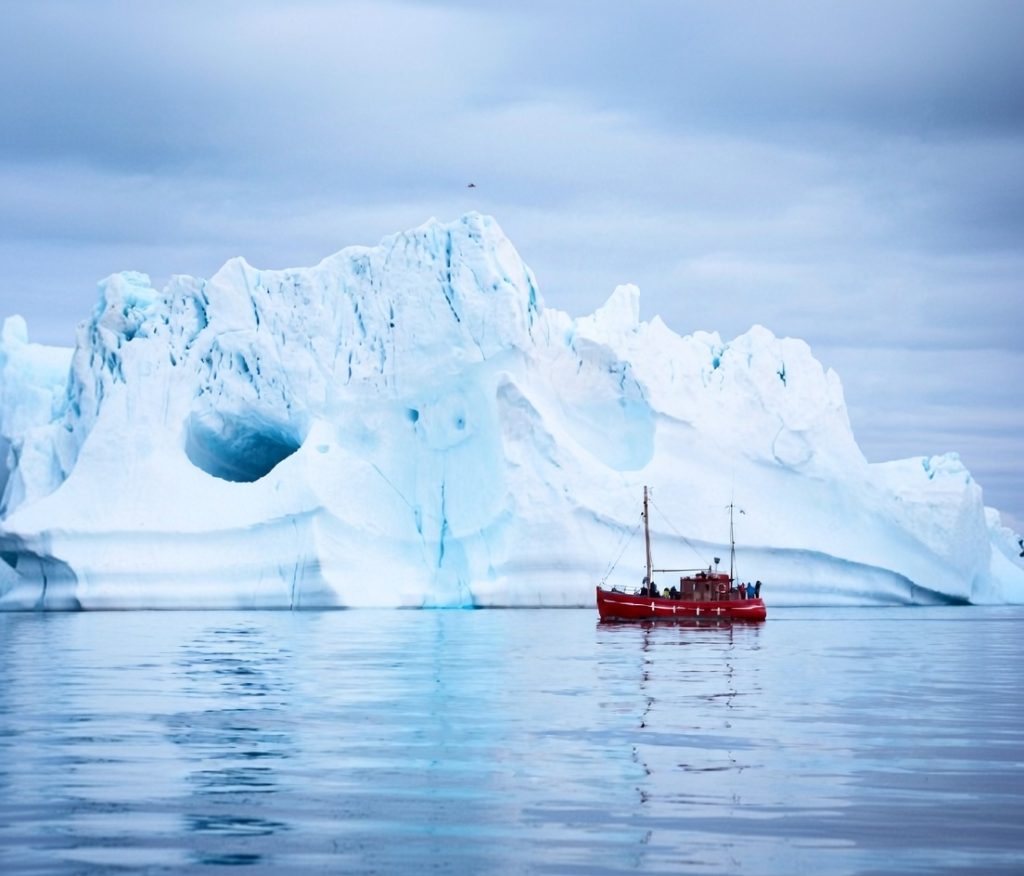
“It’s the United States alone that can protect this giant mass of land, this giant piece of ice,” Trump said. “We can develop it, improve it, make it safe for Europe and good for us.” The president framed Greenland not as a burden, but as a strategic asset with global implications.
Elsewhere in his remarks, Trump took aim at Denmark, accusing the country of ingratitude despite America’s role in defending both Denmark and Greenland during the Second World War. He expressed regret over returning Greenland after the war, calling the decision a mistake in hindsight.
“After the war, we gave Greenland back to Denmark,” Trump said. “How stupid were we to do that? But we did it. And now, how ungrateful are they?”
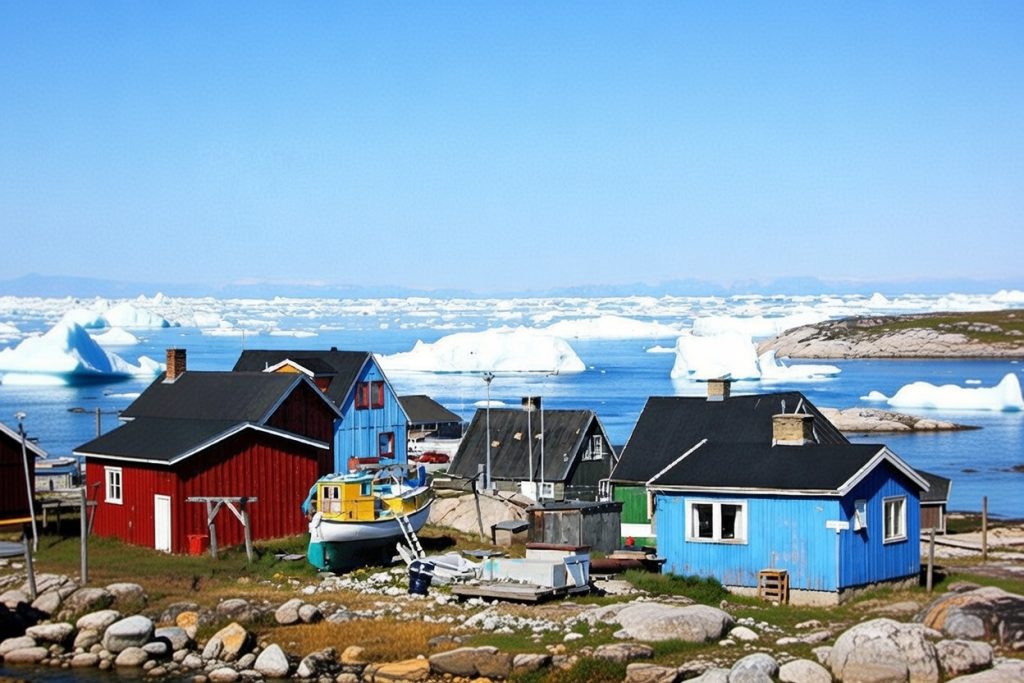
Trump also warned that the world faces greater risks than ever before, pointing specifically to missile threats from Russia and China. He described Greenland as a critical geographic buffer, positioned between major global powers and sitting largely undefended.
“Greenland is vast, almost entirely uninhabited and undeveloped,” he said, stressing its strategic location between the United States, Russia, and China. While acknowledging the presence of rare earth minerals beneath the ice, Trump insisted economics were not the primary motivation.
“That’s not the reason we need it,” he said. “We need it for strategic national security and international security.”
In closing, Trump claimed Greenland is effectively part of North America and therefore a core US interest. “This enormous unsecured island is part of our northern frontier,” he said. “It is a core national security interest of the United States of America.”
For now, force may be ruled out—but Trump’s renewed determination ensures the Greenland debate is far from over.