.
.
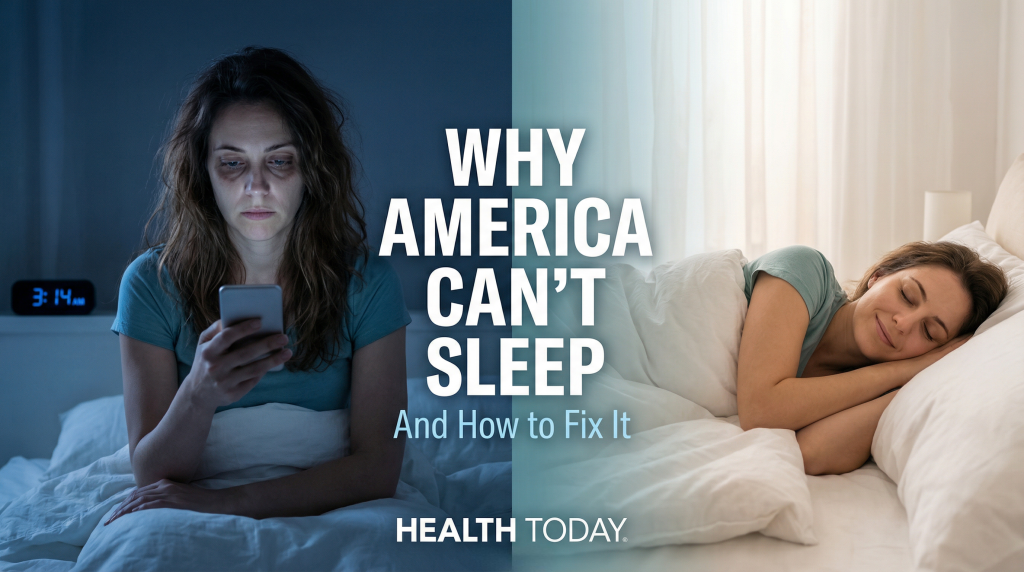
Sleep problems are no longer a small issue in the United States. In 2026, millions of Americans are reporting trouble falling asleep, staying asleep, or waking up exhausted. Doctors now call this a growing public health concern, not just a lifestyle problem. Poor sleep affects mental health, productivity, relationships, and long-term physical well-being.
So why are so many Americans struggling with sleep in 2026? The answer lies in a mix of modern habits, stress, technology, and health changes.
The Rise of Sleep Problems in America
Over the past few years, sleep disorders have increased rapidly. More Americans are working irregular hours, spending excessive time on screens, and dealing with high levels of stress. Remote work, economic pressure, and constant digital connectivity have blurred the boundaries between work and rest.
Many people believe they are sleeping enough, but studies show that sleep quality has dropped significantly—even when sleep duration looks normal.
Major Reasons Americans Can’t Sleep in 2026
- Excessive Screen Time
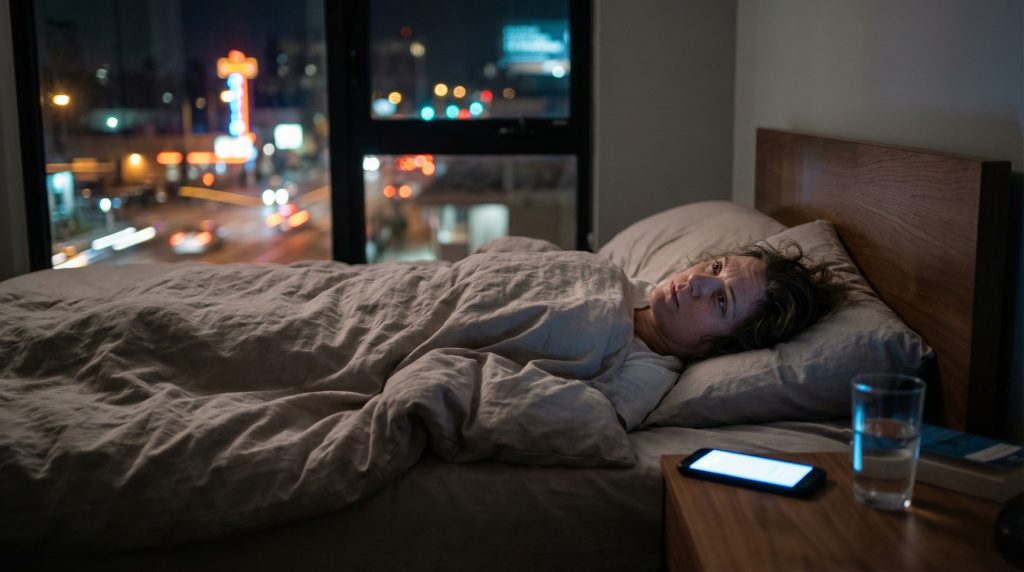
Smartphones, tablets, and laptops expose the brain to blue light, which suppresses melatonin—the hormone responsible for sleep. Late-night scrolling and streaming keep the brain alert when it should be winding down.
- Stress and Anxiety
Financial worries, job insecurity, and social pressure are major sleep disruptors. Anxiety causes racing thoughts, making it difficult to fall asleep or stay asleep throughout the night.
- Poor Sleep Schedules
Irregular bedtimes, night shifts, and weekend sleep changes confuse the body’s internal clock. This leads to insomnia-like symptoms even in healthy individuals.
- Caffeine and Energy Drinks
Coffee, pre-workout supplements, and energy drinks are consumed more than ever. Many Americans underestimate how long caffeine stays active in the body—often up to 8 hours.
- Mental Health Challenges
Depression, burnout, and emotional exhaustion are closely linked to sleep disorders. Sleep problems often worsen mental health, creating a dangerous cycle.
Health Effects of Poor Sleep
.
.
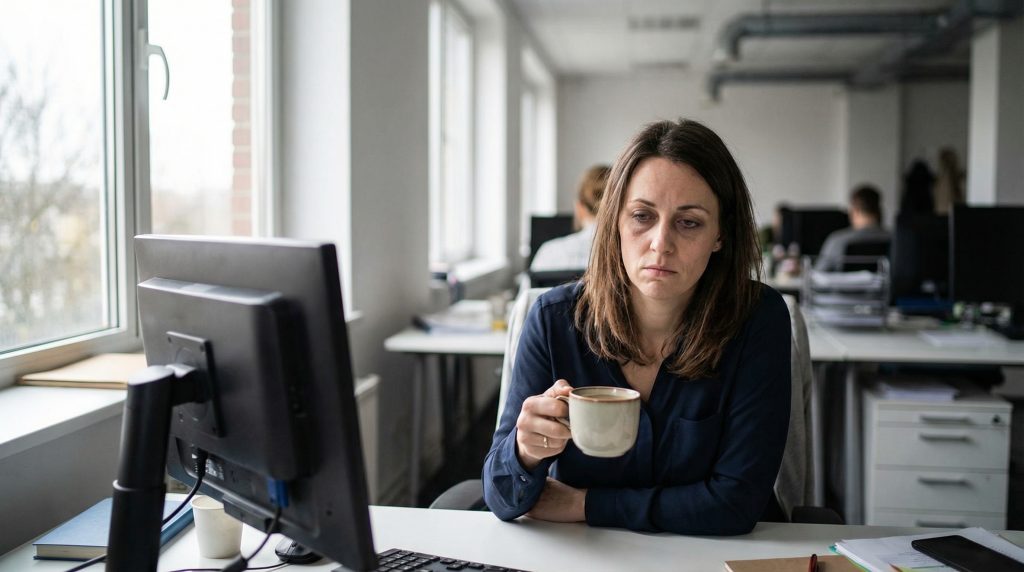
Chronic sleep deprivation doesn’t just cause tiredness. It increases the risk of:
Heart disease
Obesity
Type 2 diabetes
Depression and anxiety
Weak immune system
Memory and concentration problems
Doctors warn that long-term sleep loss can shorten life expectancy if ignored.
.
.
How Americans Can Improve Sleep Naturally
✔️ Create a Consistent Sleep Routine
Going to bed and waking up at the same time every day trains the brain to sleep better.
✔️ Reduce Screen Time Before Bed
Avoid screens at least one hour before bedtime. Use warm lighting and relaxing activities instead.
✔️ Watch Caffeine Intake
Avoid caffeine after early afternoon, especially for people sensitive to stimulants.
✔️ Improve Sleep Environment
A dark, quiet, and cool bedroom significantly improves sleep quality.
✔️ Manage Stress
Meditation, breathing exercises, and light evening walks can help calm the nervous system.
If sleep problems last more than three weeks and affect daily life, medical advice is necessary. Sleep disorders such as insomnia, sleep apnea, or restless leg syndrome often require professional treatment.
Conclusion
In 2026, sleep problems among Americans are no longer rare—they are widespread and serious. Modern lifestyles, stress, and technology are silently stealing rest from millions. The good news is that with small changes and awareness, quality sleep can be restored.
Good sleep is not a luxury. It is a necessity.
.

.
Todays most viral news