
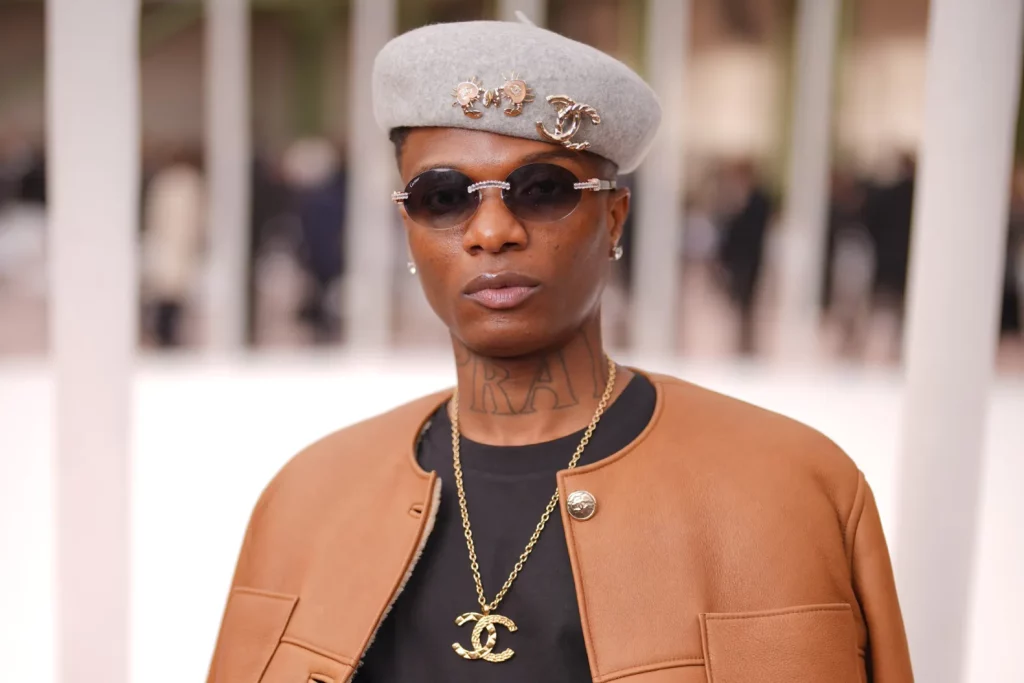
Afrobeat has evolved from a revolutionary sound to a global phenomenon, and few artists embody this evolution like Wizkid, Seun Kuti, and the legendary Fela Kuti. From the political and cultural foundations laid by Fela to the modern global appeal of Wizkid, Afrobeat has become more than music; it’s a movement, a message, and a legacy carried across generations.
Fela Kuti: The Revolutionary Pioneer
Fela Kuti, often called the father of Afrobeat, used music as both art and activism. His politically charged songs, infectious rhythms, and fearless social commentary made him a global icon. Fela’s influence extended beyond Nigeria, inspiring African and international artists to use their platforms for cultural storytelling and social change.
His music wasn’t just entertainment; it was a call to action, a reflection of society, and a blueprint for Afrobeat as a genre deeply intertwined with identity, culture, and resistance. The stage he set became a foundation for the artists who followed, including his son, Seun Kuti.
Seun Kuti: Carrying the Torch
Seun Kuti, Fela’s youngest son, has dedicated his career to continuing his father’s legacy. Leading Egypt 80, Fela’s legendary band, Seun merges the classic Afrobeat sound with contemporary influences while keeping the political and cultural edge intact.
Through live performances and activism, Seun ensures that Afrobeat remains rooted in social consciousness, reminding audiences that the genre’s power goes beyond catchy rhythms, it is also a platform for awareness, dialogue, and change.
Wizkid: Afrobeat for a Global Audience
While Seun Kuti carries the traditional and political aspects of Afrobeat, Wizkid has propelled the genre onto the global stage. His collaborations with international artists like Drake (One Dance), Beyoncé (Brown Skin Girl), and others have exposed millions to Afrobeat’s infectious rhythms.
Wizkid’s approach is less overtly political than Fela’s or Seun’s, but he honors the genre’s roots by infusing Afrobeat instrumentation, lyrical nods, and cultural pride into his music. By doing so, he bridges the gap between African audiences and global pop culture, showing that Afrobeat can thrive commercially while maintaining its identity.
A Legacy Across Generations
The connection between Fela, Seun, and Wizkid highlights the remarkable evolution of Afrobeat over the past several decades. Fela Kuti not only established the genre’s signature rhythms and melodies but also embedded it with a powerful ethos, one of resistance, cultural pride, and social consciousness. His music was a voice for the people, a platform for challenging authority, and a blueprint for African creativity that was unapologetically bold.
Seun Kuti, inheriting this legacy, has remained fiercely committed to preserving both the musical complexity and the political integrity of Afrobeat. Through his work with Egypt 80, he continues to bring the same energy, passion, and message that his father championed, ensuring that the genre’s roots remain deeply intertwined with social commentary and cultural expression.
Wizkid, on the other hand, represents the modern evolution of Afrobeat, showing that the genre can resonate on a global scale without losing its African identity. By collaborating with international artists and blending Afrobeat with pop, R&B, and hip-hop influences, Wizkid has amplified its reach, introducing millions of new listeners to the sounds and stories of Africa.
Together, these three artists demonstrate that Afrobeat is not only timeless and adaptable but also capable of inspiring a range of responses, from cultural pride and political awareness to pure celebration and entertainment.
This generational link also illustrates that a legacy is never fixed or confined to the past. It is nurtured, reinterpreted, and shared in ways that reflect contemporary contexts while honoring the original vision.
Why It Matters Today
In a world increasingly shaped by globalization and digital platforms, Afrobeat stands as a testament to African creativity and cultural influence. The genre’s growth across continents, fueled by artists like Wizkid and Seun Kuti, keeps Fela’s message alive, reminding new audiences of music’s power to entertain, educate, and inspire.
Afrobeat’s journey across generations proves that culture and innovation can coexist, creating a lasting impact that transcends borders and generations.
Fela Kuti remains a legend whose revolutionary spirit and musical genius continue to inspire generations. Seun Kuti carries the torch, honoring his father’s message while keeping Afrobeat politically and culturally conscious. Wizkid, meanwhile, is bringing the sound to a global audience, showing that African music can dominate international charts while staying rooted in identity and heritage. Together, their journeys are united by a single vision: to elevate the Motherland, celebrate its culture, and ensure that Africa’s music, creativity, and stories reach every corner of the world.