

The gusset in women’s underwear is a small yet essential design feature that often goes unnoticed and is widely misunderstood. Frequently mistaken for a pocket or decorative detail, the gusset is actually a functional panel designed to support comfort, hygiene, and overall vaginal health. Found in most everyday underwear styles, this subtle addition plays a critical role in protecting sensitive skin, improving breathability, and reducing irritation caused by friction and moisture. Understanding the purpose of the gusset in women’s underwear helps consumers make more informed choices about intimate wear that prioritizes both wellness and long-term comfort.
What Is a Gusset?
A gusset is the extra piece of fabric inserted into the crotch area of women’s underwear. It is usually made from soft, breathable materials such as cotton and is sometimes layered or stitched differently from the rest of the garment. Its placement and fabric choice are intentional, designed to support the body where it needs it most.

Why the Gusset Matters
The primary function of the gusset is to promote vaginal health and comfort. This area of the body is particularly sensitive and requires airflow to maintain a healthy balance. Breathable fabrics help absorb moisture and reduce heat buildup, creating an environment that is less hospitable to bacteria and yeast.
Additionally, the gusset acts as a protective barrier between the skin and the underwear’s seams. Without it, rough stitching or synthetic fabrics could rub directly against sensitive skin, leading to irritation, chafing, or discomfort during daily movement.
Hygiene and Practical Benefits
Beyond comfort, gussets also support hygiene. By absorbing light moisture and discharge, they help keep outer clothing cleaner and extend the life of underwear. This is one reason many underwear designs allow the gusset to be unstitched at the sides during manufacturing; it makes sewing cleaner and more efficient while maintaining comfort for the wearer.
In everyday wear, especially for people who are active or spend long hours sitting or moving, this small design feature can make a noticeable difference in how underwear feels throughout the day.
Fashion vs. Function
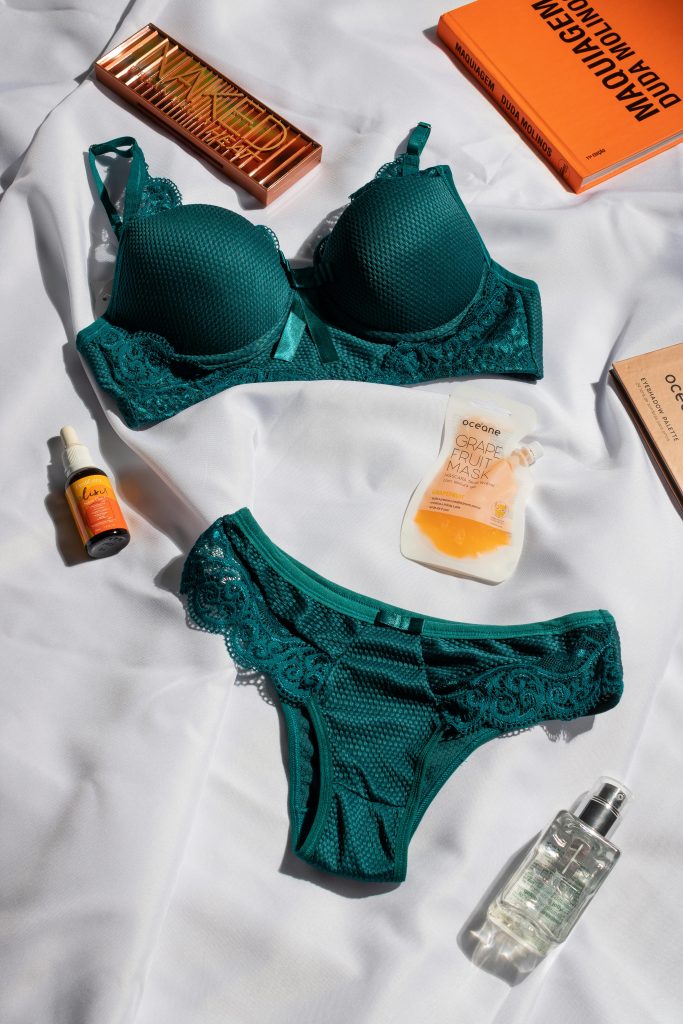
While most daily underwear includes a gusset, some lingerie or decorative designs may leave it out. In these cases, visual appeal often takes priority over functionality. Although such pieces may be suitable for short-term wear, they are generally not ideal for extended use due to reduced breathability and comfort. This contrast highlights the ongoing balance designers navigate between style and practicality. As consumer awareness grows, many brands are now prioritizing designs that offer both aesthetic appeal and health-conscious construction.
How Fabric Choice Affects the Effectiveness of the Gusset
The effectiveness of the gusset in women’s underwear largely depends on the type of fabric used. Because the gusset sits against one of the most sensitive areas of the body, breathable and skin-friendly materials are essential. Cotton is the most commonly recommended fabric for gussets due to its natural ability to absorb moisture and allow airflow. This helps reduce heat buildup and creates an environment that is less likely to encourage bacterial or yeast growth.
Some modern underwear designs incorporate moisture-wicking or antimicrobial fabrics in the gusset to enhance performance.
A Small Detail with a Big Impact
The gusset may be subtle, but its impact is significant. It reflects thoughtful design that considers the body’s natural needs rather than focusing solely on appearance. In a world where fashion and wellness increasingly intersect, this small panel is a reminder that the best designs often work quietly in the background.
Ultimately, the inclusion of a gusset in women’s underwear underscores an important truth: when it comes to clothing, especially intimate wear comfort and health are not luxuries, but essentials.