Six people survived the crash, clinging to the tail section in an icy river. A helicopter lowered a lifeline to them, one rescue at a time. And five times, the same man in the water took that line — and passed it to somebody else. When the helicopter came back for him the sixth time, he was gone.
On January 13, 1982, Air Florida Flight 90 crashed into the Potomac River in Washington, D.C. Of everyone aboard, six people survived the impact, holding on in freezing water as a U.S. Park Police helicopter worked the rescue. The lifeline could only carry one person at a time — which meant every pass of that line was a decision: me, or them?
One man decided “them” five times in a row.
The identification took 18 months — and the evidence was his death
Here is the part of this story told honestly, because he deserves it told right. The man in the water was not identified that day. It took about 18 months before investigators could put a name to the rescuer — and the evidence was this: he was the only one of the 78 victims who drowned. Everyone else died on impact. The man who kept passing the line had stayed in the water long enough to give his turns away — and he was the only victim whose death matched that story.
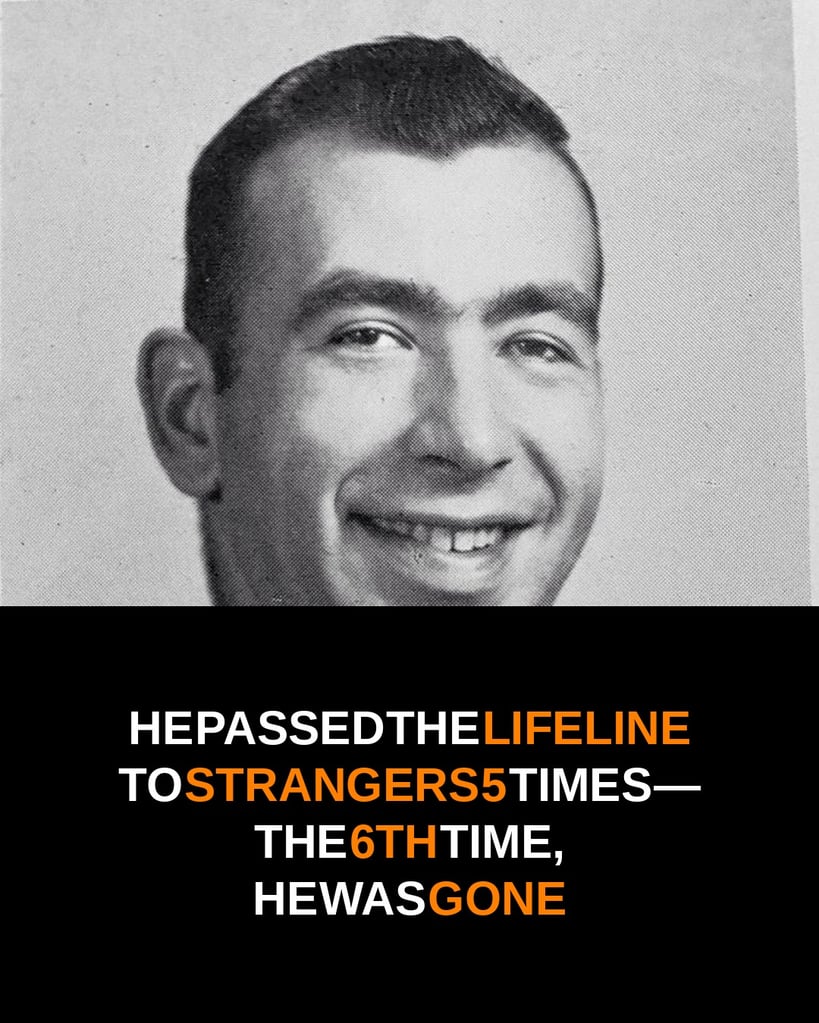
His name was Arland D. Williams Jr. He was 46 years old, a Federal Reserve bank examiner. Not a soldier, not a rescue worker — a man in the water who understood, faster than anyone should have to, exactly what each pass of that line cost.

The honors that followed
In June 1983, President Reagan presented Williams’s posthumous Coast Guard Gold Lifesaving Medal to his children. And today, a span of the 14th Street Bridge — the bridge at the scene of that January day — bears his name, so that the crossing where he spent his last minutes giving away his own rescue carries the name of the man who did it.
Medals and bridge names are how a country files a debt it knows it can’t repay. Five passes of a lifeline don’t fit on a plaque. But they fit in a name on a bridge that thousands cross without knowing — and now, if you’ve read this far, you know.
Join the conversation
Five times he held the line in his hands — and five times he handed it to a stranger. Could you have passed it even ONCE, honestly? And should his name be taught alongside the famous heroes in every school? Tell us below.
Source note: The Air Florida Flight 90 account — the January 13, 1982 crash into the Potomac River in Washington, D.C.; the six impact survivors clinging to the tail section; the U.S. Park Police helicopter’s lifeline being passed five times by one man in the water, who was gone when it returned a sixth time; that he was the only one of the 78 victims who drowned, everyone else having died on impact; his identification about 18 months later on the strength of that evidence as Arland D. Williams Jr., 46, a Federal Reserve bank examiner; President Reagan’s presentation of his posthumous Coast Guard Gold Lifesaving Medal to his children in June 1983; and the span of the 14th Street Bridge bearing his name — is from Washington Post and Gannett retrospectives on Flight 90.
Tell us in the comments below - we read every single one, and the best takes get featured.