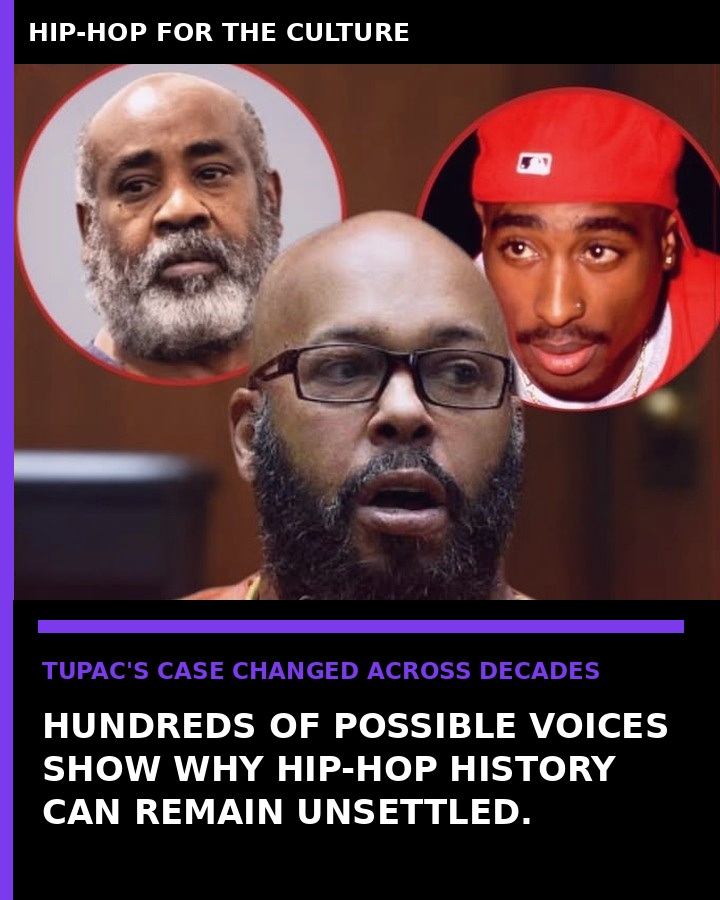
For decades, public accounts of Tupac Shakur’s death have existed alongside an official investigation. Interviews, memories and theories reach audiences at different times, sometimes creating the impression of a settled story where important questions remain.
History in public view
Tupac’s music and influence make the case more than a legal headline for many listeners. People who did not know him personally still feel connected to the loss. That emotional stake helps explain why each new account receives close attention.
It also calls for care. A firsthand memory, an allegation and a finding supported by evidence are different things. Keeping those distinctions clear respects both the people involved and readers trying to understand the history.
Join the conversation
How should hip-hop media cover unresolved events from its past? Share your thoughts in the comments.