Critical Content | Reported October 23, 2026
A tree covered in round, dark fruit from trunk to branch can look like an internet trick photograph. But jabuticaba, also spelled jaboticaba, is a real Brazilian fruit tree that produces flowers and grape-like fruit directly on its woody stems.
The species Plinia cauliflora is described by North Carolina State University’s Extension Gardener Plant Toolbox and the University of Florida’s IFAS Gardening Solutions. This is an evergreen botanical explainer inspired by an unusual-tree topic in our story backlog, not a claim about a newly discovered tree in October 2026.
The botany behind the strange look
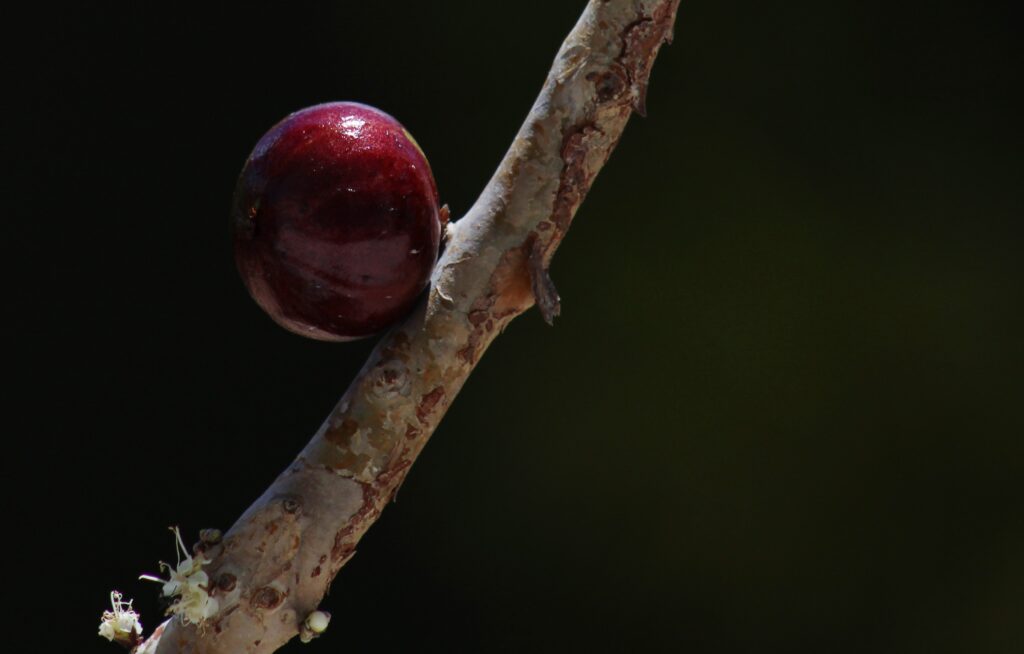
The growth pattern is called cauliflory. Rather than displaying all flowers at the tips of younger branches, the tree produces clusters of flowers on the trunk and older branches. Fruits develop in those same positions.
That is why a heavily fruiting jabuticaba can look so unusual in pictures. The fruit is not a disease, a collection of insects or something artificially fastened to the bark.
What the fruit is actually like
University of Florida horticulture guidance describes jabuticaba as a slow-growing evergreen with round, grape-like edible fruit. The berries have dark skins and sweet, pale flesh and can be eaten fresh or used in processed foods.
The plant is grown in warm conditions and benefits from suitable moisture and soil. It is not reliably cold-hardy, so growing advice for one region should not be mistaken for a promise that it will flourish outdoors everywhere.
Sorting botany from social-media hype
Viral posts can attach exaggerated medical benefits or alarmist explanations to unusual-looking plants. The two university sources establish the tree’s identity and how it fruits; they do not support claims that its fruit cures diseases.
The factual story is compelling enough: jabuticaba is a striking example of the range of strategies flowering plants use to reproduce, and its appearance is exactly what makes it so shareable.
Sources and further reading
- NC State Extension Gardener Plant Toolbox, Plinia cauliflora
- University of Florida IFAS Gardening Solutions, Jaboticaba
Featured photograph depicts jabuticaba fruit on its tree. Photo by Boaventuravinicius, via Wikimedia Commons, licensed CC BY-SA 4.0. WordPress may resize for display; no material alterations intended.